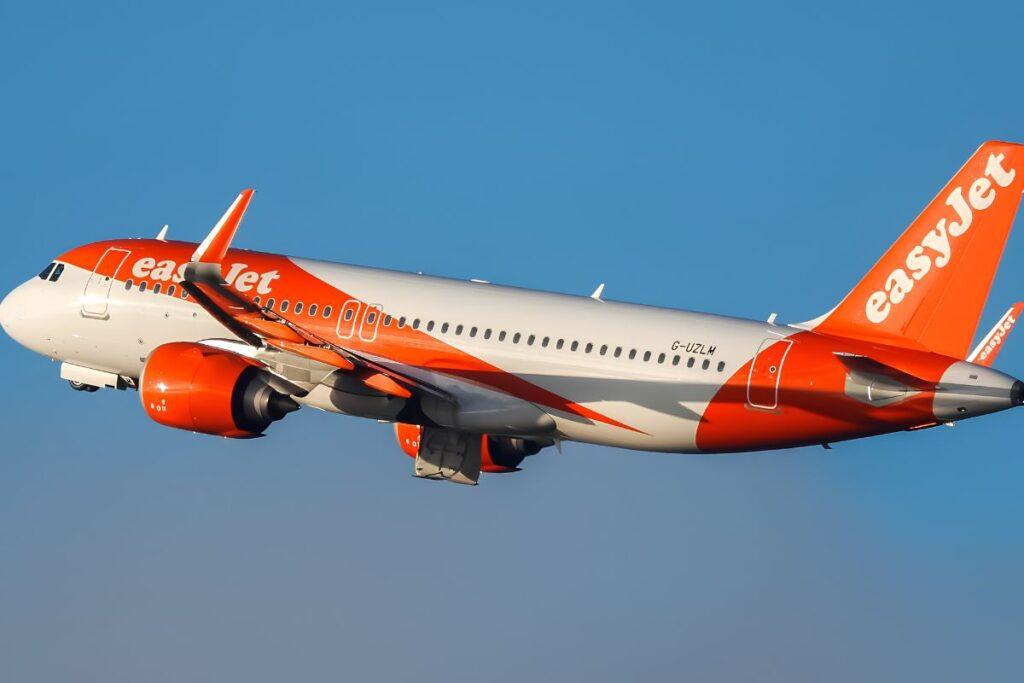
Monday morning, 17 August 2026, the EZY861 aircraft, an easyJet Airbus A319 flying its usual route from London Gatwick to Glasgow, squawked 7700. That’s the code every air traffic controller in Europe is trained to treat the same way, no matter the country or the airline. Within minutes, paramedics were already standing by on the tarmac at Glasgow Airport. There was no engine trouble, no bad weather. A passenger onboard needed urgent medical help, and that alone was enough to set the whole system in motion.
Most of the coverage stopped right there: emergency declared, priority landing, flight lands safely. Fair enough, but it skips the more interesting part: what actually happens in those few minutes, and why the system worked as smoothly as it did.
What Squawk 7700 Actually Triggers
Punching in 7700 isn’t a single alert; it kicks off a chain of standard responses that most passengers never think about:
- It flags a general emergency, whether the cause is medical, mechanical, or something else entirely
- Air traffic control clears the aircraft’s path, moving it ahead of everything else in the queue
- Fire crews, medics, and rescue teams start mobilising on the ground before the plane is even on final approach
In this case, the cause was entirely human. easyJet later confirmed that the crew had requested priority landing specifically because a passenger needed urgent medical attention, and paramedics were waiting the moment the aircraft touched down.
On Approach to Glasgow, Not Mid-Cruise
There’s a detail worth getting right here: the 7700 code wasn’t entered somewhere over open sky mid-flight. Reporting indicates the pilots squawked it roughly five minutes before landing, as the aircraft was already on approach into Glasgow, not earlier in the cruise phase over northern England or southern Scotland, as some early accounts implied. That timing matters, because it means the crew had very little runway, literally and figuratively, to act, which makes the coordination that followed even more notable.
Cabin crew responded fast; first aid began immediately, the cockpit was informed, and the approach was managed to get the aircraft down as quickly as safety allowed.
Roughly, here’s how it likely unfolded onboard:
- A passenger went through a serious medical episode — the exact nature (cardiac, respiratory, neurological) hasn’t been made public, understandably
- Crew reached for the onboard medical kit, and may well have been in contact with a ground-based doctor over radio, which many airlines now offer as standard
- The pilots declared the emergency, coordinated with Glasgow Approach, and shaped the descent to get down quickly without cutting corners on safety
- Paramedics were already positioned at the gate before the wheels touched down
None of this is unusual, even if it sounds dramatic from the outside. Crews train for exactly this. The system did what it’s built to do.
Also read: EasyJet to End All Flights From Leeds Bradford Airport in January 2027
Why This Story Deserves a Second Look
Most headlines ended at “flight declares emergency,” which honestly undersells it. The more interesting story is how modern aviation handles a medical crisis in the final minutes of a flight with preparation and coordination that’s easy to take for granted until you actually need it.
A few things worth knowing that rarely make it into the coverage:
- In-flight medical emergencies aren’t rare — estimates put them at roughly one in every 600 to 700 flights
- Cabin crew are trained well beyond basic first aid: CPR, oxygen therapy, using an epinephrine auto-injector, even assisting with childbirth if it comes to that
- A priority landing is a controlled, deliberate procedure, not a crash landing — it happens routinely at airports around the world, more often than most travellers realise
By the time this flight landed, the passenger had professional medical care within minutes. No diversion needed, no chaos in the cabin, just a system doing exactly what it was designed to do.
The Quieter Shift in Air Travel Safety
Cases like EZY861 are a reminder that aviation safety today isn’t only about avoiding mechanical failure; it’s just as much about protecting the people on board in real time. Defibrillators tucked into galley cabinets, live telemedicine links to hospitals on the ground these things have quietly turned what used to be a genuine crisis into something crews now handle as a matter of routine.
easyJet’s statement that “the safety and wellbeing of our customers and crew is always easyJet’s highest priority” reads, in this case, less like a corporate line and more like a description of what actually happened.
The Real Hero Wasn’t the Pilot; It Was the System
The flight crew handled it well, no question. But credit really belongs to the whole chain: cabin crew who knew exactly what to do, controllers who cleared the path instantly, paramedics who were already in position, and an airline culture that treats a passenger’s health as more important than staying on schedule.
Next time you’re on a flight and hear that calm voice come over the intercom, it’s worth remembering that person has rehearsed for exactly this moment. And if you ever hear the words “squawk 7700,” it isn’t a sign that something’s gone wrong. It’s proof the system is doing precisely what it’s supposed to.
FAQs
Q. What does squawk 7700 mean?
A. It’s the international transponder code pilots use to tell air traffic control they’re dealing with a general emergency medical, mechanical, or otherwise and need to be prioritised immediately.
Q. Was the EZY861 aircraft ever in mechanical danger?
A. No. The emergency was medical, tied to a passenger’s condition, not the aircraft itself. The plane landed normally at Glasgow.
Q. How common are in-flight medical emergencies?
A. More common than most people assume; estimates put the rate at roughly 1 in every 600 to 1,000 commercial flights.
Q. Did the flight divert or land somewhere unplanned?
A. No diversion was needed. The aircraft continued to Glasgow as scheduled, just with priority handling on approach.
Q. Is declaring an emergency this close to landing normal?
A. Yes. Crews are trained to declare early rather than wait, since it gives ground teams, paramedics especially, the maximum possible time to prepare before the aircraft arrives.
Sources & Citations
- The Gazette — “London to Glasgow easyJet flight declares midair emergency“
- STV News — “Glasgow-bound easyJet flight from London declares mid-air medical emergency“
- AOL — “London easyJet flight declares mid-air emergency after incident on board“
- The Standard — “EasyJet flight emergency incident London Glasgow“
- easyJet Official Flight Tracker — Flight EZY861 (London Gatwick to Glasgow)
Note: Passenger medical details remain confidential under privacy laws. This account is based on official statements, aviation protocols, and standard industry practices.