

When it comes to business travel, it can be a nightmare. It takes a lot more work to make it through an even brief business trip between airports, meetings, flights, weather, and so much more. Most people focus on the trip but there’s so much that goes into making it a great experience that is often overlooked.
Packing smartly with good equipment and bags can make a huge difference; reducing hassle and always having the right tool and belongings to hand. During business travel, a good luggage set can help to reduce stress and make it easier to navigate by offering a range of convenient, portable storage solutions.
Start With the Right Travel Gear
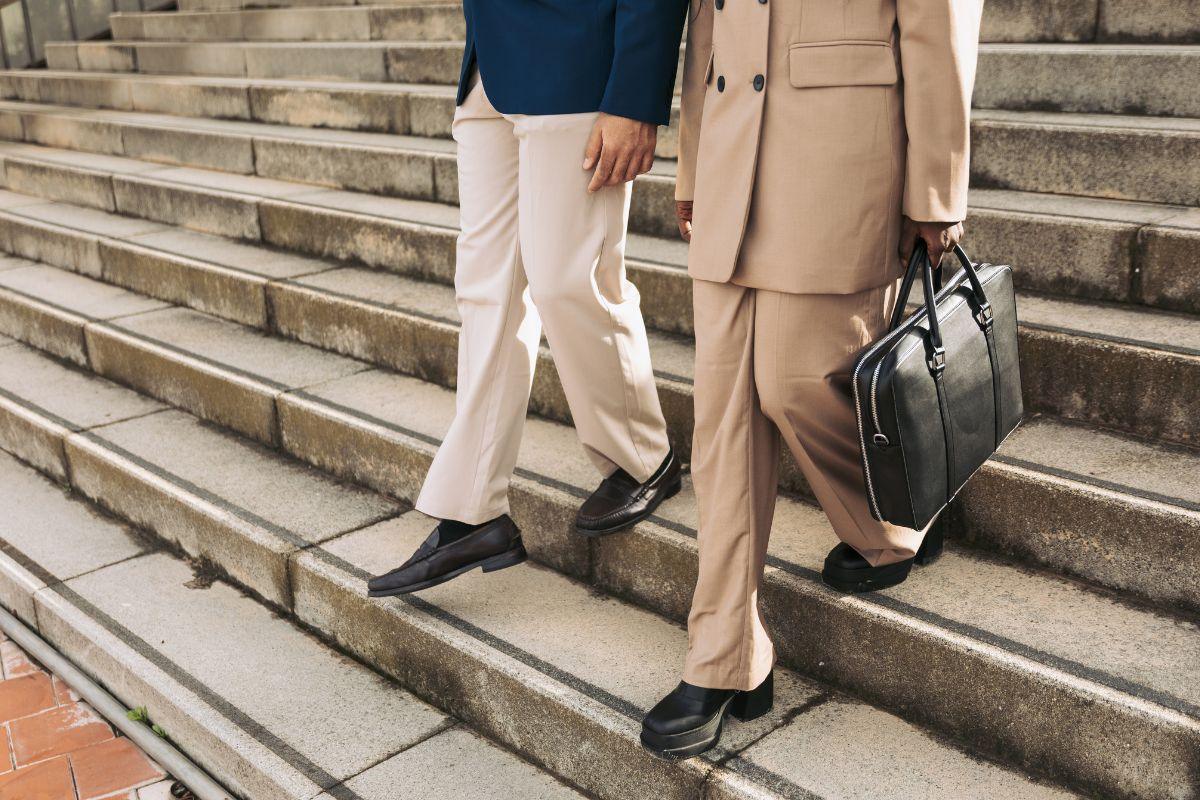
A very basic rule of making business travel more efficient is selecting luggage with the specific requirements of business travel in mind. A compact underseat cabin bag can be useful when carrying a small amount of clothing and personal essentials, particularly for short business trips. It may also be used to access items conveniently while on the flight, it comes under the seat on suitable flights.
For professionals who need to carry technology, documents, and everyday essentials, a laptop backpack can offer another practical solution. A well-thought-out backpack can contain everything from your laptop, its charger, a notebook, your headphones and much more.
The important thing is to not just collect multiple bags to travel with, but rather to find pieces that complement each other and serve their purpose.
Pack According to the Schedule
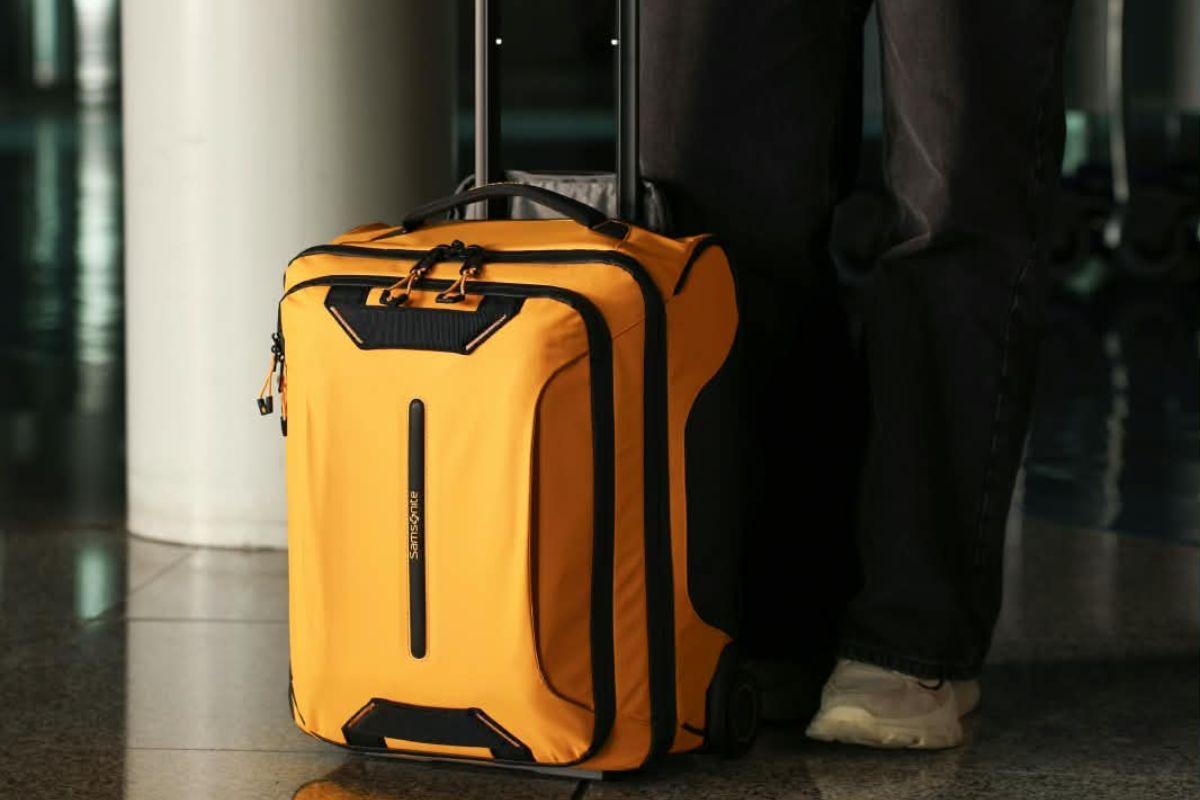
Efficient packing begins before you put anything in a bag and before you start looking at the number of days you will be gone. To ensure nothing is forgotten you should look at your schedule for the trip.
For instance, if you have a meeting on a two-day business trip that includes a lot of formalwear, you might want to think about the difference in clothing needs compared to a three-day business trip that includes a lot of informal sightseeing and meetings.
A useful approach is to divide belongings into categories:
- Work essentials, such as laptops, documents, chargers, and stationery
- Clothing is appropriate for meetings and travel
- Personal-care items
- Travel documents and identification
- Small items needed during transit
It will be easier and faster to get to the most used items if they are in familiar places. It also helps to eliminate unnecessary luggage.
Keep Important Items Accessible
Not everything needs to be tucked away at the bottom of the bag. Things that are needed during the trip should be kept within easy reach.
Maps, travel documents, identification, cell phones and chargers, music devices, medications, and other items important to the traveler should each have a home. It comes in handy at the airport when things need to be produced for inspection more than once.
It also makes getting ready for that meeting upon arrival much easier. Instead of digging through all the bags and clothing, they can just grab what they need right off the luggage.
Protect Your Technology
Technology has become an integral part of the modern business travel experience. One could say that almost every traveler these days is carrying something valuable in his or her bag whether it be a laptop or other computer bags, tablets, cell phones, flash drives or even chargers.
A padded pocket is also essential to keep technology safe from scratches that could occur from sharp objects.
It is best to avoid putting heavy objects on top of fragile items and electronics as much as possible while on a trip to prevent unnecessary damage as well.
Though perhaps simple, organizing your charging cords is a great idea so that they will not be lost while traveling and that the cords are not tangled together.
Lastly, it is vital to back up digital files onto a separate storage device of some sort in case the data is lost somehow.
Travelers can rely on protective technological gear to keep their devices safe from damage caused by common accidents.
Choose Durability Over Convenience Alone
While it’s preferable to have something light, the overall weight should not be a priority. When spending your hard-earned money on business, nobody wants to invest in an item that will wear out quickly
At airports, being handled, loaded, unloaded, rolled along busy sidewalks, and haphazardly stored add up to a stressful existence for a suitcase. The same goes for durability features on zippers, handles, reinforced wheels, and materials. All of this adds up to how long the owner will get to keep the wheelchair. Features like heavy-duty zippers, wheels, handles, and materials can prolong the life of a wheelchair.
The designers are seeking to balance these two factors by combining the lowest possible weight with enhanced thickness, capacity, and comfort. A bag that is a bit heavier, but much more reliable, might be more useful than an extremely light bag that has problems getting the job done at regular intervals.
Build a Consistent Packing System

The same step-by-step packing process can be utilized before each business trip and save time. Instead of developing a new checklist every time, make a simple checklist of the most common items needed.
This might include:
- Laptop and charger
- Phone charger or power bank
- Business cards
- Identification and travel documents
- Appropriate clothing
- Toiletries
- Headphones
- Adapters where required
Once you have a list established, packing becomes less about what you remember and more about following a system. Using that same system can also help if you begin to suspect you’ve left something behind
Things like packing cubes or smaller organisation bags help separate clothing and other items, allowing you to get what you need without digging through your entire bag.
Plan for Movement, Not Just Storage
Good travel gear should be able to function outside of the airport. Business travellers can take walks in train stations, navigate overcrowded city streets, take public transport or simply walk from a hotel to a meeting.
Comfort and mobility should be considered as well as storage capacity for this reason. Space may be a plus, but if the bag is cumbersome to carry or move around, then it is not a plus.
Weight distribution also is important. Generally heavier items should be placed so that they won’t make a backpack uncomfortable or cause a wheeled suitcase to become unstable.
Prepare for Unexpected Changes
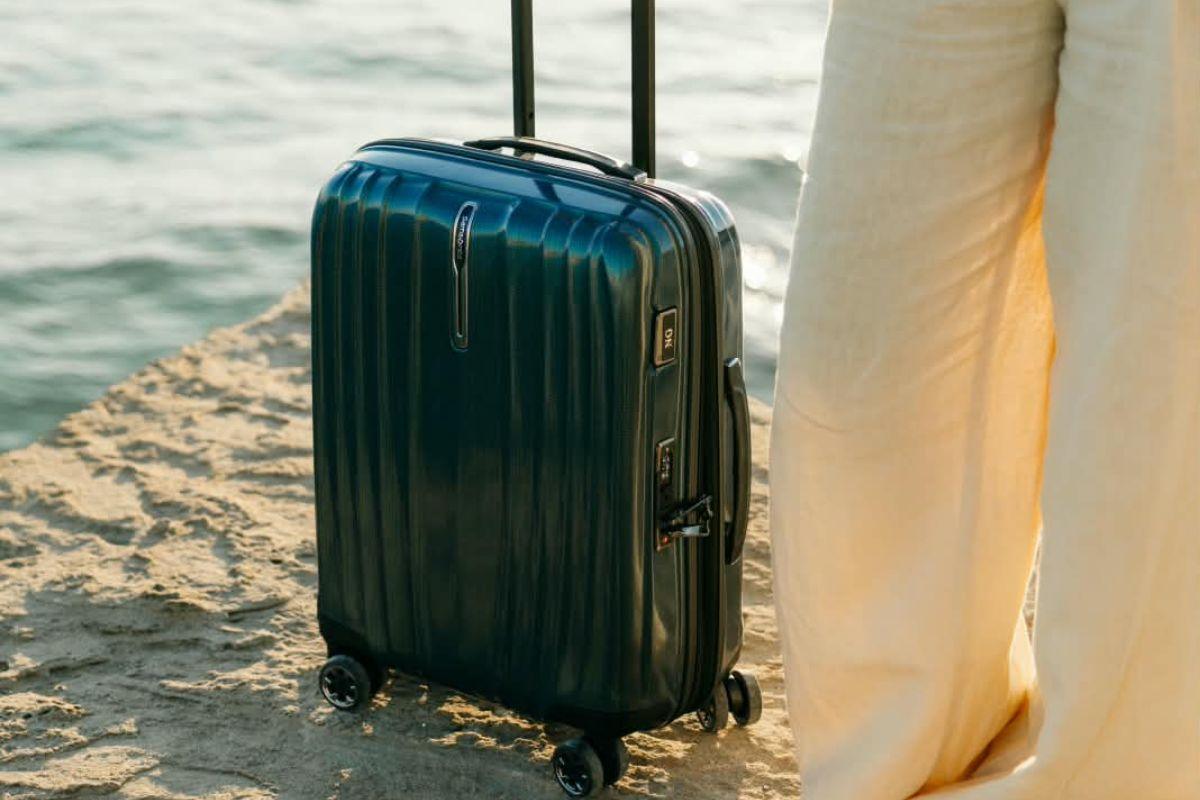
Sometimes business trips go awry, but you can still get through them relatively unscathed. Flights are delayed, meetings end up running late, and it rains when you don’t anticipate it.
You can avoid many of these issues by preparing ahead of time, bringing along a couple of extra layers, and making sure your electronics are charged.
It’s also best to leave some room in your suitcase or bag in case you need to pick up any extra items on your return trip and not pack it to the brim with clothes or other items.
Make Travel Simpler Through Better Habits
When it comes to business travel, it’s not always about a single product or packing technique. Typically, a combination of minor choices. Reliable equipment and proper organisation of items, the protection of technology, and packing gear according to plans can help minimise friction.
The ideal travel kit is one that lets the professionals get on with their trip without having to deal with things every time. If you have reliable suitcases and have a logical location for all things, it is easier to move from one place to another.
At the end of the day, the only way to have a reliable trip is to pack smartly and not a lot. Even the most challenging business trips can be made more organised, comfortable and efficient with the proper preparation and with a solid system.