
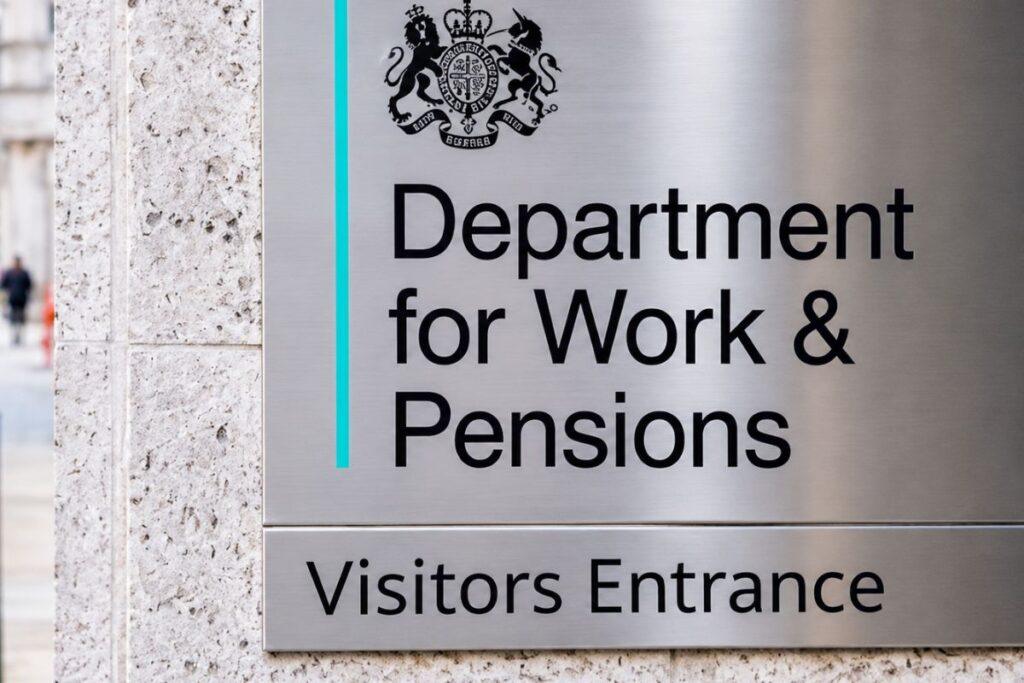
The DWP is running a limited live test of a machine learning model. It helps staff pick which Universal Credit claims are sent for a benefit review. The tool behind the DWP Targeted Case Reviews AI trial does not decide entitlement, suspend payments or close claims. A human still makes each call.
That is the official line, but the worry is what sits underneath it. The same department has used a model before that flagged some groups far more often than others.
- A “limited live test” of a machine learning model is now running inside the Targeted Case Review (TCR) programme.
- TCR reassesses more than one million Universal Credit claims a year.
- Only 21% of completed reviews have found anything wrong with a claim.
- The programme is aiming for £13.6 billion in savings by March 2030.
- The criteria used to flag a claim will stay secret.
- An earlier DWP model showed bias linked to age, disability, marital status and nationality.
What the DWP Targeted Case Reviews AI Trial Involves
TCR began in 2022. Its job is to find incorrect Universal Credit payments, both overpayments and underpayments. The Independent first reported that a machine learning model is now being tested to help choose which claims get pulled in.
Dame Sarah Healey, the department’s permanent secretary, set this out in a letter to Parliament’s Public Accounts Committee. She described a “limited live test” of the model to support agents in deciding which cases to target for review. She stressed that “human consideration remains central” to the process, insisting the model does not make decisions on whether a review proceeds, benefit entitlement, payment changes, suspensions, or claim closures.
Giving evidence to peers, she explained the thinking. “Broadly, we will use technology whenever reliable technology is available for us to do this,” she said, in remarks covered by Birmingham Live. She also warned that “technology can make mistakes, and some of these technologies are as yet untested on this kind of application.”
The 21% Problem
The hit rate is the sore point. Management information published by the DWP shows TCR completed 1,149,940 reviews by the end of 2024-25. Of those, 243,600 claims had something wrong with them. That is 21%.
The rate is also falling: 32% in 2022-23, then 24%, then 20% in 2024-25. Work by the Administrative Fairness Lab warned that hundreds of thousands of people go through the process unnecessarily, often more than once, only months apart. Their research links this to “feelings of criminalisation” and rising anxiety.
Mark Bennett, a law lecturer at the University of Liverpool and part of that team, called the move a “potential step change” that “comes with clear risks”. He said, “The use of machine learning as a fraud and error prevention tool in other areas of the welfare system was previously found to have shown bias in selecting people on the basis of age, disability, marital status, and nationality when identifying claims to investigate for possible fraud.
“There are serious questions to be asked, therefore, about the reliability of data used within the machine learning model and how, in using such technology, the DWP might avoid repeating previous mistakes.”
What the Earlier Model Did
He means the Universal Credit Advances model, which he has lived with since May 2022. The National Audit Office found it has saved about £4.4 million and is roughly three times better than a random sample at spotting fraud risk. It also found claimants aged 45 and over and non-UK nationals were over-referred for review.
Big Brother Watch went further in its report Suspicion by Design. The group says about a million people were profiled by that model in a single year and that the department fought in court to keep details of its data risks out of public view.
Its lead author, Jake Hurfurt, said, “It is wrong to subject millions of innocent people to shadowy automated or algorithmic decisions and refuse to explain how these work.” More than two million Universal Credit recipients are expected to be reviewed by the end of this decade.
The Secrecy Question
Healey confirmed that specific criteria to flag cases and other features of the model must remain confidential to protect the “integrity of the benefit system”. The logic is simple. Publish the rules and organised fraudsters work around them.
Critics accept the risk but not the blanket. If nobody outside can see the inputs, nobody can test whether the model is fair. There is a quieter danger as well. A busy caseworker who ignores a flag carries a risk if fraud later surfaces. Pursuing an innocent claimant carries almost none. Over time, the human check can soften into a rubber stamp.
The Money and the Politics
The numbers explain why ministers keep pushing. As per AF.NET, TCR has booked £1,168 million in savings across its first three years, with 5,930 reviewing agents in place by March 2025. A DWP spokesperson said, “Our targeted case review programme has already saved the taxpayer £1.7 billion by blocking incorrect Universal Credit payments, and we continue to test, develop and invest in advanced analytics.
“Decisions on cases selected for targeted case review will always be made by a DWP member of staff and we are committed to supporting all customers, especially those with vulnerabilities, throughout the review process.”
Overpayments still reached £9.9 billion in 2025-26, or 3.2% of benefit spending, with Universal Credit making up £6.7 billion of that. The department wants the rate down to 2.8% by 2028-29.
MPs are not satisfied. The Civil Service World covered the Public Accounts Committee’s finding that official error caused £1.0 billion of overpayments and £1.2 billion of underpayments in 2024-25. Its chair, Sir Geoffrey Clifton-Brown, said the department “has not yet taken a proper look in the mirror to address official error rather than focusing entirely on claimants”. DWP rejected the call for a tougher target, calling 2.8% a “remarkable achievement”.
What to Watch Next
Three things will tell us whether this works. First, whether the 21% hit rate climbs once the model is doing the picking. Second, whether fairness testing is published or challenged under the Equality Act 2010 and data protection law.
Third, whether the same energy goes into helping people claim what they are owed. Research by the data firm SAS found that 96% of public sector decision makers believe fraud has damaged trust in their organisation. Wrongly chasing innocent claimants damages it too.
Healey has said the department would “consider alternative options” if the model fails to deliver as expected.
FAQs
Q. Is the DWP using AI to decide my Universal Credit claim?
A. No. The model only helps staff choose which claims are reviewed. Entitlement, payment changes, suspensions and claim closures are all decided by a DWP member of staff.
Q. What is a Targeted Case Review?
A. It is a full check of your Universal Credit claim details, run since 2022. You may be asked for documents and evidence. It can find underpayments as well as overpayments.
Q. How many people are picked for a review?
A. More than a million claims a year are reassessed. Over two million Universal Credit recipients are expected to be reviewed by the end of the decade.
Q. Does being reviewed mean I am suspected of fraud?
A. Not necessarily. Only 21% of reviews find any incorrectness, and that includes simple errors and underpayments. Most people reviewed have done nothing wrong.
Q. Why will the DWP not explain how the AI picks claims?
A. The department says publishing the criteria would let people game the system. Campaigners argue the secrecy blocks any independent check for bias.
Q. What should I do if I am selected for a review?
A. Reply within the deadline and send the evidence requested. Keep copies of everything. Tell the DWP if you need extra support or more time.
Sources & References:
- Independent – A machine learning model is now being tested to help choose which claims get pulled in.
- AF.NET – TCR has booked £1,168 million in savings across its first three years, with 5,930 reviewing agents in place by March 2025.
- BirminghamLive – Dame Sarah Healey said, “Broadly, we will use technology whenever reliable technology is available for us to do this”.
- CSW – Official error caused £1.0 billion of overpayments and £1.2 billion of underpayments in 2024-25.