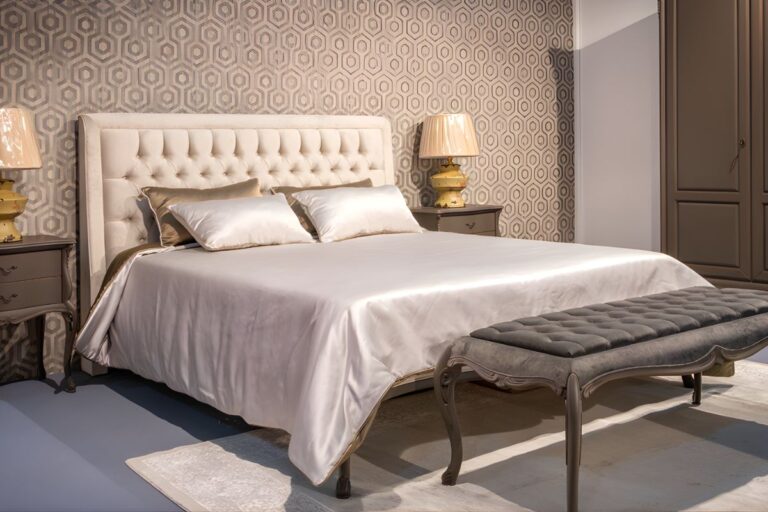
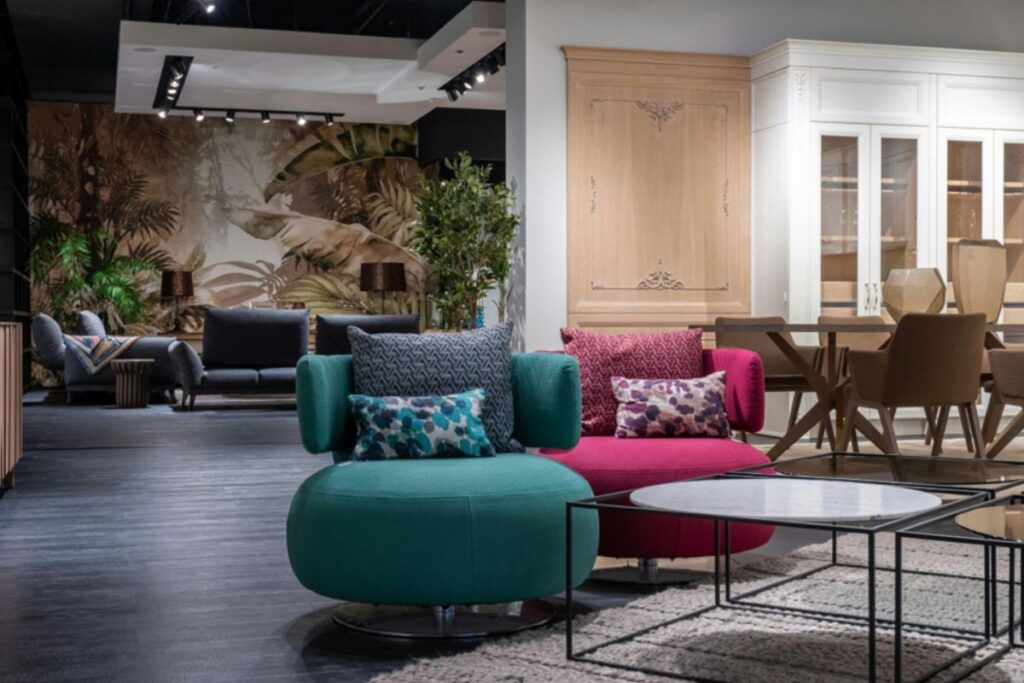
Mobile commerce is the standard for 2026. As a result, 3D furniture rendering services are no longer a luxury for online shops. They are a baseline requirement. There is a massive technical gap between a standard 3d render and an “AR-ready” model. A standard render produces a large file intended for a static image. An AR model must be low-poly yet high-fidelity to run on a smartphone. This shift is driven by a “try-before-you-buy” mindset. Customers want to place a digital sofa in their living room to see if it fits the space or clashes with the rug. It gives them confidence. This technology helps furniture manufacturers and retailers reduce the costs associated with returns and shipping errors. I think the real value is in how it removes the guesswork from shopping. To see why this matters, look at these specific benefits:
- Real-time spatial tracking keeps the digital chair firmly on the floor.
- Dynamic lighting makes the model react to the actual lights in your house.
- Users can instantly swap fabrics and colors to view all options.
- Precision scaling ensures the piece isn’t too big for the hallway.
- Social sharing lets shoppers send a photo of the virtual room to friends for advice.
This technology is the ultimate bridge between a screen and a physical room. It makes the digital browsing experience feel tangible. When a customer sees that a piece of furniture design fits perfectly in their corner, the path to the checkout is much shorter.
OmegaRender: The Global Standard For Photorealistic AR Assets
OmegaRender is a heavy hitter in the world of high-end visuals. They have mastered the art of creating AR assets that look cinema-quality on a small phone screen. Balancing complex textures with the strict polygon limits of mobile devices is hard, but they make it look easy. As a premier 3D furniture rendering company, they have the stats to back up their reputation. They employ a team of over 150 professional artists, with that number currently growing toward 200. With 13 years of experience and more than 1000 completed projects, they know how to handle global brands.
They have worked with major firms such as Zaha Hadid Architects and Gensler. This proves they can handle enterprise-level demands without breaking a sweat. Their assets are technically optimized, so they load fast and stay stable on AR platforms. Even with these technical constraints, the furniture looks real. You can see the grain of the wood and the weave of the fabric as if the piece were standing right in front of you. This level of realism is what makes furniture showrooms feel obsolete compared to a digital experience. They turn technical data into a believable reality that helps businesses sell more products with fewer headaches.
Sayduck: Simplifying The Ar Pipeline For Mass Furniture Catalogs
Sayduck is all about making the transition to ar as simple as possible. They provide a platform-based solution that acts as an end-to-end pipeline for brands. Their main goal is accessibility. They want to ensure that even a large catalog can be converted into a 3D experience without taking years to complete. They focus heavily on the viewer experience. This means the models load instantly and appear identical on both iPhone and Android. I believe their strength is in the workflow. They help brands convert legacy CAD files into high-quality assets at scale.
For a large retailer, this is a lifesaver. You don’t always need a custom artistic masterpiece for every chair; sometimes, you just need 10,000 models that work perfectly. Sayduck delivers that speed. They placed the entire inventory in customers’ pockets. Their focus on ease of integration makes it simple for marketing teams to add AR features to their current websites. It is a streamlined approach that prioritizes the user’s ability to see the product immediately over deep artistic customization.
Cylindo: Immersive Product Configurators And Photorealism
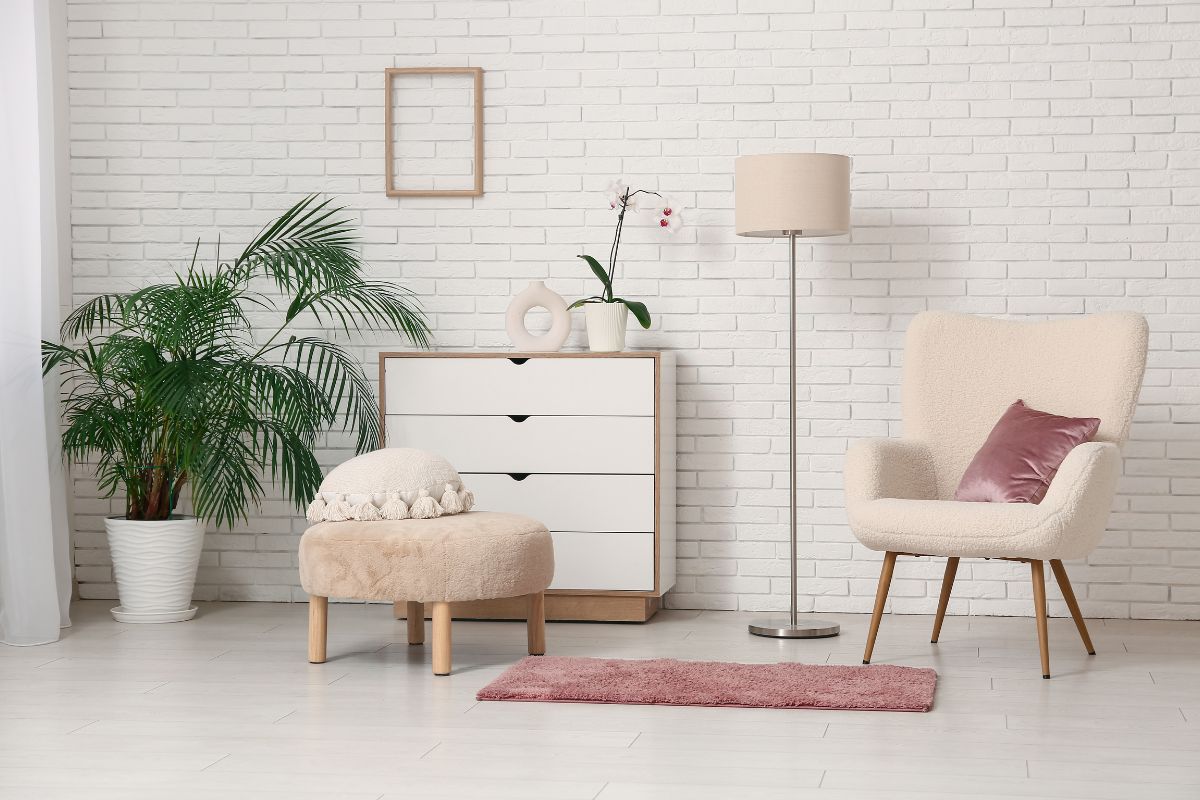
Cylindo is known for building the most advanced configurators in the furniture industry. Their tech allows users to change every detail of a product before they even open the app. You can change the stitching, the leg material, and the fabric type in real time. This creates a deep sense of ownership before the purchase is even made. They are obsessed with “uncompromising quality.” Their zoom levels stay crisp, and their textures never look blurry. This is why luxury brands love them.
A premium digital experience is a must for high-end furniture. Cylindo ensures the 360-degree viewer and AR features work in concert. The journey from the product page to the user’s living room is seamless and fast. This level of immersion is what keeps people engaged with a brand. When a shopper can customize a piece to their exact liking and then see it in their room, the sale is almost guaranteed. They make the digital world feel like a bespoke shopping experience.
Modelry By Cgtrader: Scaling 3d Production For Global Retailers
Modelry is CGTrader’s custom wing, and they are masters of scale. They have a massive network of modelers that can handle the volume needs of the world’s biggest retailers. If a company launches a new collection every month, they need a partner that can keep up. Modelry combines human expertise with automated tools to deliver thousands of models. Their quality assurance is very strict. Every model must meet technical benchmarks for file size and geometry so it works on every device.
Scalability is the most important factor for giant brands. You cannot have a broken model in your showroom. Modelry ensures that every asset is “ar-ready” and technically perfect. This allows retailers to keep their digital stores updated in real time. Their ability to handle high-volume requests without compromising quality makes them a vital partner to the enterprise. They take the stress out of managing a huge 3d library, allowing the business to focus on selling furniture.
Also read: How I Made My Flat Look Designer for Under £50
Marxent: Enterprise Ar Solutions And Room Planning Tech
Marxent provides a “3d cloud” technology that is built specifically for home improvement and furniture. They are specialists in room planning. Their tools let a customer design an entire room from scratch and then walk through it using AR. They have worked with major brands such as Ashley Furniture and HNI, demonstrating their ability to meet complex corporate needs. Their platform manages the entire asset lifecycle. From the moment a model is created to the moment it appears in a web viewer, Marxent tracks it.
I think the strategic value here is the centralized database. One 3D model can be used across the website, mobile app, and in-store kiosk. This saves time and ensures consistent branding across all channels. It is a smart way to manage a large digital footprint. By providing tools that help customers plan an entire space, they increase average order value. A customer doesn’t just buy a sofa; they also buy the rug and lamp they saw in their virtual room design.
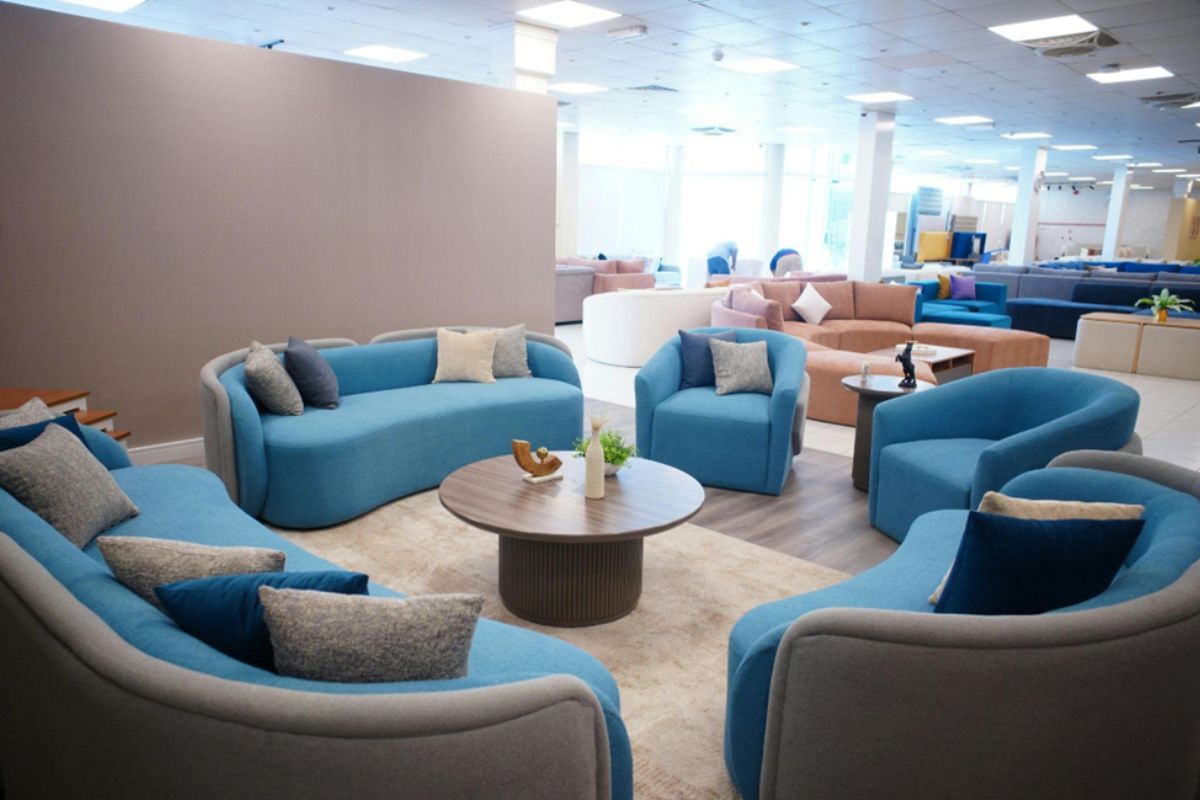
Technical Infrastructure: Managing The Ar-ready Asset Library
Maintaining an ar showroom requires a lot of “technochops.” You must support multiple file formats, such as USDC for Apple and glb for Android. If you don’t have both, you are ignoring half your customers. Then there is the challenge of “texture baking.” This is where you hard-code the light and shadows into the model itself. It makes the model look great on a phone without needing a powerful computer to run it. If the file is too big, the page won’t load, and the customer will leave.
Brands have to balance detail with speed. A model that takes thirty seconds to load is a failure. You need a solid asset management system to keep everything organized. This technical foundation enables a brand to remain relevant in a mobile-first world. It is not just about the art; it is about the engineering behind the art. Getting the infrastructure right is the only way to ensure a long-term AR strategy actually works and generates revenue.
Conclusion
AR-ready 3D furniture rendering services are transforming retail. In 2026, seeing a product in your own home is the primary reason people click the buy button. It is the end of the “hope it fits” era. Studios like OmegaRender have raised the bar, making sure digital furniture looks as good as the real thing. I believe it will soon be a standard feature in every furniture store, not just a cool feature. Brands that start building their high-quality 3d libraries now are setting themselves up for a win. The showroom is no longer a building downtown; it is wherever the customer is standing with their phone. Making that experience beautiful and accurate is the key to success.
Disclaimer: This article is meant only to share general information. It isn’t written to promote or advertise anything. If any services, methods, or industry practices are mentioned, it’s just to explain the topic better, not to recommend or endorse them.