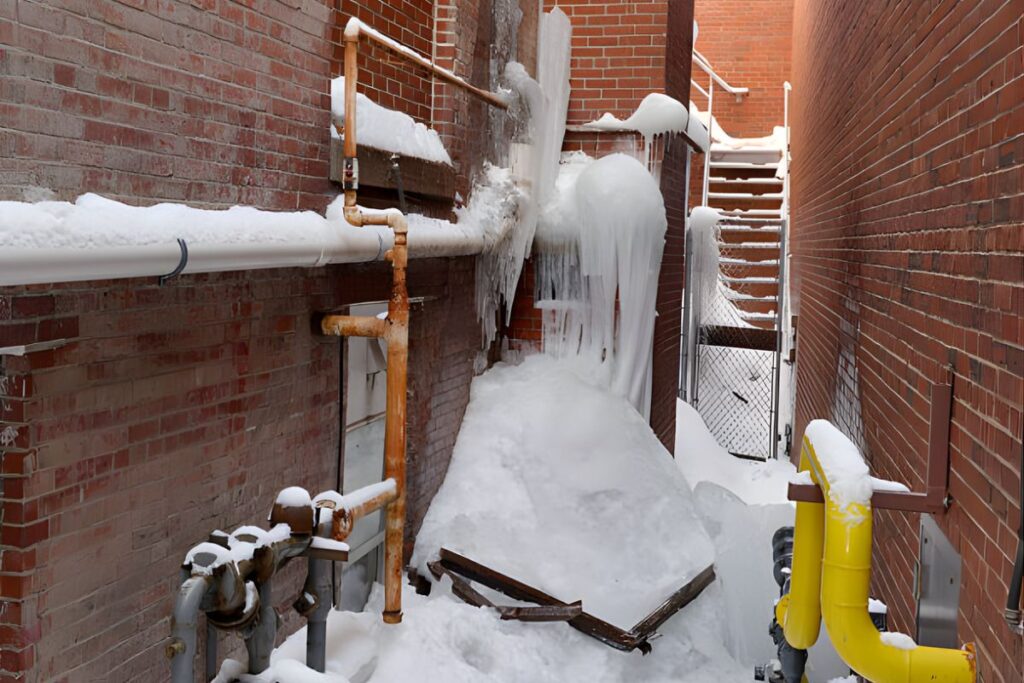
The tail end of February 2026 has delivered a brutal reminder that the British winter isn’t done with us yet. Following the trail of destruction left by Storm Goretti earlier this month—which saw wind speeds peak at 99mph—a stubborn Arctic air mass has dropped temperatures to a bone-chilling 12.5°C in parts of the UK. As a result, British Gas is warning customers about frozen pipes in their boilers. They’re projecting that upwards of 54,000 households could wake up to stone-cold radiators this week alone.
The culprit isn’t usually a mechanical failure or a broken motor. It’s a simple plastic tube. Modern condensing boilers have a safety “lockout” feature that triggers the moment the external condensate pipe freezes solid. When there’s no more room down the drain for that wastewater, the boiler quits rather than risk flooding the system. It is a smart safety feature, but it’s such a huge headache once you wake up shuddering in your robe at 6 am.
The Condensate Culprit: Why Modern Systems Fail In The Cold
It’s a little counterintuitive, no? Your boiler is the thing that’s meant to keep you warm, but it’s also the most exposed bit of kit in the home when it comes to temperatures plummeting. The vast majority of boilers are high-efficiency condensing models installed in the past decade and a half. They’ll emit a continuous flow of ever-so-slightly acidic water that has to go somewhere. This pipe often runs directly along an outside wall in many British homes.
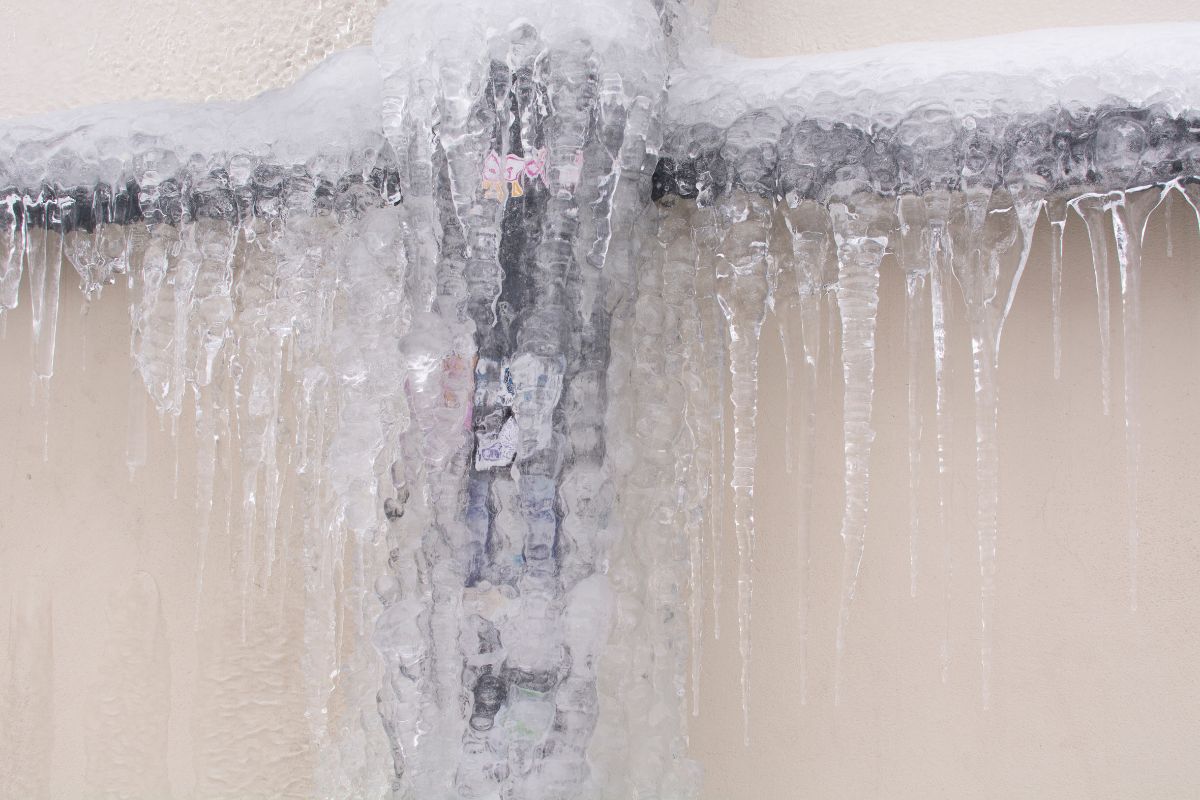
When we get a prolonged “cold snap” like the one happening right now, that trickle of water freezes into a layer of ice. Then another. Before you know it, you’ve got a solid plug of ice. According to official technical guidance from Worcester Bosch, this usually leads to a gurgling sound and a digital error code like EA, F28, or F29. It’s basically your boiler having a bit of a panic because it can’t “exhale” its waste.
The British Gas Rescue Plan: A Simple DIY Fix
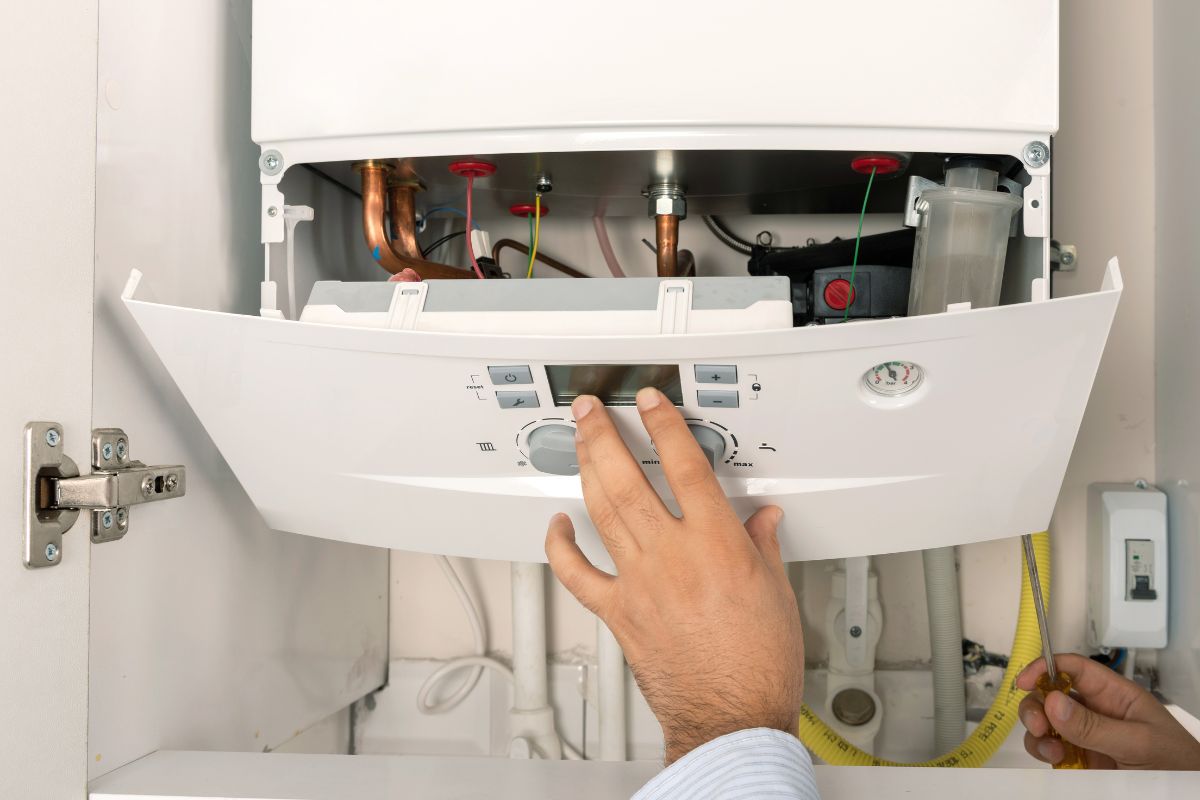
British Gas engineers – who fixed more than 1.3m boilers last year – are asking customers to carry out a simple fix before calling in the emergency repair team. Joanna Flowers, lead engineer at the firm, has been promoting a four-step method that could help save households a hefty call-out fee.
First, locate the pipe. It is typically a white or grey plastic tube protruding from the wall behind the boiler. Second, thaw the blockage. The key here is to use hot, but never boiling water. If you pour boiling water over a frozen plastic pipe in -5°C weather, you will soon have cracked pipes, not to mention an even heftier bill. It’s probably best to simply use a watering can or a jug of warm water.
Third, some engineers advise strapping a hot water bottle to the most vulnerable point on the pipe — typically, an elbow joint or at the very end where it connects with the drain. Lastly, after the ice has melted, the boiler must be reset manually. If it were only a blockage, the system should roar back to life right away.
Quick Troubleshooting: Boiler Error Codes & Stats (February 2026)
| Feature | Details / Latest Data |
| Primary Cause of Failure | Frozen external condensate pipe |
| Common Error Codes | EA (Worcester), F28/F29 (Vaillant), L2 (Ideal) |
| Top Speed of Storm Goretti | 99mph (St Mary’s Airport, Scilly Isles) |
| Emergency Call Increase | 22% spike in 2026 cold snaps |
| Market Service Stat | 80% same-day repairs if booked before 11 am |
| Recommended Temp | Set the thermostat to at least 15°C to prevent freezing |
Long-Term Prevention: Lagging And Trace Heating
The “once-in-a-decade” snow which struck the Midlands recently has demonstrated that much infrastructure in Britain is inadequate for extreme cold. British Gas recommends that they invest in foam lagging to prevent the freezing and thawing cycle. It’s a cheap, do-it-yourself fix that only includes wrapping the external portion of the pipe in waterproof insulation.
For those residing in really vulnerable locations or the far north of Scotland, stronger measures like trace heating are getting widespread. This requires a low-voltage heating cable that runs parallel to the pipe and automatically turns on when the temperature goes below freezing. And though it entails a bit of an initial cost, it in effect “weatherproofs” the house against future Arctic blasts.
Also read: Lindsey Vonn Crashes at 120 km/h, Faces Multiple Surgeries but Holds No Regrets
When To Call The Professionals: Recognising A Burst
Now, there is a difference between a frozen pipe and a burst one. Should the thaw lead to a soggy patch appearing on the walls or an immediate loss of water pressure (dropping below 0.5 bar), you could now be facing a split pipe. Ice expands, and if the plastic or copper does not hold, the next thaw will lead to a leak.
In this case, British Gas recommends turning off the stopcock to shut off the water supply immediately and then opening all of the taps to drain the system. Engineers are currently dealing with a high volume of calls; booking before 11 am is the best chance for a same-day visit.
Frequently Asked Questions (FAQ)
Can I use a hairdryer to thaw my boiler pipe?
Yes, but be careful. It’s an electrical tool in use outdoors in a potentially wet or icy environment. Most engineers commonly prefer the warm water method, as it is faster and carries less risk of electrical shock or melting the plastic.
Why does my boiler gurgle before it stops working?
That gurgling is caused by wastewater being pushed back into the boiler, as there is nowhere else for it to go. It’s the strongest indicator that ice has blocked the condensate pipe.
Will my insurance cover a frozen pipe?
Many home insurance policies do cover “escape of water” (leaks) but may require that you have taken “reasonable care”—for example, keeping the heating on at a minimum level when the house is empty.
Is it safe to leave the heating on all night?
During a cold snap, British Gas even suggests that you leave your thermostat on at least 15°C throughout the night. This prevents the water from becoming stationary and allows the system to avoid reaching the “critical freeze” temperature.
Look, nobody wants to wake up in the cold of morning to see a “No Signal” on the boiler screen. However, most of the time, a little warm water and a reset button suffice to resolve the issue.
When did you last look at your external pipe lagging? It could be the best five quid you spend this winter.
Sources And References
- Emergency Repair Data: British Gas – Official Boiler Repair Statistics
- Storm & Weather Impact: Met Office – Storm Goretti Summary January 2026
- Technical Thawing Guide: Worcester Bosch – How To Thaw A Frozen Condensate Pipe
- Energy Market Insights: Utility Bidder – Storm Goretti Energy Market Impact
- Consumer Protection Advice: Citizens Advice – British Gas Performance Data
Recommended