

Factory downtime now sits at the centre of operational risk for UK manufacturers. In 2026, unplanned stoppages cut directly into margins, delivery reliability, and client confidence. Facilities across the South East feel this pressure most, where fixed costs stay high, and production windows leave little slack. Many stoppages trace back to maintenance decisions made under constraint, where teams choose between running compromised equipment or halting lines entirely.
The Hidden Cost of Machinery Downtime in UK Manufacturing
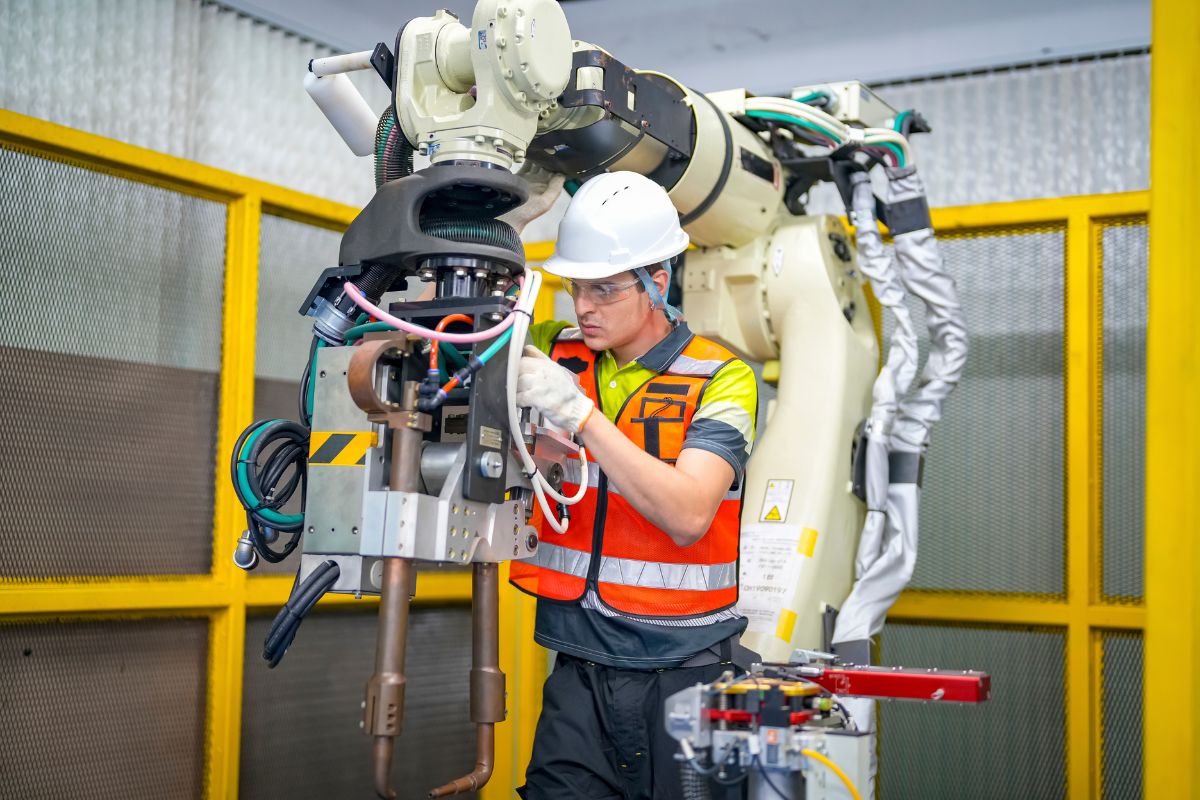
Downtime no longer acts as an isolated technical issue. It triggers commercial exposure, reflecting the broader cost of downtime in UK manufacturing as missed deadlines weaken contracts and strain client relationships.
Printing operations face amplified risk. Precision equipment accumulates residue that affects calibration and output quality. Once tolerances slip, defects rise, and rework follows. Each hour offline carries visible loss, followed by less visible damage to client trust.
In manufacturing hubs such as Guildford, tight schedules and dense supplier networks magnify these effects. One stalled press often disrupts several downstream commitments, leaving little margin for recovery.
Modern Cleaning Technologies Transforming Equipment Maintenance
Maintenance strategies across UK manufacturing shifted in response to this pressure. Traditional cleaning methods forced full shutdowns and extended recovery time. Newer approaches prioritise continuity while controlling contamination risk.
Facilities now assess cleaning as part of operational flow rather than interruption. Decision-makers focus on methods that preserve output stability while addressing residue buildup. As scrutiny increases, many brands align maintenance planning with broader communications and visibility strategy.
Across the South East, and particularly where machinery cleaning in Guildford supports high-precision print and manufacturing environments, maintenance strategies have shifted in response to downtime pressure. Dry ice cleaning gained traction within print environments for this reason. The method removes ink residue, grease, and dust without abrasion or secondary waste. Equipment integrity holds. Downtime contracts. The approach suits sensitive machinery.
Case Study: Efficiency Gains in Print Production
Print facilities adopting non-abrasive cleaning during planned maintenance windows reported immediate effects. Contaminant removal improved output consistency and reduced recovery time.
Financial impact followed quickly. Reduced downtime lowered production losses. Equipment lifespan extended through gentler intervention. Print quality held steady across longer runs, reducing rejects and rework. While professional cleaning carried higher upfront cost, reduced stoppages offset the expense within short cycles.
Regulatory Compliance and Safety Standards for UK Manufacturers

Regulatory pressure intensified alongside operational risk. UK manufacturers now operate under stricter expectations from the Health and Safety Executive. Maintenance records require consistency. Cleaning protocols demand control.
COSHH regulations restrict chemical use in production environments. Environmental scrutiny expanded through climate-related compliance requirements. Facilities must retain detailed maintenance records for inspection over extended periods, with machinery safety regulations in Great Britain shaping how equipment upkeep, cleaning protocols, and audit readiness are assessed. Inconsistent documentation or reactive maintenance strategies attract attention during audits and increase exposure.
Implementing a Preventative Maintenance Strategy

Preventive maintenance now functions as an operational discipline rather than a checklist. Facilities prioritise equipment based on production criticality and failure impact, aligning cleaning and servicing cycles with output demands. When teams adopt structured preventive maintenance as a shared operational framework, coordination improves, unplanned stoppages decline, and quality stabilises across production cycles.
Successful programmes integrate cleaning into existing maintenance windows. Coordination between production and maintenance teams reduces friction. When scheduling aligns with operational rhythm, unplanned stoppages fall, and output quality stabilises.
Measuring ROI and Avoiding Common Pitfalls
Effective programmes rely on disciplined measurement. Managers track emergency repairs, downtime frequency, and defect rates across defined periods. Changes in these indicators reveal programme impact.
Common failures emerge when schedules stay static despite shifts in usage or volume. Reactive cleaning increases exposure rather than control. Facilities that review logs regularly and adjust intervals maintain stability.
In 2026, downtime defines operational resilience in UK manufacturing. Facilities that embed preventative maintenance into production rhythm protect margins, compliance standing, and client confidence simultaneously. Stability comes from discipline, not last-minute recovery.