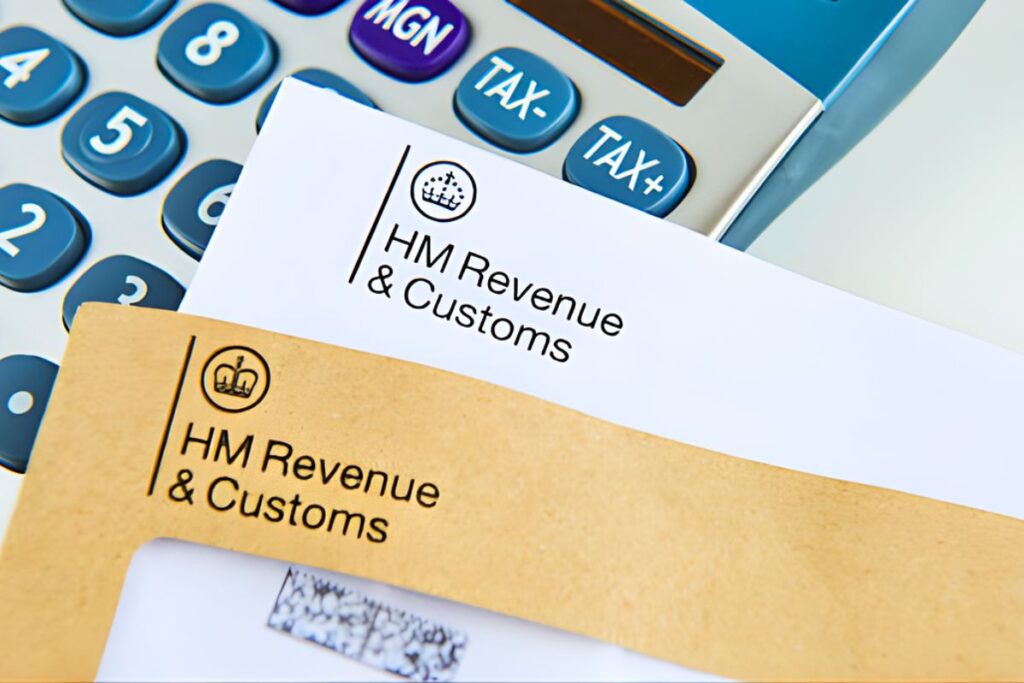
The morning coffee probably tasted a bit more bitter for thousands of UK workers this week as they logged into their banking apps. If you noticed your take-home pay looked a bit “light” compared to March, you aren’t alone. Without much fanfare, HMRC has begun implementing a series of personal allowance allocation changes for the 2026/27 tax year that are effectively acting as a stealth tax on middle earners.
While the headline figure for the standard Personal Allowance remains stuck at £12,570, the way that tax-free cushion is being divided across multiple income sources has shifted. For anyone with a “side hustle,” a small rental property, or even just a bit of interest in a high-yield savings account, the taxman is now clawing back more at the source. It’s a technical tweak with a very real-world sting, and for many, it’s adding up to a £180-a-year hit right when the cost of living was supposed to be cooling down.
The Stealth Squeeze on “Second” Incomes
Here’s the thing about tax codes: they’re designed to be confusing, but the maths behind this latest “shake-up” is actually quite simple. HMRC is now more aggressively allocating your tax-free allowance to your primary salary to simplify their own administrative load. On paper, that sounds fine. But in practice, if you have a second job or a small pension, that secondary income is being taxed at the full basic rate from the very first penny.
As reported by The Telegraph, this change in how the allowance is distributed across PAYE codes is catching people off guard. Speaking to those in the finance world who are seeing a surge in “K codes”—those dreaded tax codes that mean you actually owe tax on top of your earnings. Because thresholds have been frozen since 2021 and are now set to stay that way until April 2031, any small pay rise you get just pushes you deeper into the taxman’s pocket. It’s classic “fiscal drag,” but with a fresh, 2026 twist in the allocation rules.
Winners and Losers in the Rule Change
Now, it isn’t all gloom if you know how to navigate the system. There’s a specific quirk that City AM has been tracking where some savvy taxpayers can actually boost their effective tax-free limit to £13,570. This usually involves claiming the £1,000 Trading Allowance for side income or the Property Allowance for those renting out a spare room.
The problem is that HMRC doesn’t just hand these out. You have to ensure your tax code is set up to reflect them correctly. If you’re a basic rate taxpayer, failing to check your “Notice of Coding” could mean you’re essentially giving the government an interest-free loan that you won’t get back until you file a return next year. Honestly, it feels like the system is betting on us being too busy to check the fine print.
Practical Steps to Protect Your Take-Home Pay
So, what should you actually do? First, log into your Personal Tax Account on the GOV.UK site. Don’t wait for the paper P2 form to arrive in the post. Look at how your £12,570 is being split. If you have a primary job and a small side business, you might want to ask HMRC to shift more of the allowance to the income source that is growing fastest.
Also, keep a sharp eye on the Marriage Allowance. If your partner earns less than the threshold, transferring that 10% of their allowance to you is one of the few remaining ways to legally “claw back” some of that £180 loss. With Making Tax Digital (MTD) now fully live as of April 2026, the tax office has more real-time data on your earnings than ever before. The days of “sorting it out later” are gone; the allocation is happening now, in real-time, on your April payslip.
Actually, it’s a bit of a mess, isn’t it? We’re all working harder, yet the goalposts for “tax-free” living haven’t moved in half a decade. Have you checked your tax code this morning, or are you waiting for the shock of an empty wallet at the end of the month?
Sources and References
- The Telegraph (7 April 2026): Personal allowance shake-up to cost taxpayers £180 extra a year.
- The Independent (8 April 2026): HMRC Bulletin: Personal allowance allocation changes explained.
- City AM (9 April 2026): Taxpayers brace for a financial hit after HMRC Personal Allowance rule change.
- GOV.UK Official (April 2026): Current Income Tax rates and Personal Allowances for the 2026/27 tax year.
Recommended