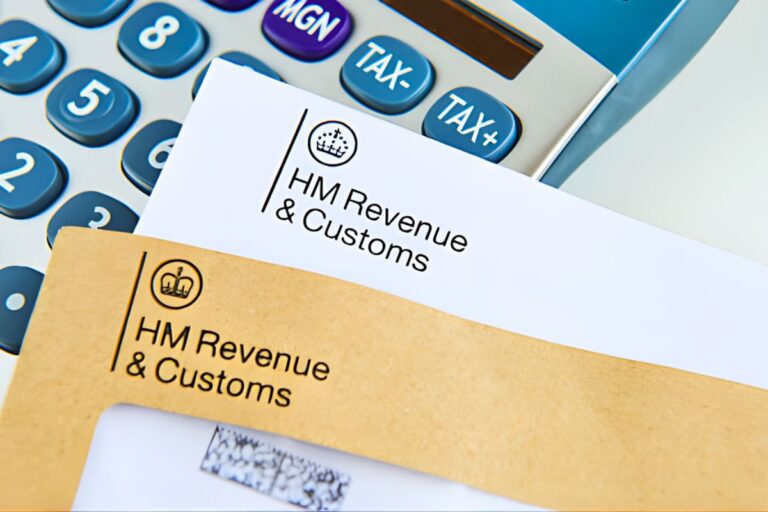

My mate Robbie found out his savings were getting taxed the hard way. Got a letter from HMRC last March demanding £340 he didn’t know he owed. Turned out the interest on his emergency fund had tipped him over the threshold. He didn’t even realise there was a threshold. Stories like his sit right at the centre of this tax crackdown on savings account interest.
That’s about to get a whole lot more common.
Rachel Reeves has signed off on new rules that’ll make it basically impossible to accidentally avoid tax on your savings. From April 2027, every bank in the country will need your National Insurance number for any savings account. Not just new ones. Existing ones too.
What’s Actually Changing
Right now, banks tell HMRC how much interest you’ve earned. But apparently about 20% of that data is “unreadable,” whatever that means. Can’t match it to people’s tax records. So loads of folk are earning interest above their allowance, and HMRC can’t automatically bill them for it.
That gap is exactly what this tax crackdown on savings account interest is designed to close.
Rachel Reeves introduces changes to tax savings income via personal NI numbers to HMRC, and it’s pretty straightforward, really. Banks will collect your NI number. They’ll report your interest earnings linked to that number. HMRC will know exactly how much you’ve made. If you’re over your allowance, they’ll just adjust your tax code and take it straight from your wages.
No more self-assessment forms for most people. No more “I didn’t know” excuses. Just automatic deductions.
The Allowances Haven’t Changed
Here’s what you can still earn tax-free. Basic rate taxpayers get £1,000 a year. Higher-rate taxpayers get £500. Additional rate taxpayers? Nothing. Zero allowance.
Those numbers sound like a lot until you remember interest rates aren’t rubbish anymore. My savings account is paying 4.5% right now. Stick £25,000 in there, and you’re over the basic rate allowance. Most people with any kind of emergency fund or house deposit saved up are hitting these limits without realizing.
In 2025, about 2.64 million savers got billed for tax on their interest. That’s going to shoot up. Not because the rules changed, but because HMRC will actually be able to enforce them properly.
Why This Matters More Than You Think
Look, I get it. If you’re earning enough interest to pay tax on it, you’re doing alright. You’ve got some money saved. Fair enough that you should pay tax on it like any other income.
But here’s the thing. Loads of people are getting caught out. You save for years, building up a house deposit or a buffer for redundancy. Interest rates were pants for ages, so you never worried about it. Then suddenly rates jump to levels we haven’t seen since 2008, and bam. You’re over the allowance without changing anything.
The Rachel Reeves tax on savings is technically just enforcing existing rules. But when those rules weren’t really enforced before, it feels like a new tax. And for many people, it might as well be.
The HMRC Savings Account Tax Implications
This is where it gets proper sneaky. HMRC can go back four years to collect tax you owe. Six years if they reckon you were careless. Twenty years if they think you deliberately dodged it.
So even if you’ve been accidentally not declaring interest for ages, they can come knocking. With your NI number linked to your savings, they’ll have all the data they need.
And once they’ve got it, they’ll change your tax code. You won’t get a bill. You’ll just notice less money in your pay packet. If you’re not paying attention to your payslip, you might not even spot it straight away.
An HMRC spokesman said this will “make it easier for customers to get their tax right first time.” Which is PR speak for “we’re making it impossible to get it wrong.”
What About Kids’ Accounts?
Here’s a weird one. Kids under 16 don’t have National Insurance numbers. But they can have savings accounts. So how’s that supposed to work?
HMRC’s still figuring it out, apparently. Banks are worried sick about it. They’re looking at millions in costs to update their systems. Some legacy accounts could take years to sort out. And getting customers to actually respond and hand over their NI numbers? Good luck with that. Banks reckon only about 10% of people reply to letters these days.
One major bank estimated it’ll cost them £10 million to comply with the Rachel Reeves NI tax raid. That’s just one bank. Multiply that across every building society and lender in the country, and you’re looking at serious money. Which, let’s be honest, will probably get passed on to customers somehow.
The Privacy Question
Some people are properly wound up about this. Sir David Davis, former Tory cabinet minister, called it government overreach. Said the state’s getting too intrusive. HMRC is the worst for it, according to him.
And yeah, there’s something a bit unsettling about handing over your NI number to every bank you deal with. That’s a lot of your personal data floating around. One big hack and suddenly, criminals have your NI number linked to how much you’ve got saved. Not ideal.
The government says it’s necessary. They need the data to close the tax gap. Make sure everyone pays what they owe. Can’t argue with that logic, really. But it doesn’t make it feel any less like Big Brother’s watching your current account balance.
What You Can Actually Do
First off, check if you’re even affected. If you’re earning less than £1,000 interest a year as a basic rate taxpayer, you’re fine. Don’t panic.
If you’re over the threshold, ISAs are your mate. Individual Savings Accounts let you earn interest completely tax-free. You can stick £20,000 a year into them. That’s probably enough for most people.
Yeah, ISA rates are sometimes a bit lower than regular savings accounts. But not paying 20% or 40% tax on your interest makes up for it pretty quickly. Do the math. It’s usually worth it.
My cousin Arabella moved all her house deposit money into an ISA last year after she got stung with a surprise tax bill. Wishes she’d done it sooner. Would’ve saved her about £400.
Tax Crackdown on Savings Accounts Reality
Here’s what’ll actually happen for most people. You won’t file a tax return. You won’t get a bill. You’ll just see your tax code change and take home a bit less each month.
For some, that’s easier. No paperwork. No forms. Just dealt with automatically. For others, it’s frustrating. You don’t even get a proper explanation of what’s happening. Just a cryptic code on your payslip.
The Association of Taxation Technicians and the Low-Income Tax Reform Group both said HMRC needs to make this clearer. Send statements people can actually understand. Explain where the numbers come from. Make it transparent.
Will they? Who knows? HMRC’s not exactly famous for clear communication.
The Bigger Picture
This is part of Rachel Reeves’ plan to close the tax gap without hiking the main rates. Instead of putting up income tax or VAT, she’s going after money people are already supposed to pay but aren’t.
Economists reckon this could bring in hundreds of millions a year. Not massive in terms of the whole budget, but not nothing either. The Treasury needs every penny it can get right now.
The Rachel Reeves savings raid, as some papers are calling it, is really just better enforcement. But when enforcement was rubbish before, better enforcement feels like a raid. Especially if you’re one of the millions who’ll suddenly get a tax bill you weren’t expecting.
Is This Actually Fair?
Depends who you ask. Supporters say yeah, absolutely. You’re supposed to pay tax on savings interest. Always have been. If you’re not, you’re breaking the rules. Doesn’t matter if you didn’t know. Ignorance isn’t an excuse.
Critics say hang on a minute. These are people who’ve already paid tax on the money they saved. Then inflation eroded it for years whilst interest rates were rubbish. Now that rates are finally decent, the government wants another slice. Feels a bit cheeky.
And why go after regular savers when there are massive corporate tax loopholes still open? Reeves could raise way more money by cracking down on companies using complicated structures to dodge taxes. But no, let’s hassle Dave and his £30,000 emergency fund instead.
Both arguments make sense, honestly. Yeah, rules are rules. But also, yeah, it does feel a bit like punishing people for being careful with money.
What Happens Next
The legislation goes through Parliament next year. April 2027 is when it kicks in. So you’ve got time to sort yourself out.
Check your savings. Work out what interest you’re earning. If you’re over your allowance, move money into ISAs. If you’re under, you’re probably fine.
Keep an eye on your tax code once this comes in. Make sure HMRC’s calculations are right. They’re not infallible. I’ve known them mess up codes before. One mate got charged for savings interest on an account he’d closed three years earlier. Took him months to sort it out.
And maybe, just maybe, politicians will realise that frozen tax thresholds plus decent interest rates equals loads of ordinary people getting dragged into higher tax brackets they never expected. But I wouldn’t hold your breath on that one.
The Bottom Line
Your bank’s about to become an HMRC informant. From 2027, they’ll know exactly what you’re earning in interest, and they’ll grass you up automatically. No more flying under the radar. No more accidentally forgetting to declare it.
For some people, that’s fine. Makes things simpler. For others, it’s going to hurt. Unexpected tax bills are never fun.
My advice? Don’t wait until 2027 to figure this out. Check your savings now. Use your ISA allowance. Keep records. Because once HMRC’s automated system gets hold of your data, there’s no talking your way out of it.
Robbie eventually sorted his £340 bill. Paid it off in instalments. Now he’s moved everything into ISAs and he’s checking his tax code every month like a hawk.
Maybe we should all be a bit more like Robbie.
Recommended