
Ford’s been having a proper field day with the Maverick. Since 2021, they’ve been the only ones offering a genuinely affordable compact pickup that doesn’t cost as much as a house deposit. Yeah, Hyundai’s got the Santa Cruz, but that’s more expensive and honestly hasn’t made much of a dent.
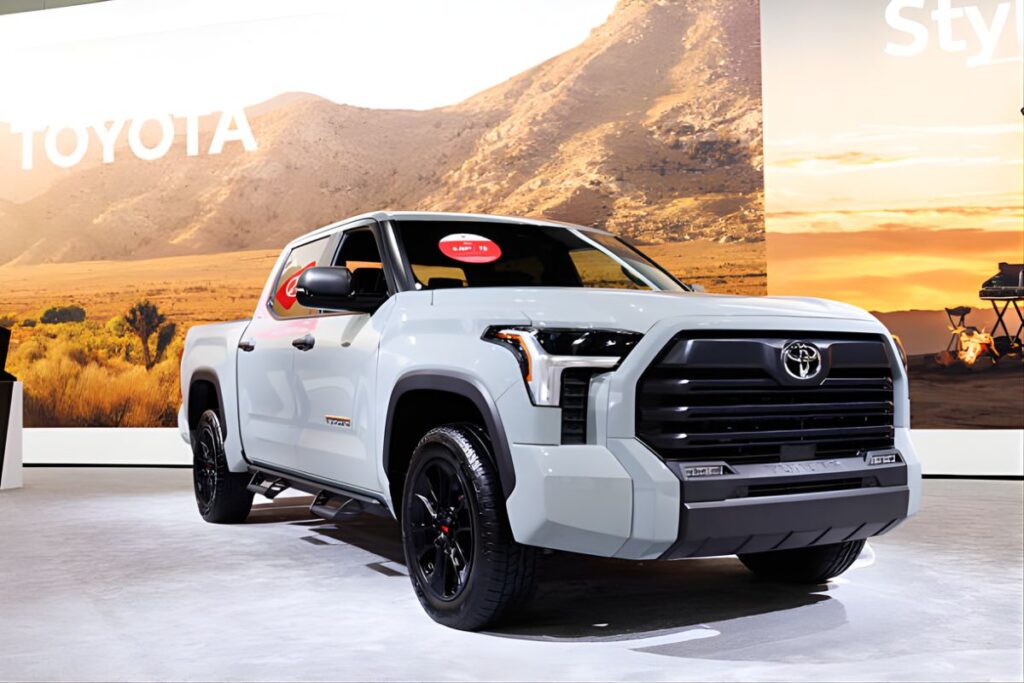
Now, Toyota’s decided to join the club. It’s about time, some might say. Make no mistake, the Toyota small pickup Ford Maverick rival is a go and has been since Cooper Ericksen, head of planning and strategy for Toyota North America, confirmed it in May 2025. “It’s not a question of ‘if’ at this point,” he told MotorTrend. When can we actually buy one? That’s a different question.
Why It Took Toyota So Long
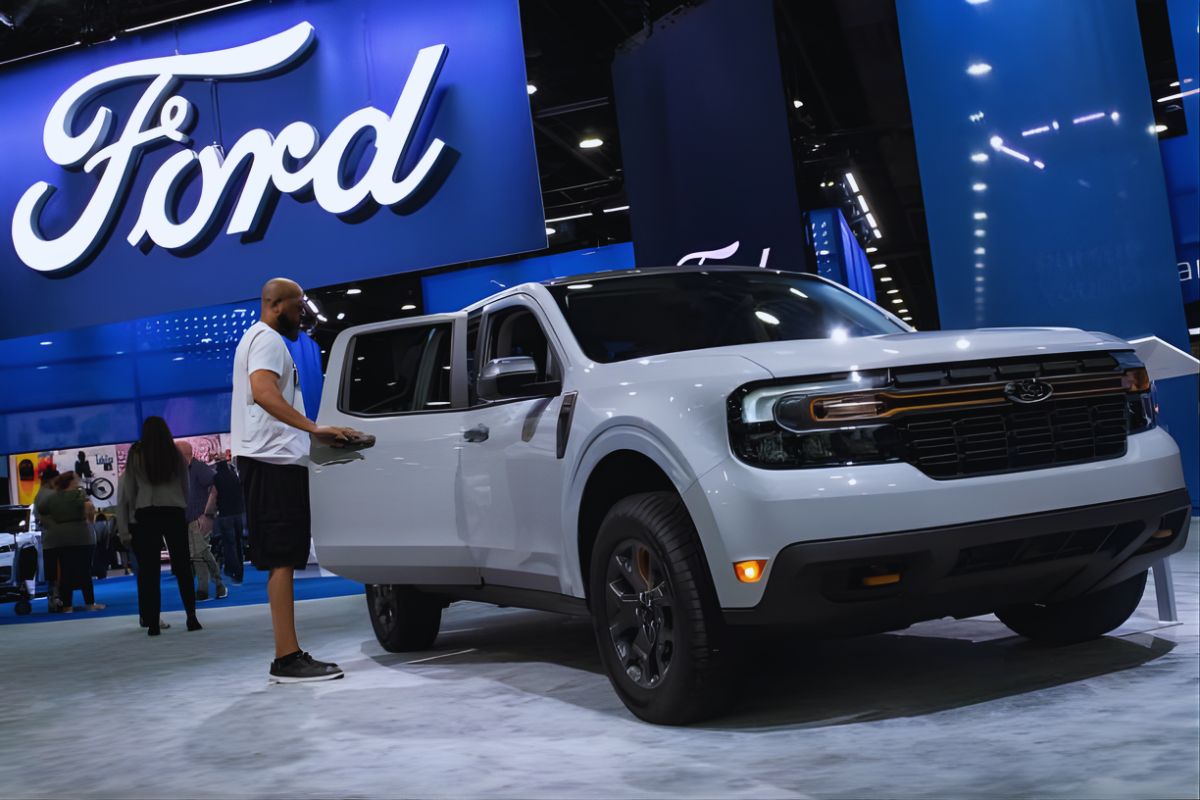
Here’s the thing. Ford sold 131,142 Mavericks in 2024 alone. That’s a 40% increase from the year before. Toyota’s been watching these numbers pile up while sitting on the sidelines, and they reckon they could shift between 100,000 and 150,000 units annually in the US market alone.
So why didn’t they jump in sooner? Timing, apparently. Toyota’s been busy working on hybrid and electric vehicle tech while updating about two dozen models across its lineup. It’s good. But watching Ford make bank on a segment you’re not even competing in must’ve been frustrating.
The Tacoma’s been dominating the mid-size truck segment for 20 years running. In 2024, Toyota sold 192,813 Tacomas. That’s massive. But there’s a gap between the Tacoma and, well, nothing. People who want something smaller and cheaper have been walking into Ford dealerships for the past few years.
What We Actually Know About It
So yeah, Toyota hasn’t given us any official specs and hasn’t even told us what the name would be. But if we combine the information from several industry sources and a few hints from Toyota, we can infer what’s on the horizon.
The truck will be built on Toyota’s TNGA platform. It’s probably the TNGA-K that underpins the RAV4, Camry, and Highlander. That is to say, unibody construction (unlike the body-on-frame Tacoma). Same as the Maverick. This keeps costs down and makes it easier to drive in town.
Toyota small truck 2026 was the original rumor, but that ship’s sailed. Current estimates point to the Toyota small truck in 2027 at the earliest. Some conservative timelines even suggest 2028. Toyota’s not rushing this one.
The Toyota Stout name keeps popping up. They trademarked it in Argentina, the US, Australia, and South America. The Stout was Toyota’s original compact pickup from 1954, so bringing back that nameplate would make sense. It’s got history. But Toyota hasn’t officially confirmed the name yet.
Hybrid Power Is Pretty Much Guaranteed
If there’s one thing Toyota can do, it’s hybrids. RAV4 (hybrid only, for 2026). The Camry is hybrid-only. The Sienna has been hybrid-only for years. Even the Tacoma and Tundra now have hybrid powertrains.
Anticipate the Toyota small pickup Maverick rival to serve up Toyota’s 2.5-liter four-cylinder hybrid configuration. In the RAV4, that makes around 219 to 236 horsepower, depending on whether you have front-wheel or all-wheel drive. That’s roughly what the Maverick hybrid provides.
A plug-in hybrid option, borrowed from the RAV4 Prime, is also rumored to be in the mix. That translates to 320 horsepower, which would be the most powerful truck in the compact segment. Not sure Toyota will actually offer that, but it’d be brilliant if they did.
A regular petrol engine may also be on offer, and most likely a 2.4-liter turbo of some kind. But let’s not forget Toyota is going all-in on hybrids across its lineup, so don’t be surprised if the base version is a hybrid-only model like the Maverick.
Also read: Mercedes-Benz UK Dealerships Closure
Pricing Will Make or Break This Thing
The hybrid Maverick is priced at $28,145 in 2025, excluding destination fees. The Santa Cruz begins at $29,500. The Tacoma’s base price is a shade below $34,000.
If the compact truck Toyota’s working on is going to make it here, then it’ll have to be priced beneath the Tacoma. The base price is estimated to be around $30,000, slightly competitive but nowhere near undercutting Ford. Some optimistic forecasts suggest that it will cost between $23,000 and $25,000, but given the recent surge in vehicle prices, this seems unlikely.
Toyota dealers are notorious for markups, though. Even if they set a reasonable MSRP, you’ll probably pay more than the sticker price for the first year or two. That’s been the reality with nearly every new Toyota release lately.
What It’ll Actually Look Like
Nobody knows for sure because there’s no concept vehicle yet. Renderings online show everything from a smaller Tacoma to something inspired by the 2023 Toyota EPU Concept electric truck. Some show it looking like a baby Tundra. Others go for a more modern, urban-friendly design.
The EPU Concept had a proper futuristic look with sharp angles and bold lines. If Toyota goes that route, it’d stand out from the Maverick and Santa Cruz. But Toyota could also play it safe and just make it look like a scaled-down Tacoma, which wouldn’t be terrible.
Size-wise, expect it to be similar to the Maverick. About 177 to 183 inches long. Compact enough to park easily in town but still useful as an actual truck.
Capability Matters
The Maverick can tow 2,000 pounds standard, or 4,000 pounds with the Max Tow Package. The Santa Cruz manages 5,000 pounds. Toyota will need to match at least 4,000 pounds in properly equipped trims to be taken seriously.
Payload capacity is another consideration. The Maverick can carry about 1,500 pounds in its bed. Toyota’s truck should be similar. It won’t be a heavy-duty workhorse like the Tacoma, but it needs to handle weekend DIY projects, camping gear, kayaks, and mountain bikes. All the stuff compact truck buyers actually use these vehicles for.
The bed length matters too. The Maverick’s bed is 4.5 feet, which is usable but not massive. The Santa Cruz is 4.3 feet. They could differentiate themselves by offering a slightly longer bed option, but that’d make the overall truck longer and defeat the purpose of being compact.
The Competition Is Growing
Ford’s not sitting still. The Maverick is likely to be redesigned around 2027, roughly when Toyota’s truck may also hit the market. That would only make it harder for Toyota to win market share.
Honda is rumored to have a hybrid Ridgeline in the works for 2026, but the Ridgeline is bigger and more costly than the Maverick. Ram is rumored to be developing its own Maverick competitor. And there’s the Slate Auto electric pickup targeting budget buyers, though that’s a startup, so who knows if it’ll actually materialize.
When Toyota enters the market in 2027 or 2028, the compact truck scene may become more crowded. First-mover advantage is a thing, and Ford’s had it since 2021. Toyota’s playing catch-up.
What Toyota’s Got Going for It
Here’s the thing, though. Toyota really is the king of reliability. They have 150 million of their vehicles on the road still in service worldwide. Some folks have said they trust Toyota trucks to live forever. That brand loyalty is massive.
They also have dealer reach that Ford can’t match in some areas. Service networks, parts availability, and resale value. These things matter to truck buyers who plan to keep vehicles for 10-plus years.
And Toyota knows hybrids inside and out. They invented the modern hybrid with the Prius back in 1997. If anyone can make a compact hybrid truck that’s efficient and reliable, it’s Toyota.
When Can You Actually Buy One?
Best-case scenario? A concept revealed in late 2026, with sales slated to start in either the 2027 or 2028 model year. More realistic? 2027 reveal, 2028 on-sale date. Toyota is playing it safe because it wants to get this right the first time.
It’s long to wait for those who want a Toyota badge on their compact truck. But Toyota’s not known for rushing products to market. When this truck finally arrives, it’ll probably be sorted properly from day one.
The Bottom Line
The Toyota small pickup Ford Maverick rival is definitely happening. It will be hybrid-powered, of unibody construction, priced aggressively, and aimed at urban buyers who want truck utility without the size or cost of a Tacoma.
Will it succeed? Probably. Toyota’s brand strength, history with hybrids, and dealer network give it advantages that Ford doesn’t have. But they’re joining a segment that Ford has owned for years, and the Maverick just keeps getting better.
The smarter play for Toyota would have been to put this truck out in 2023 or 2024. By holding fire until 2027 or 2028, they’ve allowed Ford to build up a giant lead and a loyal customer base. The decision would have at least persuaded some of those Maverick buyers to pick Toyota if the option were available. Now they’re locked in.
The compact truck market is growing fast enough that there’s plenty of room for more than a few players, though. If Toyota can sell more than 100,000 of these trucks per year, it makes sense because they have significant sales power and the segment is very popular.
Just don’t expect to walk into a Toyota dealer in 2027 and drive away with one at MSRP. Not happening. You will wait months, pay over the sticker, and endure all the traditional launch-time chaos.
But for the people who have been waiting years for Toyota to enter the small-truck market, it will probably be worth the minor inconvenience. If it ever even arrives in 2027 and isn’t delayed to 2028 or later. With Toyota’s recent track record on timelines, anything’s possible.