
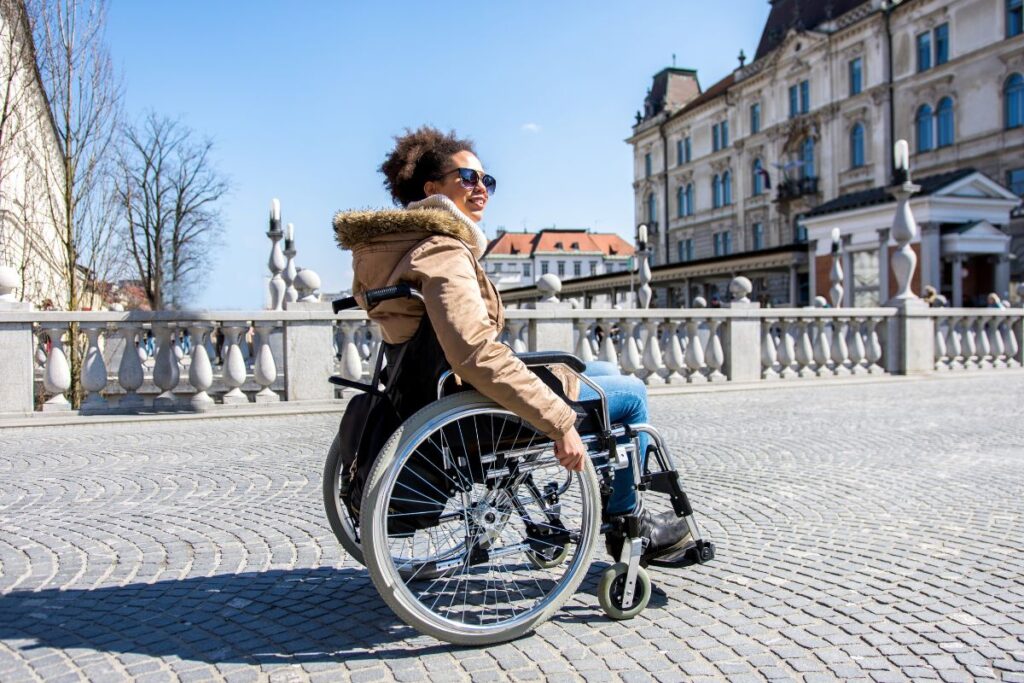
Cities all over Britain are changing the way they look and feel. In cities like Edinburgh and Bristol, streets are being changed so that they are easier for people to get to. Steps and narrow sidewalks are being replaced with flat paths, surfaces that can be felt, and separate lanes for wheelchair users.
It’s not just that these changes make the streets easy to use. They also include making cars and trains better. All over the UK, cities and towns are making sure that public spaces and transport follow and sometimes go beyond basic rules for accessibility. These changes make it easier for everyone to get around the city and help more people be a part of daily life.
There’s more to this movement than following a set of rules. It’s about making towns work for everyone, no matter how they get around. People who use wheelchairs or other mobility aids will find it easier and more comfortable to get around as places in the UK grow and change. People can meet, move, and feel like they are part of the community on the streets and in public places.
How UK Cities are Transforming Urban Spaces For Wheelchair Users
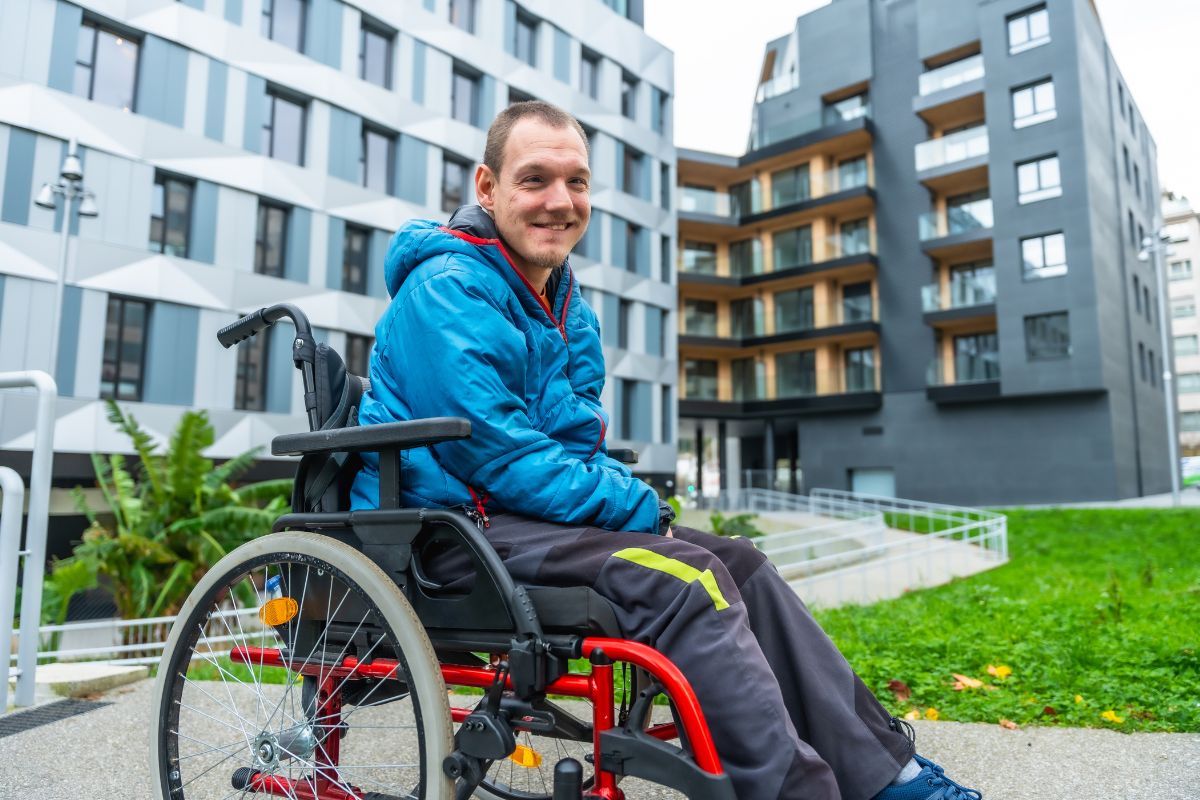
In the past few years, many towns in the UK have made big changes to make public spaces easier to get to. More and more roads have features like dropped kerbs and tactile paving that make it easier for people with mobility issues to drive on their own and help keep traffic moving.
In the past few years, Manchester has spent a lot of money putting in dropped curbs and tactile flooring all over the city center. These changes have made it easier for people to get to routes that connect shopping areas to major transportation hubs.
In Bristol, changes have been made to the A4 Portway to make it easier for people who need help getting around to do so. These changes, which include new paths that are easier for people with disabilities to use and better links to public transport, show how accessibility can be used in real life.
More people walking on the streets is often a sign of how better accessibility has helped the economy. More people tend to visit stores that are easier for people with disabilities to get to, including people who use directories of wheelchair accessible vehicles for sale to find the right transportation.
Even though there has been improvement, there are still problems in historic districts that need to be preserved. Cities like York and Edinburgh make their landmarks accessible while also protecting their history. To fix these problems, they use digital guidance tools and ramps that can be taken off and put back on.
Public Transport Accessibility Milestones and Remaining Gaps
Access to transport varies by area in the UK. Some northern regions have lower rates of bus accessibility, which shows how different areas are. In London, many buses are now fully accessible. More step-free tube stops are being built thanks to investments, and more improvements are planned for the next few years.
New rules have made it easier for people to use public transport. Because of these rules, transport companies have to include wheelchair areas and boarding aids. This means that more people in the UK can use transport that is accessible for wheelchairs.
There are more problems in rural areas than in city centers. In places where public transport isn’t very good, community schemes have become necessary for people who need accessible cars to stay independent.
The Technology Driving Transport Accessibility Forward
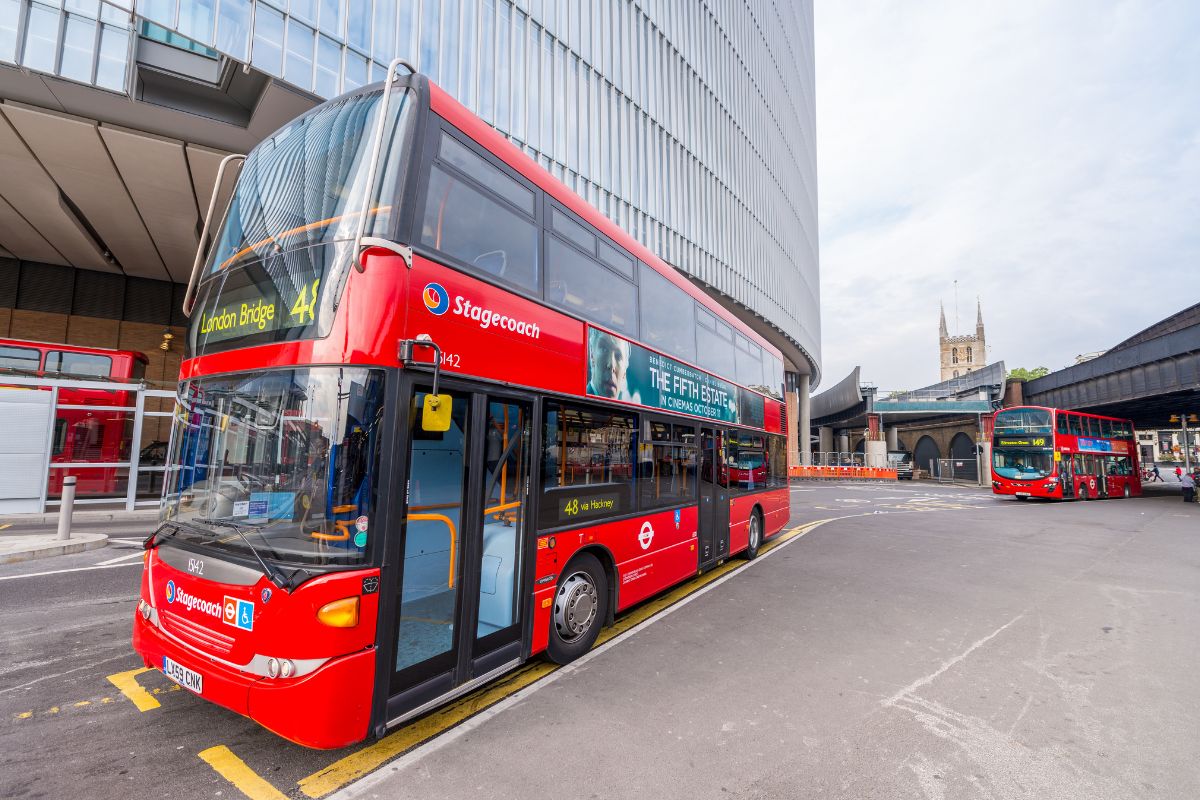
Tech is a big part of making towns easier to get around in. More and more people are using real-time accessibility apps to get the most up-to-date information on accessible routes and services.
Buses with automated ramp release systems have reduced wait times for boarding and alighting, and they’ve also made it easier for wheelchair users to get around without driver assistance.
New low-floor designs in buses and trams are making them easier for people with disabilities to use. People who have trouble moving around really like these features because they make getting on and off the plane easier for them.
Accessibility information is now included in most trip planners. Step-free paths are marked on apps like Citymapper and Google Maps. This makes it easier for people to plan trips across places that are easy to get to.
The Economic Case for Accessible City Planning
Investing in making things easier to reach can help local economies grow. Cities that focus on inclusive planning often see better economic results because they make it easier for everyone to get around.
Changes that make things easier to get to can also help tourism. Cities with accessible facilities are more likely to get disabled visitors and their companions. These visitors may stay longer and spend more money in the city.
Getting more jobs is another important perk. More disabled people often join the workforce in cities that make it easier for them to do so, which can be good for the local businesses.
Some examples from cities like Leeds and Bristol show that making places more accessible can bring in more customers and visitors to shopping and retail areas.
It’s usually cheaper to design for mobility from the start than to make changes after the fact. Adding features to new buildings usually doesn’t cost as much as making changes to buildings that are already there.
Community-led Accessibility Initiatives Changing UK Neighbourhoods
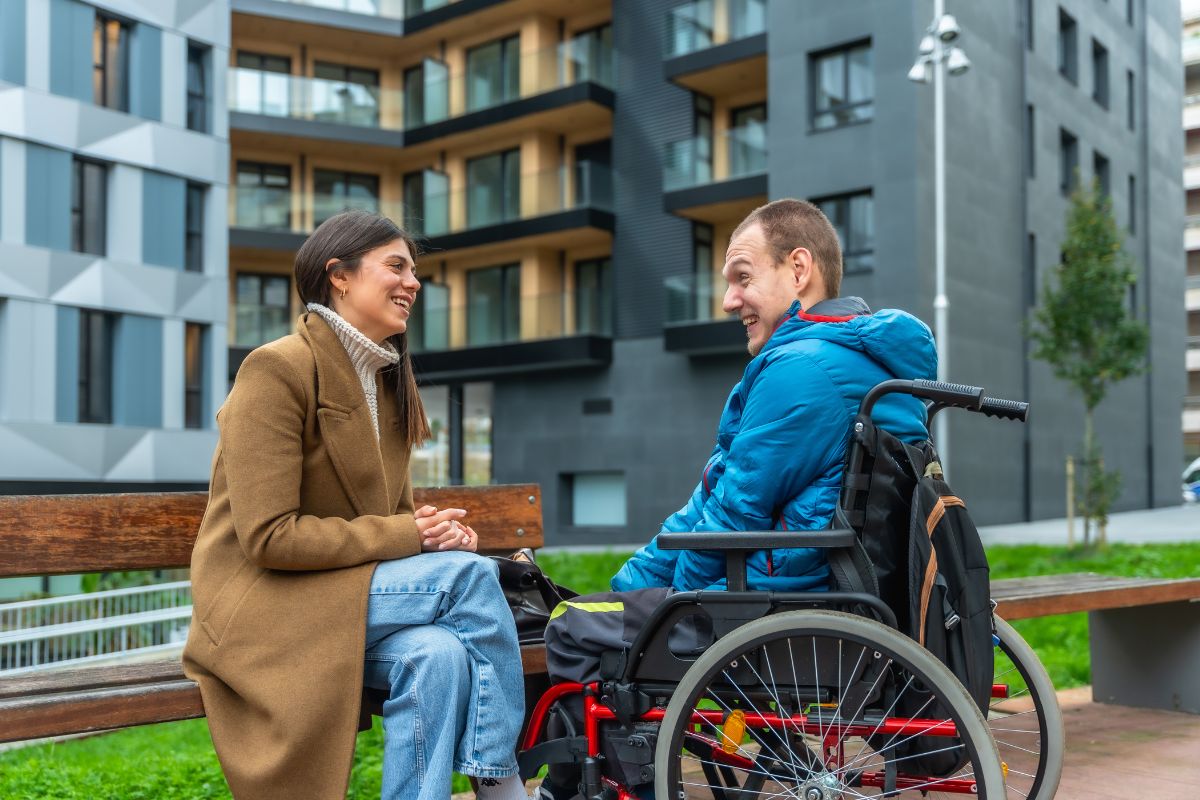
Accessibility surveys done by wheelchair users are changing the way cities are built. These checks give planners who aren’t disabled direct feedback on barriers that they might miss.
Digital mapping projects have made detailed guides for getting around in many places in the UK. Crowdsourced data is used to show people with mobility needs the best places to sit, use the toilet, and avoid stairs.
The Norfolk Heritage Park in Sheffield is an example of a public place that was made by the community to be accessible. Wheelchair users in the area helped build the path’s gentle slopes, rest places, and sensory features that are good for everyone.
In some places, disability advocates have permanent seats on planning panels. This helps make sure that accessibility is thought about from the start, so expensive changes don’t have to be made later.
A lot of accessibility projects all over the UK have been helped by local grant programs. These projects are all about making community places where everyone can use and enjoy, like playgrounds that everyone can use and sensory gardens that were planned with the help of disabled residents.
Principles of inclusive urban design are being taught in more and more architecture and planning classes across the UK. This helps make sure that future workers think about accessibility from the very beginning of every project.
From Consultation to Implementation: Success Stories
Other towns have been inspired by Liverpool‘s use of a citizen panel to plan for accessibility. The panel is made up of people with different kinds of disabilities who look over big plans for growth and have helped make the city’s waterfront area better.
In Newcastle’s co-design workshops, planners, engineers, and people who use wheelchairs worked together. The changes that were made to Grey Street were praised for making it easier for people with disabilities to reach historic areas.
Surveys of residents show that community-led projects make people feel more like they belong. Disabled people often say they are more involved in public life when they are involved in planning from the start.
It has been just as important to learn from your mistakes. Early shared areas in some cities made walking dangerous for people who were blind or had low vision. These events have led to better ways of doing things. Now it’s easier to tell the difference between places for people and cars.