The impact of business rates on supermarkets is about to become particularly painful. From April 2026, Britain’s biggest grocery chains are facing a £600 million surge in property taxes. And who do you think will end up paying for it? Yeah, that’d be us.
The government’s business rates reform sounded good on paper. Lower rates for smaller shops. Support for the high street. A fairer system. But there’s a catch. To fund the cuts for small businesses, they’re whacking a surtax on larger properties valued over £500,000. And that covers nearly every major supermarket in the country.
The Numbers Are Mental
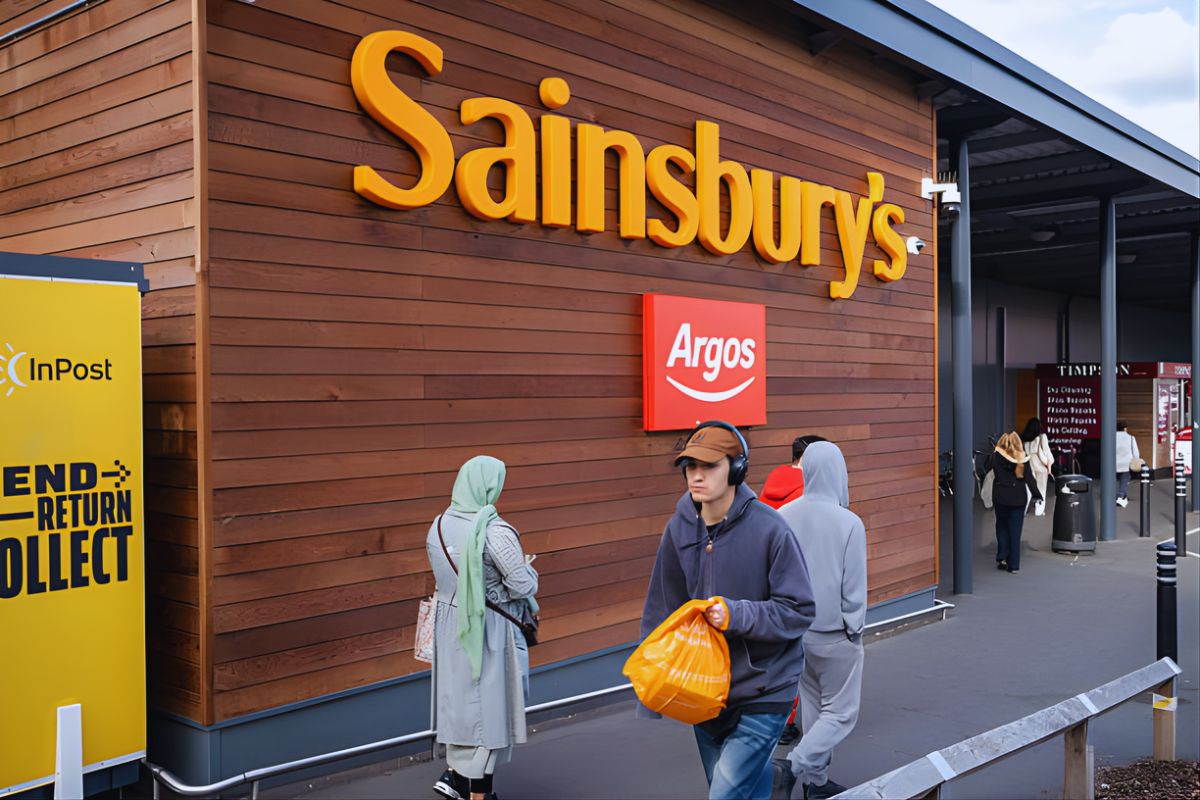
Research by property agents Colliers shows more than 90% of Tesco, Asda and Sainsbury’s stores have rateable values above the £500,000 threshold. The grocery sector alone is facing over £350 million in additional annual costs. That’s on top of the existing £11 billion business rates bill they already pay.
Britain’s largest retail shops will see their business rates bill jump by at least £600 million in 2026. This comes after Rachel Reeves’ Autumn Budget already hit them with higher National Insurance contributions, new packaging taxes, and a whole load of other costs.
Major UK supermarkets warn of higher food prices due to proposed tax hikes because they have no choice. Helen Dickinson of the British Retail Consortium spelt it out: “Whilst supermarkets are doing everything they can to keep prices low, it is a battle against costs which will continue to pile pressure on prices going forward, with over £7 billion in additional costs in 2025 alone.”
The Treasury U-Turn That Nobody Saw Coming
Here’s the annoying bit. Supermarket bosses thought they’d been given assurances in October that large shops would be exempt from the increased rates. They had productive talks with Treasury officials. They were told not to worry.
Then in November, the Treasury reversed its position. Large retail premises would face the new higher tax band after all. No exemption. No special treatment. Just a massive tax bill landing in April.
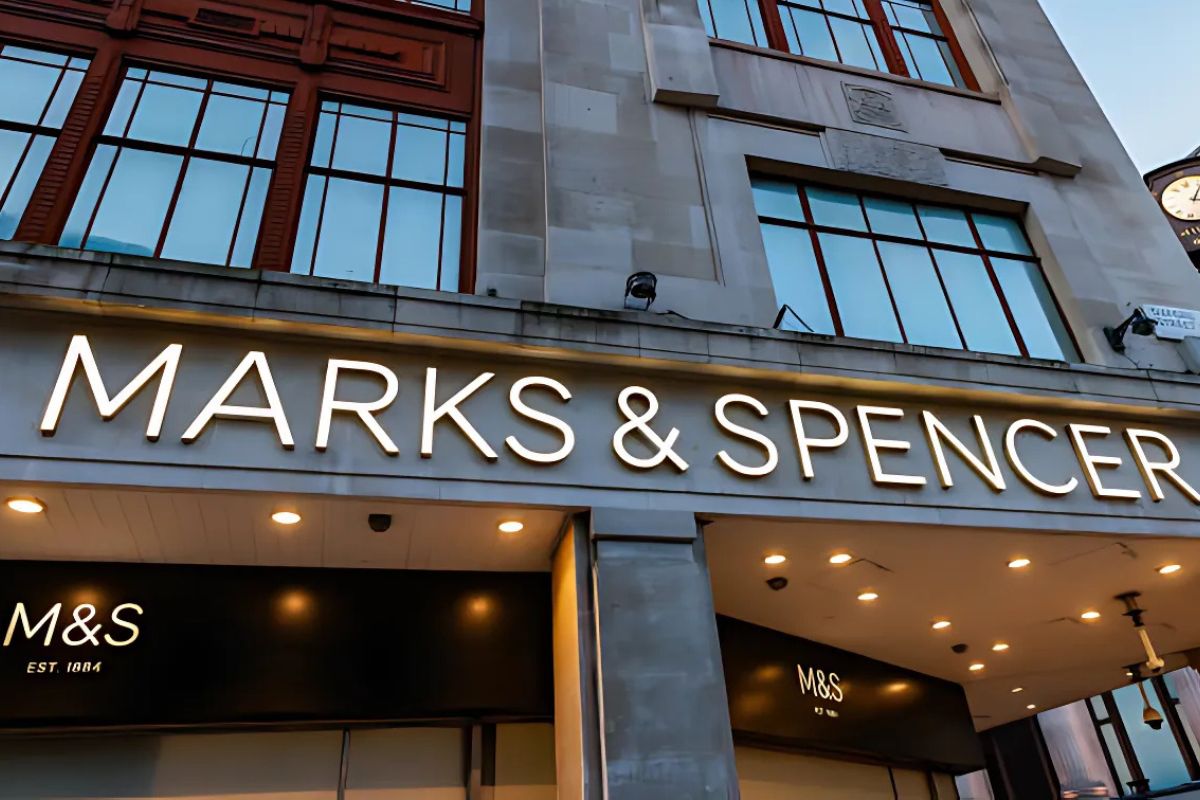
Nine major supermarket chains wrote to the Chancellor, warning that this would harm ordinary households. Tesco, Sainsbury’s, Aldi, Asda, Iceland, Lidl, Marks & Spencer, Morrisons and Waitrose all signed the letter. They pointed out that “large retail premises are a tiny proportion of all stores, yet account for a third of retail’s total business rates bill.”
Another significant rise could push food inflation even higher. And food inflation’s already been rough enough, thanks very much.
What This Actually Means for UK Supermarket Business Rates Impact
The new system works like this.
- Properties valued under £500,000 get lower rates. The small business multiplier drops to 38.2p with the standard multiplier at 43p. That helps corner shops, independent retailers, and pubs.
- But properties valued over £500,000 get hit with an extra 2.8p above the national standard multiplier. That doesn’t sound like much until you realise how many supermarkets fall into that category. Basically, all of them.
Colliers estimates that West End retail properties will be hit hardest. 335 retail properties in that area will exceed the £500,000 threshold. Rateable values there will rise about 30% to be 55p in the pound following revaluation. Annual liabilities are projected to jump from £212 million to £274 million. That’s an average increase of £182,727 per property.
For supermarkets across the UK, it’s a similar story. Massive stores in out-of-town retail parks. Big distribution centres. All are getting whacked with higher bills.
The Timing Couldn’t Be Worse
This isn’t happening in isolation. Supermarkets are already dealing with loads of other pressures.
Morrisons to introduce digital shelf labels across all 497 UK stores from 2026 as part of broader efficiency drives. That costs money. Automation costs money. Meeting new packaging regulations costs money. Higher wages cost money. National Insurance increases the cost of money.
The British Retail Consortium warned that 400 of the nation’s largest shops could be forced to shut. That’s not scaremongering. That’s maths. When your costs go up by hundreds of millions and your margins are already razor thin, something’s got to give.
UK Supermarkets Are Recalling Various Food Products Due to Safety Concerns
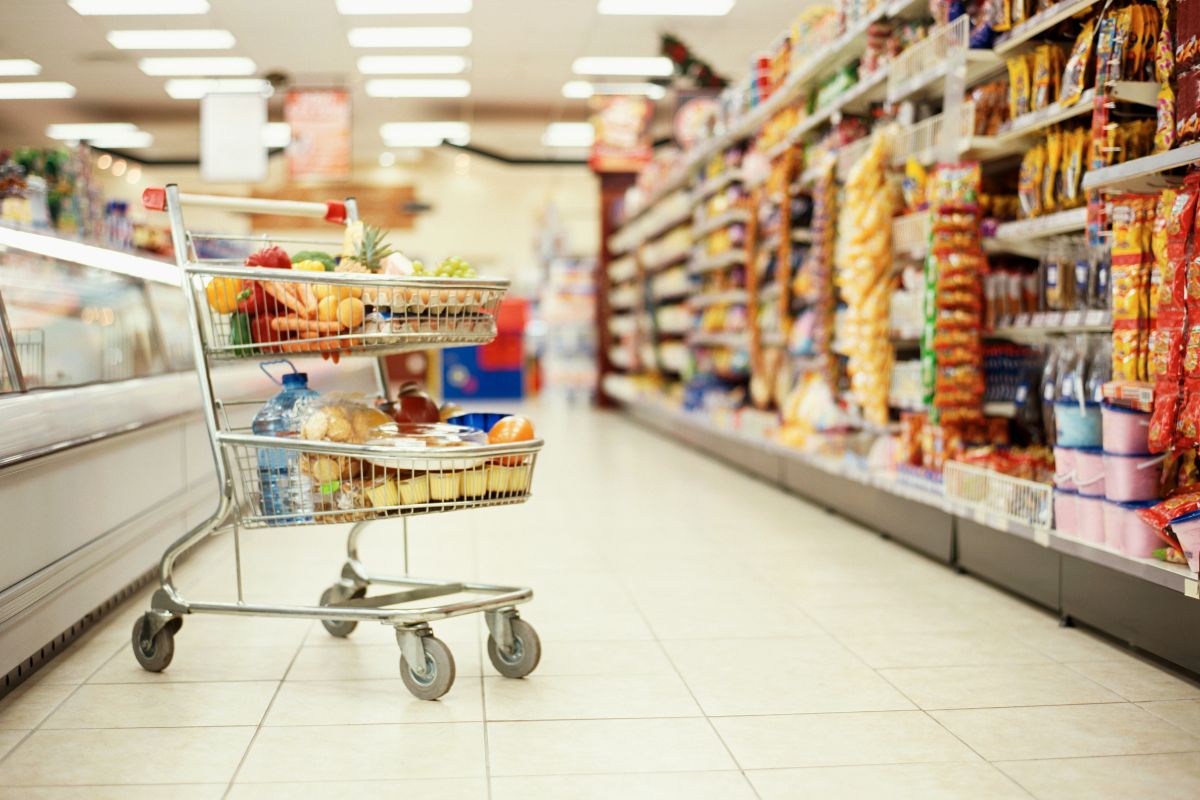
And just to add to the chaos, UK supermarkets are recalling various food products due to safety concerns regularly now. Every recall costs money. Staff time, logistics, customer service, and reputation management. It all adds up.
The industry’s ability to absorb additional costs is basically gone. Supermarket bosses told the Chancellor as much in their letter: “Our ability to absorb additional costs is diminishing. If the industry faces higher taxes, our ability to deliver value for our customers will become even more challenging, and it will be households who inevitably feel the impact.”
What Happens Next?
The changes take effect from April 1, 2026. That’s when the new revaluation kicks in based on property prices. Supermarkets have got about four months to work out how to deal with this.
They’ve got two options. Pass the costs on to customers through higher prices. Or squeeze their supply chains even harder to cut costs.
Neither option is brilliant. Higher prices mean families feel the pinch at weekly shopping. Supply chain pressure risks quality, delivery disruption, and damages relationships with suppliers that are already fragile after Brexit and Covid.
Clare Francis from Pinsent Masons pointed out the dilemma: “Retailers need to look at other levers such as operational efficiency and automation, and even a collaborative supplier model, in addition to cost control if they are going to add value while achieving resilience and compliance.”
But there’s only so much efficiency you can wring out. At some point, the costs have to go somewhere. And historically, they go to consumers.
The Government’s Defence
A Treasury spokesman said: “We are a pro-business government that is creating a fairer business rates system to protect the high street, support investment and level the playing field.”
That’s the line. Lower rates for small businesses. Higher rates for big ones. Sounds fair, doesn’t it?
Except the hospitality sector’s getting hammered too. Pubs will see bills increase by 76% by 2028. Hotels by 115%. Meanwhile, distribution warehouses only go up 16%. Office buildings 7%. Supermarkets 4%.
So online retailers with massive warehouses get off relatively lightly. Physical retailers with actual shops where people work get clobbered. That’s not exactly levelling the playing field between online giants and the high street.
The Bottom Line
The UK supermarket business rates impact from April 2026 is going to hurt. £600 million in extra costs doesn’t just disappear. It flows through to prices, to staff levels, to investment decisions, to which stores stay open.
Food inflation’s likely to stay high into 2026. Your weekly shop’s going to cost more. And whilst the government says this is about fairness, it’s hard to see how making groceries more expensive helps ordinary families.
But hey, at least small businesses are getting a tax break. That’s something. Just don’t expect your Tesco shop to get any cheaper anytime soon.