Wild swimming has taken off in a big way over the last few years. Lakes, rivers, quiet coves along the coast — more and more people are trading chlorine and lane ropes for actual open water. It used to be something outdoor enthusiasts did on the fringes. Now it’s genuinely mainstream, attracting people across all age groups and fitness levels.
Beyond just being a good workout, there’s something else going on with wild swimming — a chance to slow down, reconnect with nature, and let some of the everyday stress drain out. Here are five reasons it’s caught on the way it has.
1. It Can Support Mental Wellbeing
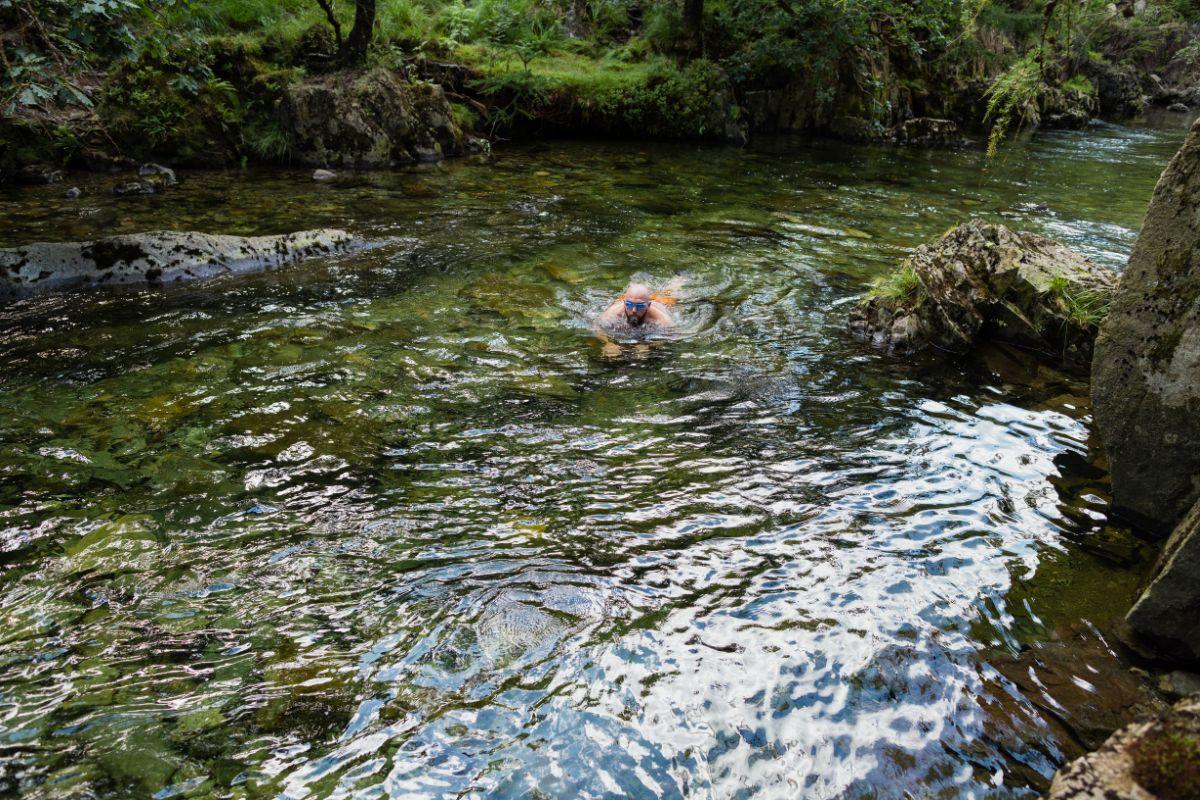
Mental wellbeing keeps coming up as one of the main reasons people get into wild swimming in the first place. Getting into open water, away from screens and deadlines and whatever else is piling up, gives people a real break from all of it.
A lot of swimmers talk about feeling calmer, happier, more switched-on after a swim in open water — which is part of why it gets recommended so often, by counsellors, by people working in UK rehab, by all sorts of professionals who deal with wellbeing day to day. Fresh air, natural surroundings, the physical effort of swimming itself — all of it together tends to trigger endorphins, the so-called feel-good hormones. It’s not a replacement for proper mental health support, worth being clear about that, but plenty of people find it makes a real difference as part of a broader self-care routine.
2. It Encourages a Connection with Nature
Most of modern life happens indoors — work, home, everything in between. Wild swimming pulls people back outside in a way that actually sticks.
Floating under a cliff face, swimming across a still woodland lake, taking a quiet dip in a river — these experiences tend to slow people down and make them more aware of what’s around them. Swimmers often say they notice things they’d normally miss entirely — birdsong, the way the seasons shift, how the water moves differently depending on the day.
That connection doesn’t just disappear the moment you towel off, either. People carry it with them for a while after.
3. It’s a Great Form of Exercise
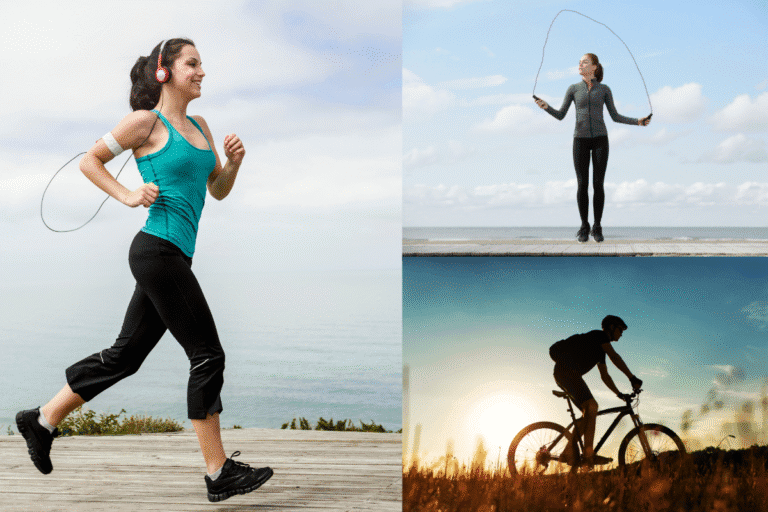
Swimming’s already considered one of the best all-around workouts you can do, and wild swimming keeps all of that while adding something extra — the water itself is never quite the same twice.
Moving through open water works a wide range of muscles, builds endurance, and sharpens balance and coordination in a way that pool laps don’t always manage. Because the water’s carrying most of your body weight, it’s also easier on the joints than a lot of land-based exercise, which matters more the longer you keep it up.
Temperature shifts, current, unpredictable conditions — all of it makes each swim feel a bit different from the last, and that unpredictability is honestly part of the appeal for a lot of people.
4. It Brings People Together
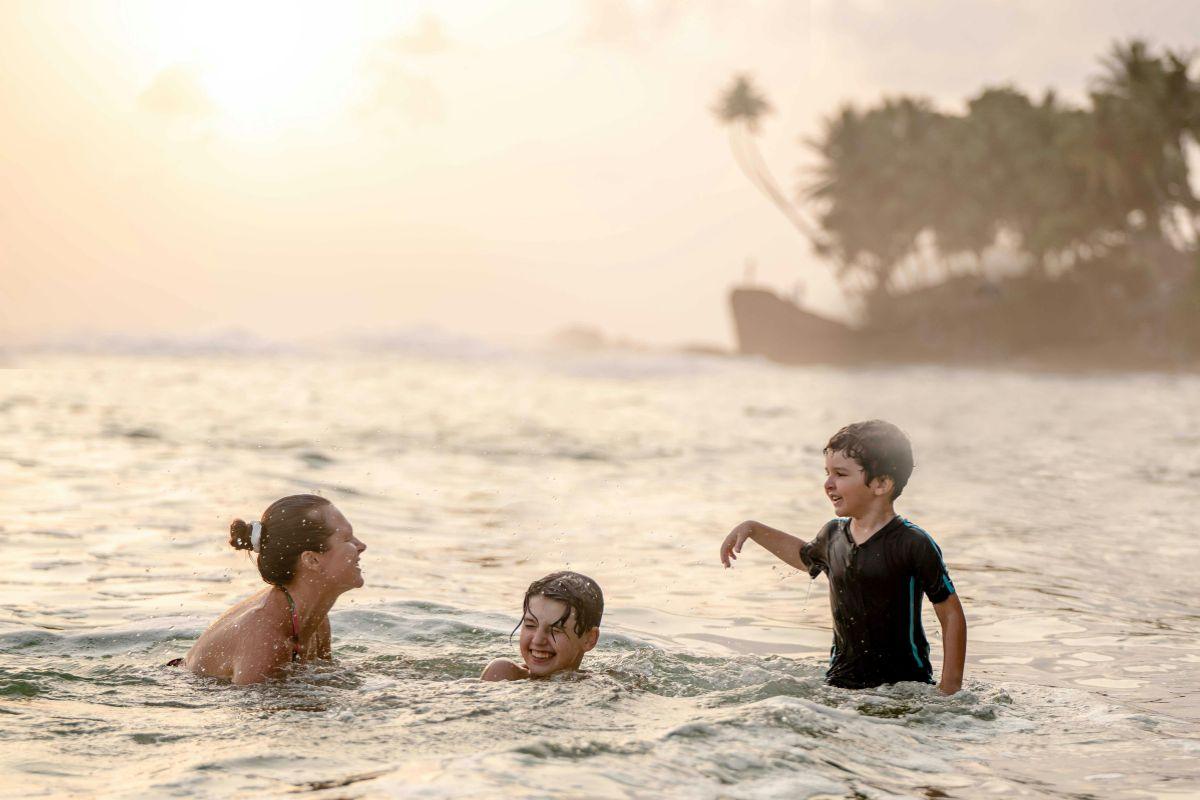
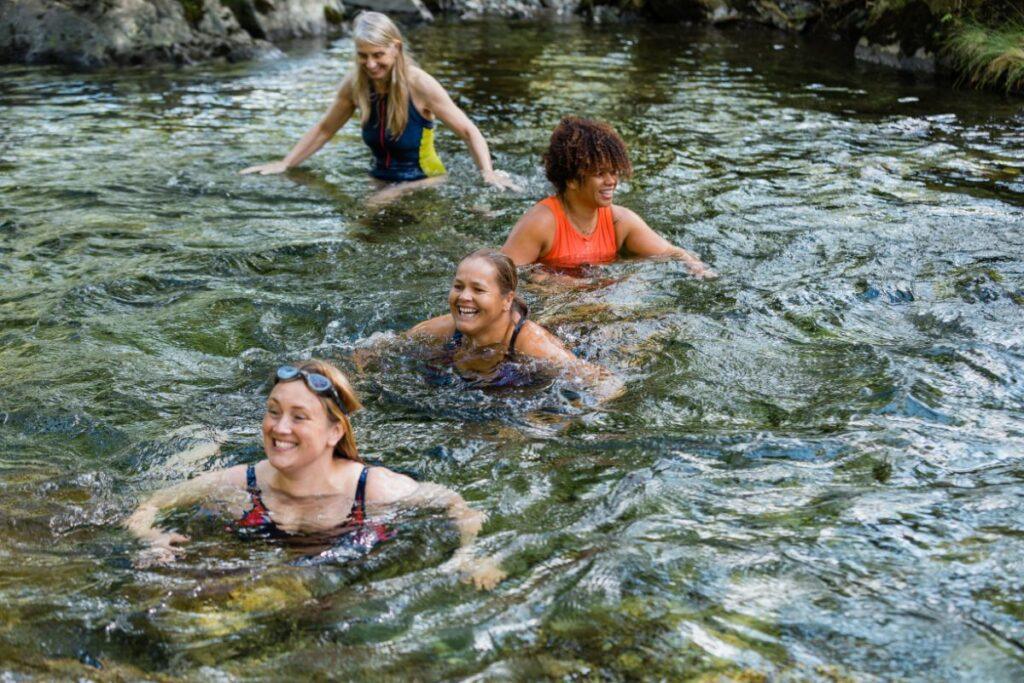
Plenty of people swim alone and prefer it that way, but wild swimming has turned into something surprisingly social too. Across the US and UK, local swim groups run early morning dips, weekend trips, charity swims — open to beginners and seasoned swimmers alike.
These communities tend to offer more than just company. Safety advice, encouragement, that sense of being looked after when you’re trying something new — it makes the whole thing far less intimidating for people just starting out. Watching a sunrise together after a swim, or celebrating someone’s first cold-water dip — moments like that turn into real friendships more often than you’d expect.
For a lot of swimmers, the social side ends up mattering just as much as the swimming itself. It chips away at loneliness and builds something closer to an actual community.
5. Every Swim Is a New Adventure
A swimming pool is the same every time. Wild water never is. Weather, wildlife, water levels, the scenery around you — all of it shifts throughout the year, so no two swims really feel the same.
One day it’s a still lake wrapped in morning mist. Another day it’s clear coastal water under full sun. That variety is a big part of what keeps people coming back, and what pushes them to seek out new spots rather than sticking to the same one.
A lot of wild swimmers end up building entire trips around finding hidden swimming spots — pairing it with walking, camping, paddleboarding, whatever else fits the day. It stops being just a swim and turns into a whole way of spending time outdoors.