
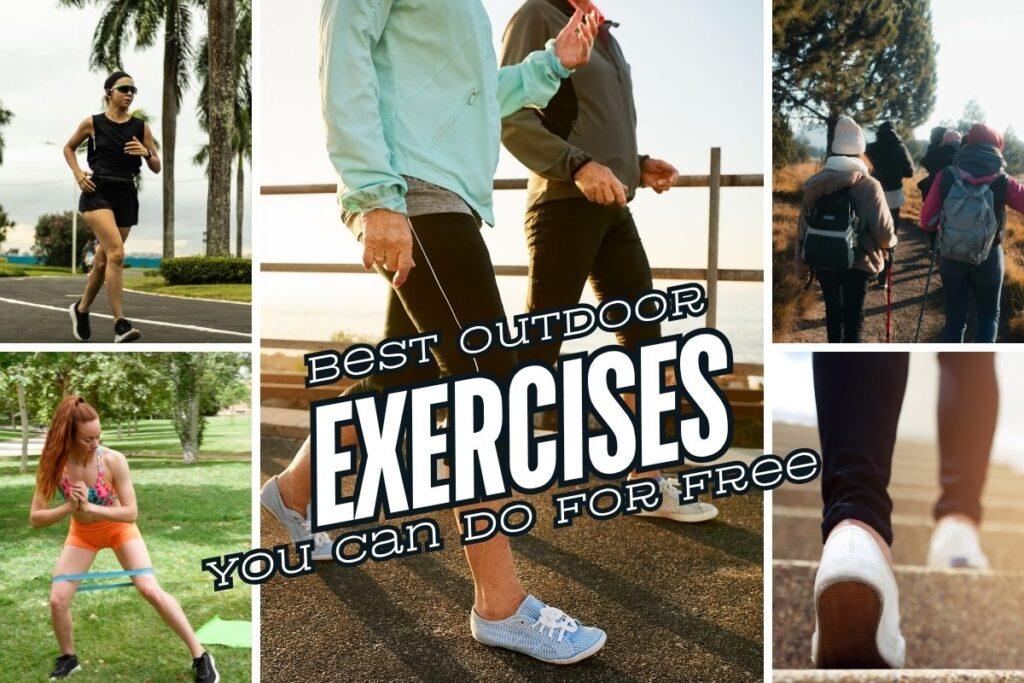
Quick answer: if you want free, effective ways to get fit, walking, running, bodyweight circuits, stairs, hiking, cycling, jump rope, outdoor yoga, bench step-ups and sprint intervals cover cardio, strength, balance and flexibility — no gym, no equipment, no membership needed.
Who this is for: beginners easing back into exercise, anyone who’s cancelled a gym membership and doesn’t want another one, and people who just prefer moving outside to moving on a machine indoors. You don’t need any prior fitness level to start with the easier options on this list.
Not just my opinion either. There’s been a real shift toward outdoor training lately, and when you dig into why, a pattern shows up again and again: the same session just feels easier outside than on a treadmill. Not sure why exactly, maybe it’s the scenery distracting you from how tired your legs are. Cortisol tends to drop more too. Mood lifts more. And the thing that matters most, probably people actually keep doing it. Which is more than I can say for most gym memberships I’ve paid for and abandoned by February.
So here’s ten free outdoor exercises worth trying. Some of these you already know. A couple might catch you off guard.
- All ten exercises are free and need little to no equipment.
- They cover four areas: cardio, strength, balance and flexibility.
- Outdoor exercise tends to feel less tiring than the same workout indoors, and it’s linked to lower stress and better mood.
- Consistency beats intensity — pick two or three you’ll actually enjoy rather than the “hardest” ones on the list.
- Suitable for beginners right through to people wanting a tougher, more athletic session.
Why Bother Training Outside At All
Before the list.Quick detour, because I think this part gets glossed over too fast most of the time.
Indoor workouts aren’t bad, to be clear. But something about daylight and uneven ground and just… being outside changes how your body handles the same effort. Here’s roughly why, based on what keeps showing up in the research:
It feels less exhausting, even at identical intensity; nobody’s quite sure why, but it’s consistent. Natural light and green space seem to take the edge off stress genuinely. People stick with it past that brutal two-month mark where most resolutions quietly die. And it costs nothing, which honestly should be reason enough on its own.
1. Walking — Yes, Really

Almost left this off the list because it felt too obvious to even mention. But it’s still one of the most researched, most accessible things you can do, and it doesn’t care what shape you’re in.
Thirty minutes most days is plenty to start. Want more out of it? Pick up the pace every few minutes, or find a hill somewhere. Even a mild incline changes things more than you’d expect.
Basically works for anyone, but especially good if you’re just easing back into movement.
2. Running or Jogging

The classic. Brutal on the lungs, in a good way, and all you really need is decent shoes.
If you’re new, please don’t go run three miles on day one. You’ll hate it and quit by Tuesday. Run-walk intervals work way better a minute running, two minutes walking; repeat that for a while. Stretch the running parts out slowly over the following weeks. If pavement’s rough on your knees, find a trail instead. Softer ground makes a bigger difference than most people assume.
Also read: 12 Simple Exercises That Help You Burn the Most Calories
3. Bodyweight Circuits
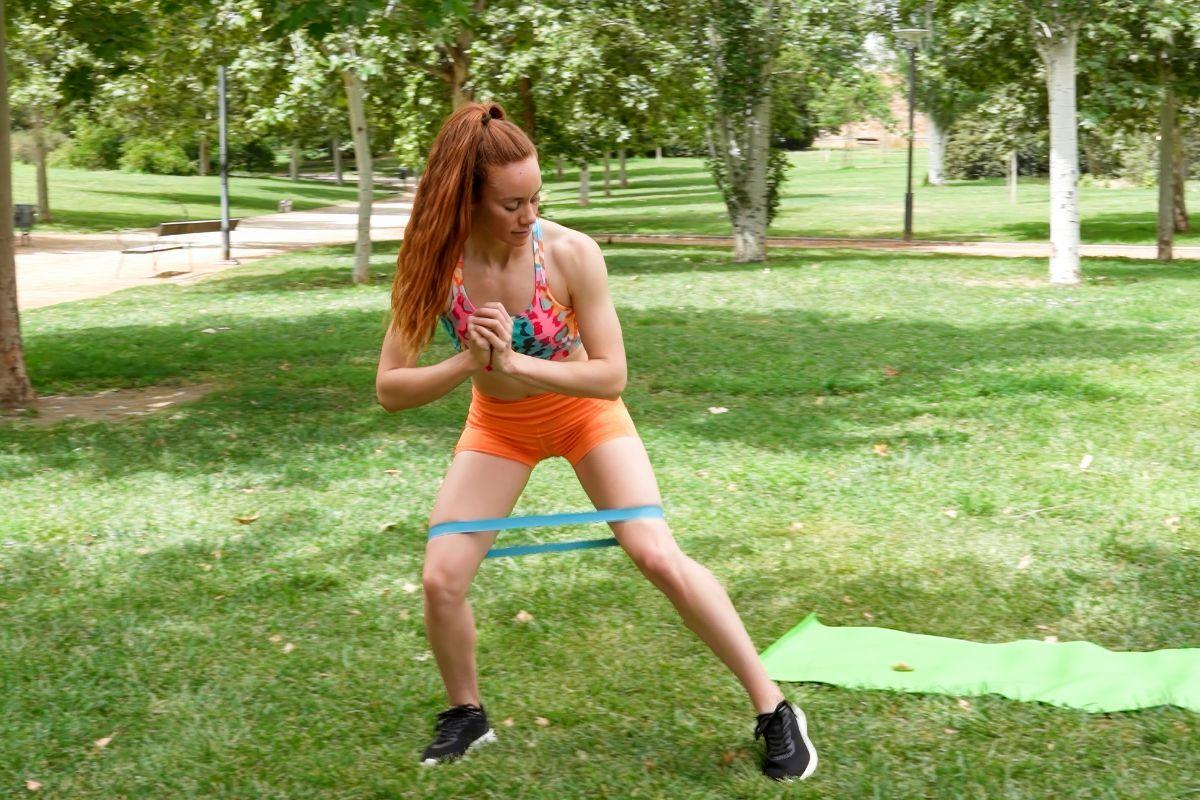
No equipment needed here at all just you, some grass, maybe a bench. Push-ups, squats, lunges, planks, glute bridges. That’s a full-body session right there.
A circuit I like: 15 squats, 10 push-ups, 12 lunges each leg, 30-second plank. Run through that three or four times and you’ll feel it the next day.
4. Stairs

Underrated, honestly. Find a public staircase, stadium steps, or even a steep hill trail, and your legs and lungs will both be working overtime within a few rounds.
Climb up, walk down to recover, repeat maybe 10-15 times. Once that feels manageable, try jogging the climb instead of walking it.
Also read: Hack Squat vs Leg Press: Which Is Actually Better?
5. Hiking
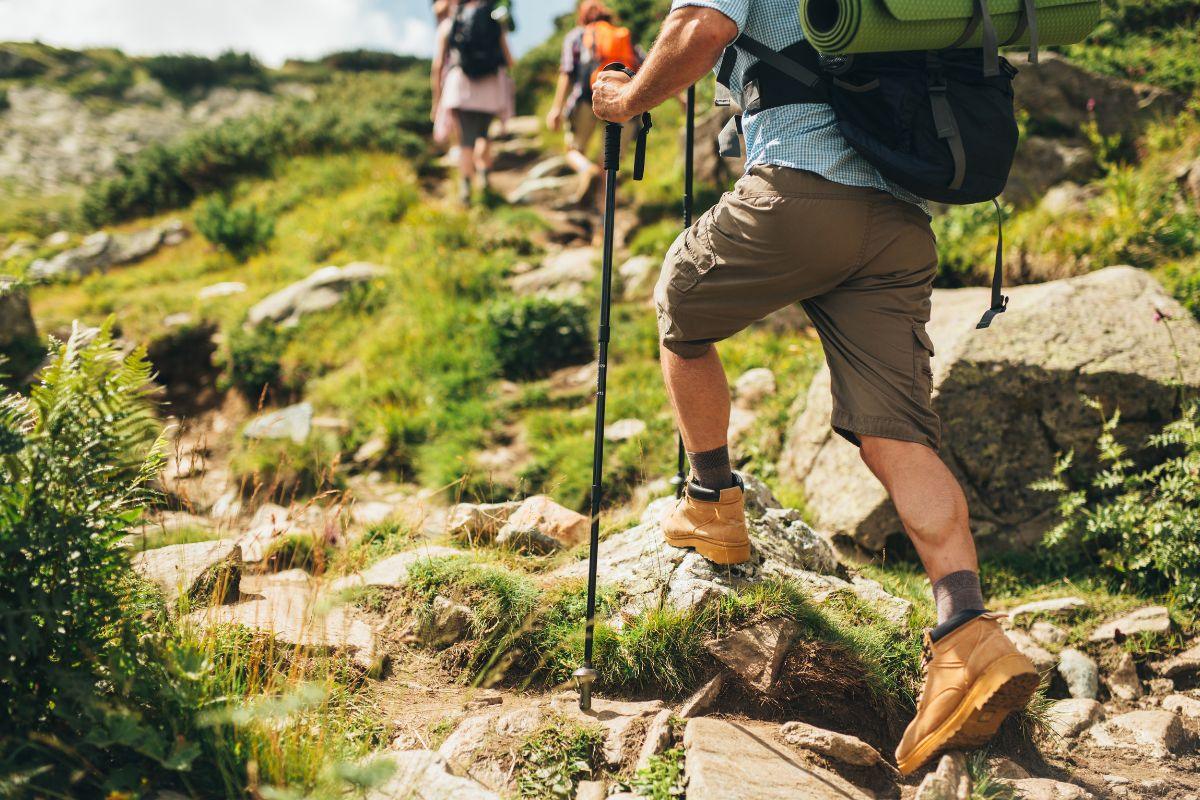
Out of everything on this list, hiking is probably the one that does the most for your head, not just your body. Uneven trails force constant small balance adjustments, which quietly works muscles that flat ground never touches. And there’s something about being fully out in nature for an hour that a 20-minute jog around the block just doesn’t replicate.
Start on flat, marked trails if you’re newer to it. Work your way toward routes with real elevation gain once you’ve got a base.
Also read: The Five Spa Capitals of the World
6. Cycling
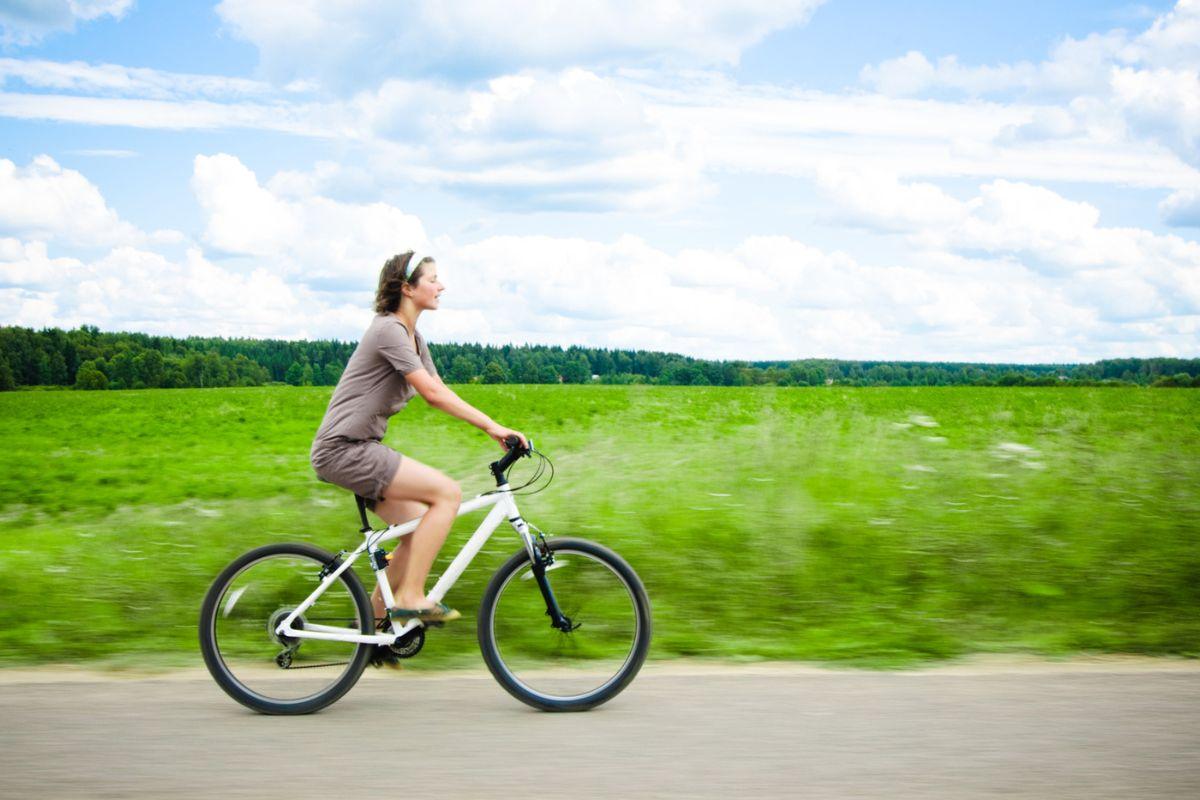
Whether it’s your own bike or one you borrowed from a friend years ago and never gave back cycling is a great way to build cardio fitness without hammering your knees the way running can.
Mix in flat rides for endurance and hillier ones for leg strength. Even biking somewhere you’d normally drive counts.
7. Jump Rope
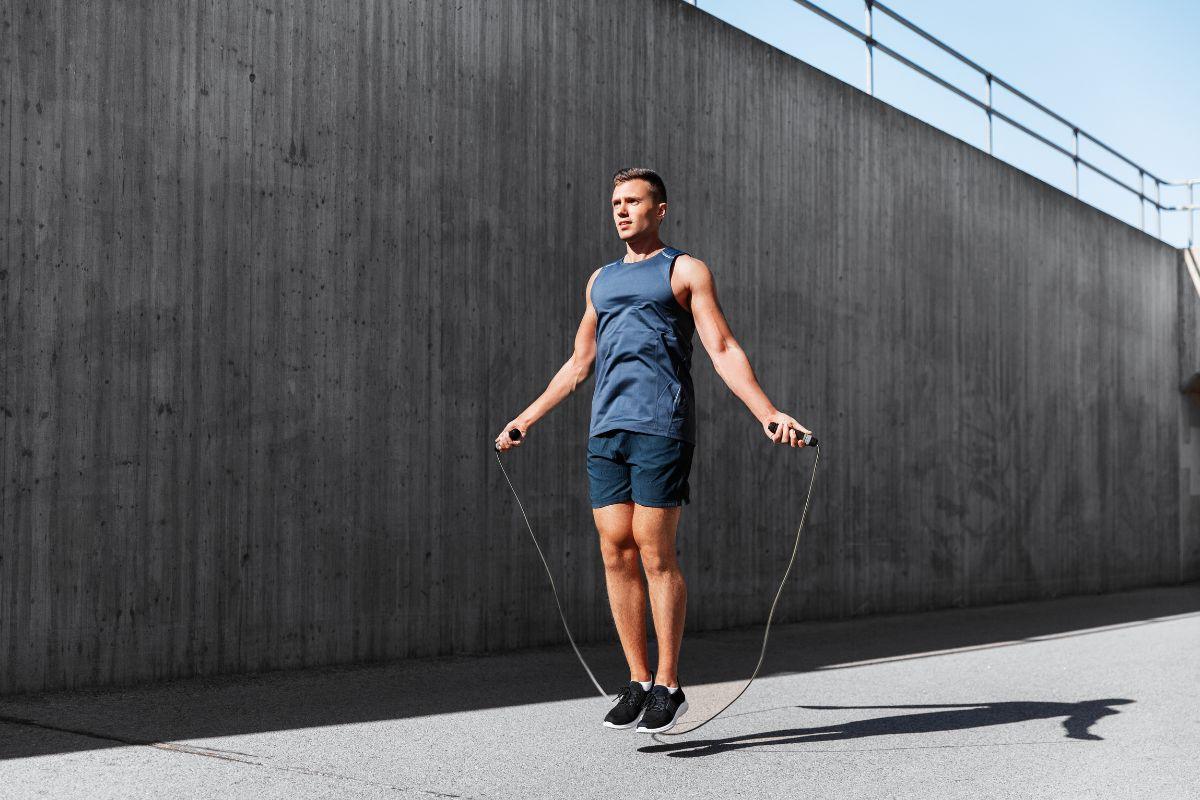
Cheap, small, ridiculously effective. A few minutes of jump rope can match the calorie burn of a much longer jog, which is wild when you think about it.
Start with 30 seconds on, 30 seconds off. Build from there until you can go continuously for a few minutes straight.
8. Outdoor Yoga
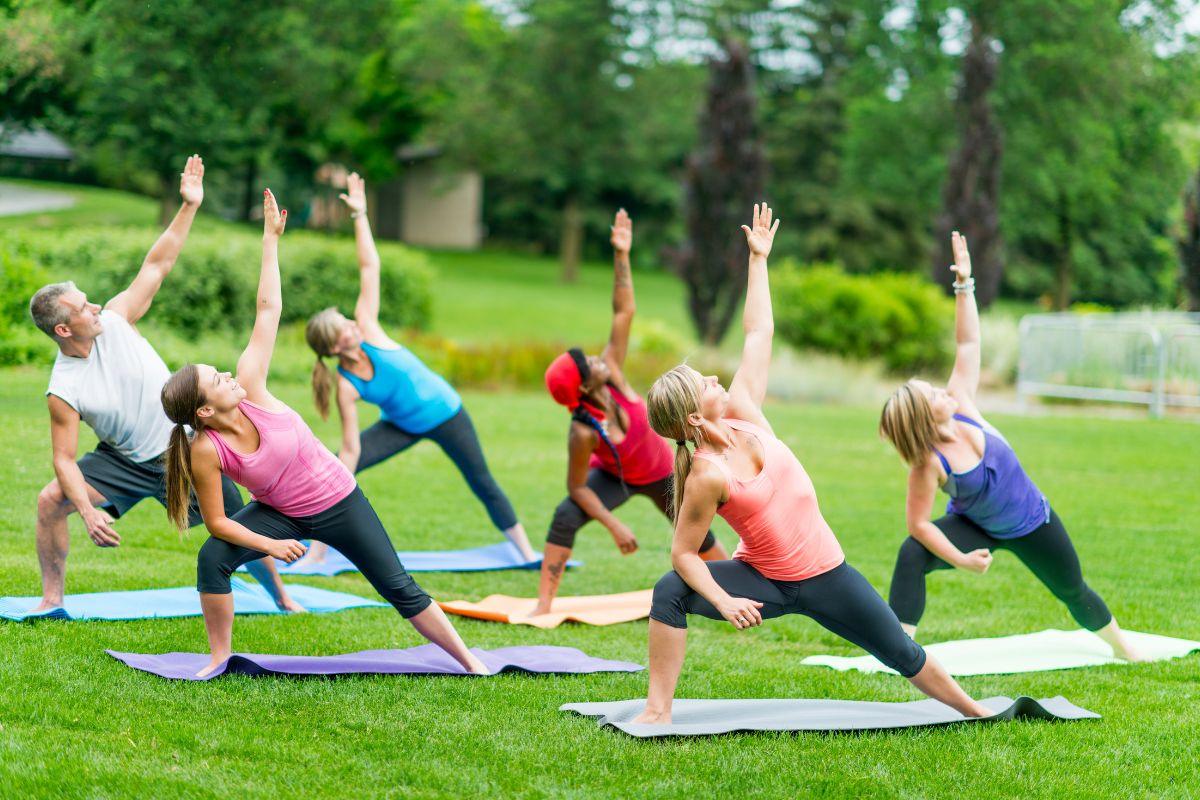
Doing yoga on grass or sand instead of a flat studio floor adds this subtle instability that actually makes your core work harder without you noticing. Combine that with fresh air and it tends to lower stress in a way indoor yoga sometimes doesn’t quite match.
A simple flow sun salutations, downward dog, a few warrior poses, ending in a seated stretch is enough for a solid 20-30 minute session.
9. Park Bench Step-Ups and Dips

Any bench, ledge, or low wall works here. Step-ups target single-leg strength and balance. Dips off the edge of a bench hit your arms and shoulders. It’s basically free gym equipment hiding in plain sight at every park.
Three sets of 12-15 step-ups per leg, then three sets of 10-12 dips. Simple, but it works.
Also read: 10 Healthy Habits to Start in Your 30s for Long Life
10. Sprint Intervals
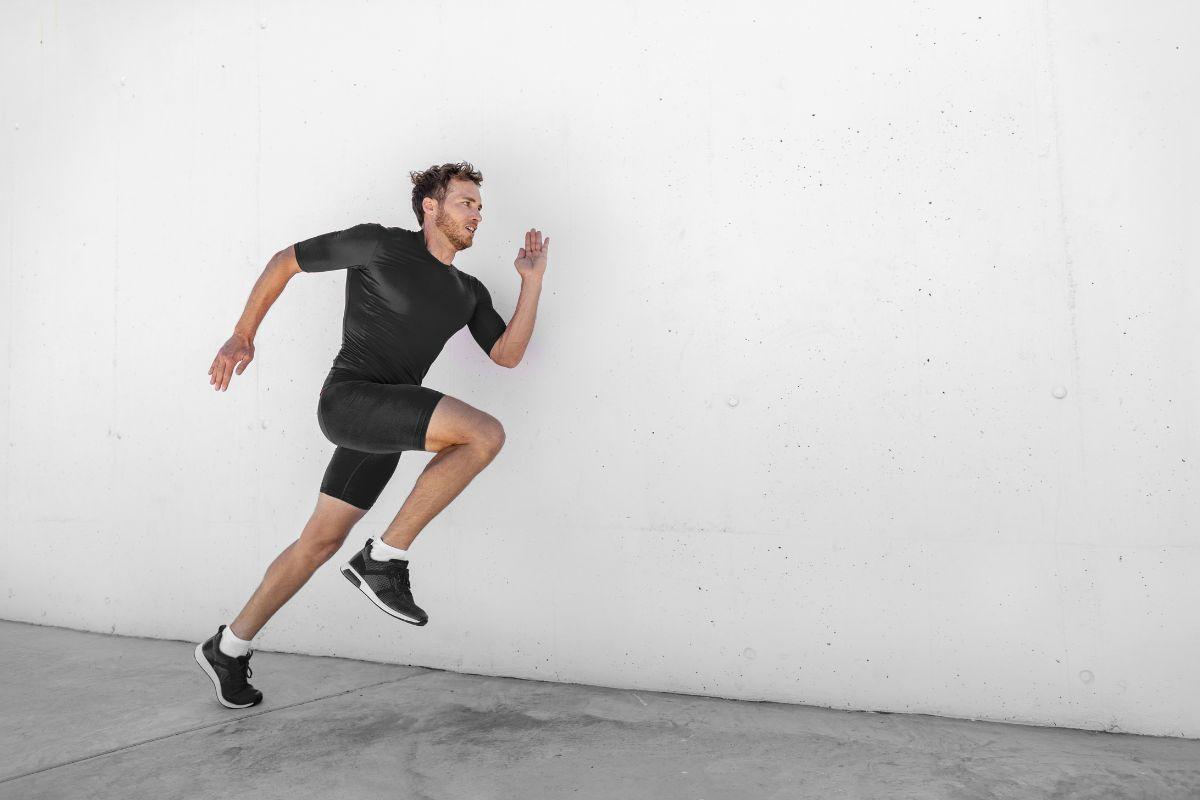
If you only have ten minutes, this is where to spend them. Short, hard sprints followed by rest builds speed, power, and cardio fitness all at once.
Sprint 20-30 seconds at full effort, then walk or jog for a minute or so to recover. Repeat six to eight times and you’ll be gassed by the end.
Putting Together a Weekly Routine
You don’t need all ten in one week that’s a fast track to burnout. Something more realistic:
Two days of bodyweight strength work. Two days of cardio, whatever form you enjoy most running, biking, jump rope. One longer hike or walk. One day of yoga or stretching. And one day of actual rest, or just an easy walk if you can’t sit still.
Switch things up every few weeks so your body keeps adapting, and you don’t get bored halfway through spring.
Bottom line
None of this requires a gym card. Walking, running, bodyweight moves, stairs, hiking, biking, jump rope, yoga, bench work, sprints between them you’ve got cardio, strength, flexibility, and balance covered, and it costs exactly nothing. Pick two or three that actually sound appealing, not just the ones you think you “should” do, and start there. The workout you’ll keep showing up for beats the perfect one you’ll quit in a week.
FAQ’s
Does outdoor exercise burn more calories than the same workout indoors?
Not dramatically more for identical movements, but wind, temperature, and uneven ground do add a small extra demand your body has to account for.
What’s the best one for weight loss specifically?
Sprints and jump rope burn the most per minute, but honestly the workout you’ll actually keep doing beats the “best” one you quit after two weeks. Consistency wins over intensity almost every time.
Do I need any gear at all?
Not really. Comfortable shoes and clothes you can move in cover most of this list.
Is it fine to do this every single day?
For most people, sure, just don’t stack high-impact days back to back. Give your legs a break between sprint or run days. Watch the air quality if it’s a bad day, and drink more water than you think you need in the heat.
What should I actually wear?
Moisture-wicking clothing, shoes suited to whatever terrain you’re on, and sunscreen if you’re out for more than 20 minutes. In cold weather, layers beat one thick jacket.
Sources & References:
- 6 Benefits of Outdoor Exercise
- Outdoor Physical Activities: Top 10 for Fitness in 2026
- Top 6 Outdoor Exercises for Seniors in 2026
- Top Outdoor Cardio Exercises for Parks and Fitness Trails (2026)
- Outdoor Fitness Routines: Your Complete Guide to Getting Fit Outside
- Outdoor Workouts Offer Health Benefits Beyond The Gym