
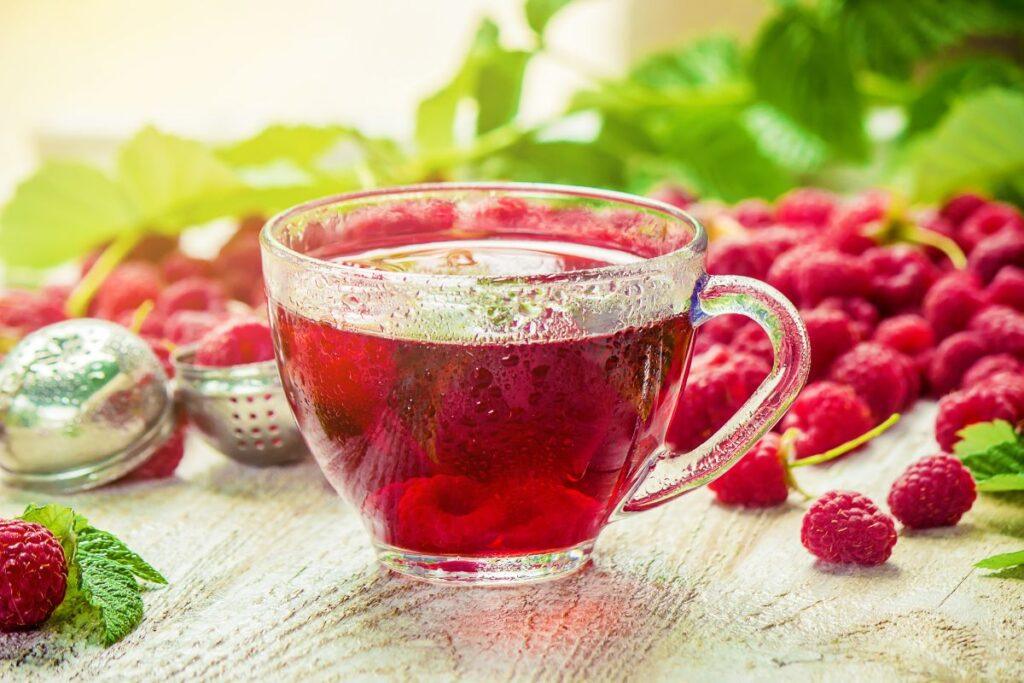
There’s something almost quietly stubborn about raspberry leaf tea. It never needed a wellness trend to survive. Brewed from the leaves of Rubus idaeus – yes, the same plant as your summer raspberries – it’s been passed between women for centuries as a remedy for cramps, a support through late pregnancy, and a simple daily habit worth keeping. No caffeine, no complicated prep. Women have chosen to drink raspberry leaf tea for generations – long before anyone thought to study it properly. The 2025 clinical trial didn’t discover anything new. It just finally put numbers to what people already knew.
- Made from Rubus idaeus leaves, not the fruit
- Caffeine-free and rich in polyphenols, tannins, and flavonoids
- A 2025 clinical trial confirmed it significantly reduces post-meal blood sugar spikes
- Widely used in pregnancy from 32 weeks, though evidence remains mixed
- The NHS advises certain groups to avoid it entirely
What Is Raspberry Leaf Tea?
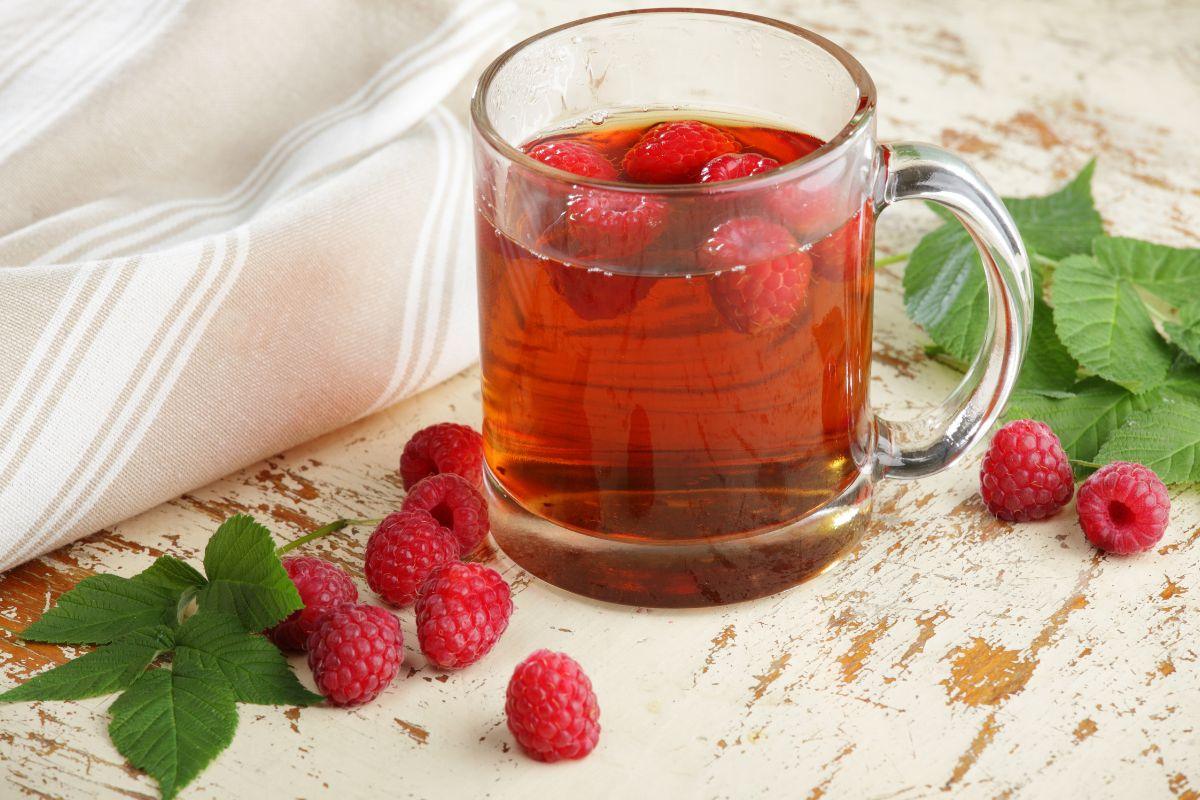
Dry the leaves, steep them in hot water, and what you get is something mild and earthy – sitting somewhere between green tea and a light black tea, slightly astringent, clean, and entirely caffeine-free. The flavour is understated. The contents are not. Inside the leaf, you’ll find polyphenols, tannins, flavonoids, ellagic acid, and a plant-specific compound called fragarine. There’s also a decent mineral profile – magnesium, potassium, iron, calcium – the kind that quietly matters for muscle function, blood pressure, and energy levels. It’s not a supplement. But it’s nothing either.
Also read: 10 Healthy Habits to Start in Your 30s for Long Life
The 2025 Clinical Trial: The Most Current Science Available
The biggest study to date – still the one everyone points to in 2026 – came out in September 2025. Published in the journal Nutrients, the study was led by Alkhudaydi and Spencer at the University of Reading. First controlled human trial of its kind. They wanted to know what actually happens to blood sugar when you drink raspberry leaf tea with a sugary meal. Turns out, quite a lot. Blood glucose fell 25.6% at the 15-minute mark. By 30 minutes, that drop was 43.6%. Insulin levels followed the same pattern – measurably lower at 15, 30, and 60 minutes post-meal. Why does this happen? The ellagic acid-rich polyphenols in the leaves block two enzymes – α-glucosidase and β-fructofuranosidase – that normally break sucrose down fast. Slow the enzymes, slow the sugar spike. One more thing the trial picked up: brewing time is not a small detail. Five minutes in freshly boiled water. That’s what it takes to pull the highest concentration of polyphenols out of the leaf. Steep it for less, and the compounds don’t fully release. If you’re someone who watches what happens to your body after a sweet meal, that’s genuinely useful to know.
Health Benefits of Drinking Raspberry Leaf Tea
Blood Sugar Control – New 2025 Clinical Evidence
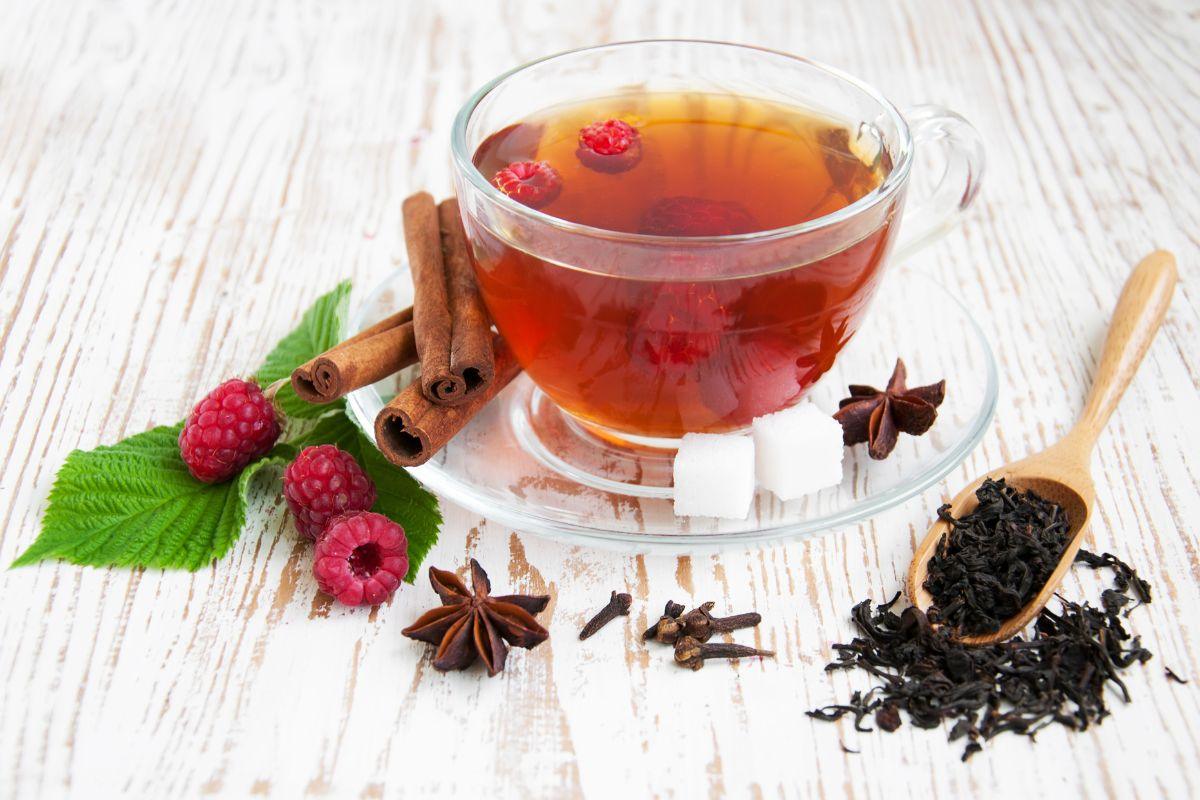
The strongest case for raspberry leaf tea right now sits in a 2025 clinical trial out of Nutrients. Researchers gave healthy adults raspberry leaf tea alongside sucrose – plain table sugar – and watched what happened. Blood sugar spiked less. Insulin spiked less. Both dropped noticeably compared to the control group. Here’s the interesting part, though. When the same tea was paired with pure glucose instead of sucrose, the effect basically disappeared. That tells you something. It’s not blocking glucose absorption. It’s slowing how fast sucrose gets broken down in the first place. The polyphenols in raspberry leaves appear to interfere with the digestive enzymes that handle that job. More trials are still needed – one study doesn’t close the conversation. But what’s there is promising, especially if sugary meals tend to hit you hard. Brewed right, this tea may take some of the edge off that response.
Also read: How Long Does It Take for Dissolvable Stitches to Dissolve?
Menstrual Cramp Relief
One of the oldest reasons women drink raspberry leaf tea is for period pain. The compound fragarine, found specifically in raspberry leaves, is thought to tone and relax the pelvic muscles – potentially reducing the intensity of cramping caused by uterine contractions during menstruation. The evidence here is largely anecdotal, but the biological mechanism is well understood, and it remains one of the most common reasons women reach for this tea.
Antioxidant and Anti-Inflammatory Properties
Lab studies have looked at what raspberry leaf extract does to inflammatory markers in cell models – and the results keep pointing in the same direction. Flavonoids, phenolic acids, and a compound called sanguiin H-6 all appear to play a role in dialling down inflammation. No large-scale human trials yet, so there’s a ceiling on how far you can take these claims. But the consistency across multiple studies is hard to dismiss entirely.
Also read: UK Health Guide 2026: Symptoms, Recovery Times & NHS Advice
Support in Late Pregnancy
This is probably where raspberry leaf tea has the longest reputation. Women have been drinking it in late pregnancy for generations – the idea being it helps the body get ready for labour. Some studies back this up to a degree. Fewer interventions, shorter labour phases, and less need for augmentation or a caesarean. But the research is patchy. Results vary, trial sizes are small, and no one has conducted the kind of large randomised controlled study that would settle the debate properly. So the evidence is there, just not solid enough yet to make a definitive statement. If you’re pregnant and considering it, that’s a conversation for your midwife – not something to navigate alone based on what’s currently published.
Nutrient Profile at a Glance
| Nutrient / Compound | Role |
| Fragarine | Tone the pelvic and uterine muscles |
| Ellagic acid | Antioxidant; inhibits sucrose digestion |
| Flavonoids & tannins | Anti-inflammatory, antimicrobial |
| Magnesium | Muscle relaxation, nerve function |
| Iron | Supports red blood cell production |
| Potassium | Blood pressure and fluid balance |
| Vitamin C | Immune support |
Who Should Avoid Raspberry Leaf Tea
Not everyone should drink raspberry leaf tea. The NHS advises avoiding it if you are planning a caesarean section, carrying twins, have had a previous C-section, or have gestational diabetes. It may also interact with medications, including those for diabetes and certain antidepressants. A mild laxative effect or increased urination is possible in some people, and in early pregnancy, it may carry a small risk due to its potential effect on uterine contractions.
The NHS recommends waiting until at least 32 weeks of pregnancy – and always speaking to your midwife first.
Also read: How Long Does a Chest Infection Last? UK Recovery Guide
How to Brew It Correctly
The 2025 University of Reading clinical trial confirmed that the preparation method actually matters. Steeping for exactly five minutes in freshly boiled water delivered the highest polyphenol content. Over-steeping can increase tannin levels and make the tea overly bitter without adding benefit.
A standard serving is one teabag or one teaspoon of loose-leaf in 200–250ml of boiling water, steeped for five minutes. Most people drink one to two cups per day outside of pregnancy.
FAQ
Q. Is raspberry leaf tea safe to drink every day?
A. For healthy adults who are not pregnant, one to two cups daily is generally considered safe. Always check with your GP if you take prescription medication.
Q. Does raspberry leaf tea taste like raspberries?
A. No. It has a mild, earthy, slightly astringent flavour – closer to green tea than fruit.
Q. Can men drink raspberry leaf tea?
A. Yes. The blood sugar and anti-inflammatory benefits apply regardless of gender. The plant compound fragarine is specific to pelvic muscle toning but is not harmful to men.
Q. When should pregnant women start drinking it?
A. Based on NHS guidance, not before 32 weeks – and only after speaking to your midwife.
Q. Does it actually help with labour?
A. The evidence is promising but not conclusive. Some studies show fewer interventions and shorter labour phases, but large-scale randomised trials are still lacking.
Sources & References
- Alkhudaydi, H.M.S., Spencer, J.P.E. – Effects of Raspberry Leaf Tea Polyphenols on Postprandial Glucose and Insulin Responses in Healthy Adults, Nutrients (2025), DOI: 10.3390/nu17172849. Published via PubMed Central
- SingleCare – 7 Health Benefits of Raspberry Leaf Tea, Medically reviewed, March 2025
- Rupa Health – Top Health Benefits of Red Raspberry Leaf Tea, Dr Kristin Robinson, ND, updated March 2026
- NHS / HotTea Mama – When Not to Drink Raspberry Leaf Tea (NHS guidance referenced)
- Committee on Toxicity (COT), UK Food Standards Agency – Statement on the Potential Health Effects of Raspberry Leaf Tea in the Maternal Diet, updated November 2024
- Mother & Baby – Raspberry Leaf Tea in Pregnancy, updated May 2026