

The count of Lyme disease cases has shown an upward trend in the UK. Health experts are blaming the growth of the tick populations and disturbances in the weather for this bacterial infection.
According to the UK Health Security Agency (UKHSA), there is a jump of 22% in the cases of Lyme disease.
These stats have raised eyebrows about how many ticks have multiplied. Experts say their quantity has grown in several parts of the UK, such as urban green areas.
At the same time, scientists are working day and night on new vaccines and treatments to reduce the risk of Lyme disease in the future.
- England had a 22% rise in confirmed Lyme disease cases in 2025
- Warm winters are helping ticks to survive
- Tick populations are spreading into wider areas across the UK
- Researchers are also seeing higher tick activity in some urban green spaces
- New Lyme disease vaccines and anti-tick treatments are currently being developed
England Sees Another Rise in Lyme Disease Cases
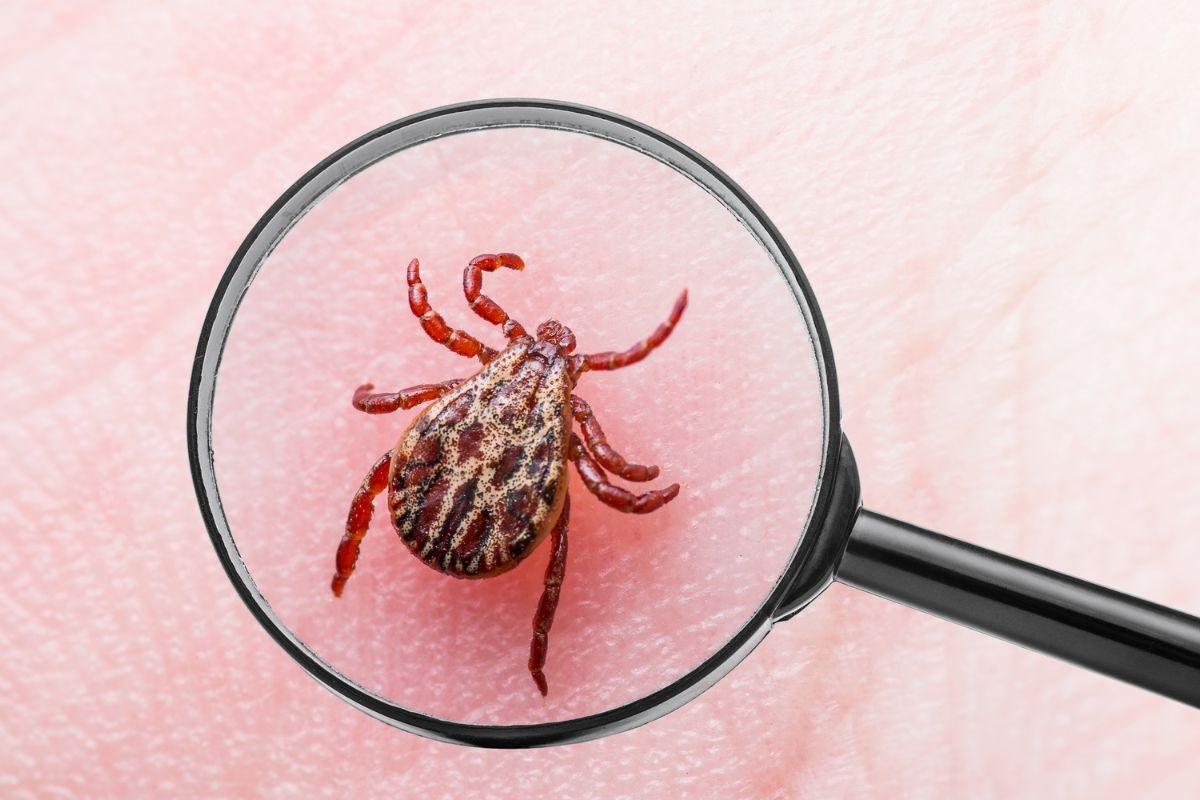
The report of the UKHSA shows England had 1,168 laboratory-confirmed Lyme disease cases in 2025. In 2024, it was 959 cases.
The Guardian compares the numbers from the past years, and they are not good. However, experts say that annual numbers can be up and down based on testing levels, public awareness, and weather conditions.
One thing that experts have agreed to is that the population of ticks has increased for sure in recent years in Britain.
Dr Claire Gordon, head of the rare and imported pathogens laboratory at UKHSA, said: “In recent years, we have seen an increasing geographical distribution of ticks across the UK.”
This endemic is a matter of big concern for public health teams, especially in warm months when tick activity is more common.
Warm Weather is Helping Ticks to Survive
The interesting thing is that the ticks have been found in large amounts in warm places.
Ticks are known to survive long in humid conditions. Recent winters have not been that cold, and this has given ticks a path to survive and spread. It means that they are not dying in the winter. They are actually growing.
Speaking to BBC Somerset, ecologist Nathan Orr said the recent warm weather conditions are a key factor responsible for the swell of ticks.
“We think the warmer and wetter weather this winter hasn’t caused a die-out of populations you would normally see when it’s a much colder winter,” he explained.
If the weather is like this for a long time, then you can witness more cases of Lyme disease in the UK.
Apart from habitat changes, the surge in wildlife movement is a main factor. Animals such as deer, birds, and small mammals carry ticks in their bodies, and when they move from forest to urban areas, they also take ticks with them.
Also read: The Dangers of Ignoring Acid Reflux and Why You Shouldn’t Delay Treatment
Lyme disease is No Longer a Countryside Issue
Many people are under the delusion that Lyme disease is only active in woodland walks and rural areas. This is not the case.
A study by Daniel Cameron, MD, says that urban parks and green spaces are also the epicentre of ticks. There has been a 30% increase of ticks in some urban woodland areas.
The same study found that the number of Ixodes ricinus ticks in the UK increased by 42% between 2010 and 2017.
Moreover, this does not mean every local park is at risk or that you should stop going to parks. It simply means Lyme disease is not limited to remote countryside locations.
As more animals are going towards towns and suburban green spaces, they are leaving ticks behind.
Also read: UK Health Guide 2026: Symptoms, Recovery Times & NHS Advice
What are the Symptoms of Lyme Disease?
Lyme disease is caused by bacteria called Borrelia burgdorferi. This bacterium can be passed to the human body with the bite of an infected tick.
You may be surprised to know that not all ticks are infectious. Nathan Orr told the BBC that only 5% of ticks carry Lyme bacteria.
The individual who gets the infection of Lyme has circular rashes on the body. It looks like a bullseye. According to the Britain Herald, some of the other symptoms are:
- Fever
- Fatigue
- Muscle aches
- Joint pain
- Headaches
The individual who has recovered from the condition diagnosed it early and took antibiotics on time. However, if you pass the diagnosis stage, you can experience the symptoms for months after treatment.
Howard Carter, an insect and tick bite prevention expert, warned that Lyme disease “can ruin people’s lives.”
Also read: 10 Healthy Habits to Start in Your 30s for Long Life
Scientists are Working on Vaccines and Treatments
As cases are not taking the name to stop, pharmaceutical companies are trying to develop better medication against Lyme disease.
Moderna is currently developing an mRNA vaccine. It is in the phase 2 clinical trials. Pfizer and Valneva are two other vaccines that are still in trial.
Researchers are also looking for treatments to eliminate ticks from the root.
One treatment being studied is lotilaner, a drug already used to protect pets from ticks and fleas. Scientists believe it may help stop Lyme disease.
How People Can Reduce the Risk of Tick Bites
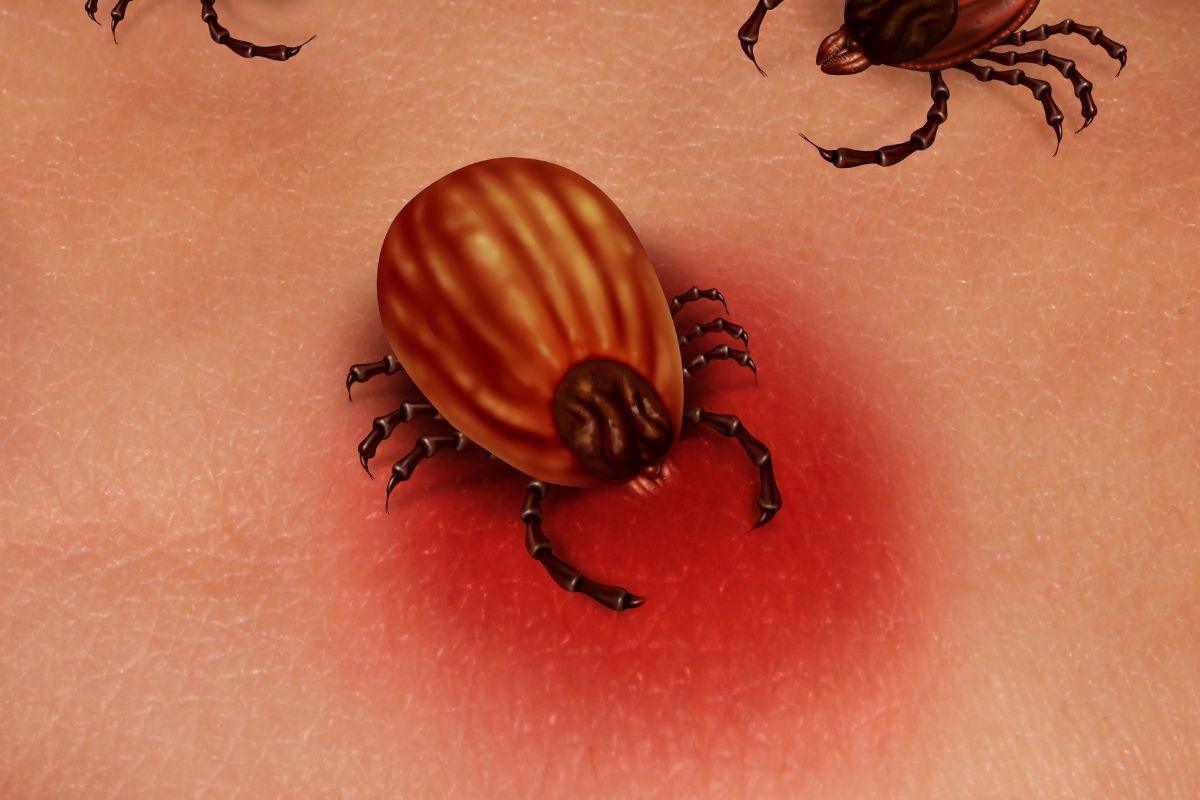
Health experts say that there is no need to avoid the outdoors or panic. You should take some simple precautions when spending time in grassy or wooded areas.
- Wear long trousers or try to cover most of your body with clothes
- Use insect repellent
- Check for ticks after walks
- Remove ticks if you found any
- Wear light-coloured clothes to find ticks with your eyes
As tick populations are on the rise across the UK, awareness and early action are the best forms of protection.
Sources and References:
- The Guardian – Compares the number of cases of Lyme disease.
- Britain Herald – Symptoms of Lyme Disease.
- BBC – The Converstaion of Nathan Orr with BBC.
- Daniel Cameron MD – Urban parks and green spaces are epicentres of ticks.





It’s arduous to search out knowledgeable people on this subject, however you sound like you already know what you’re speaking about! Thanks