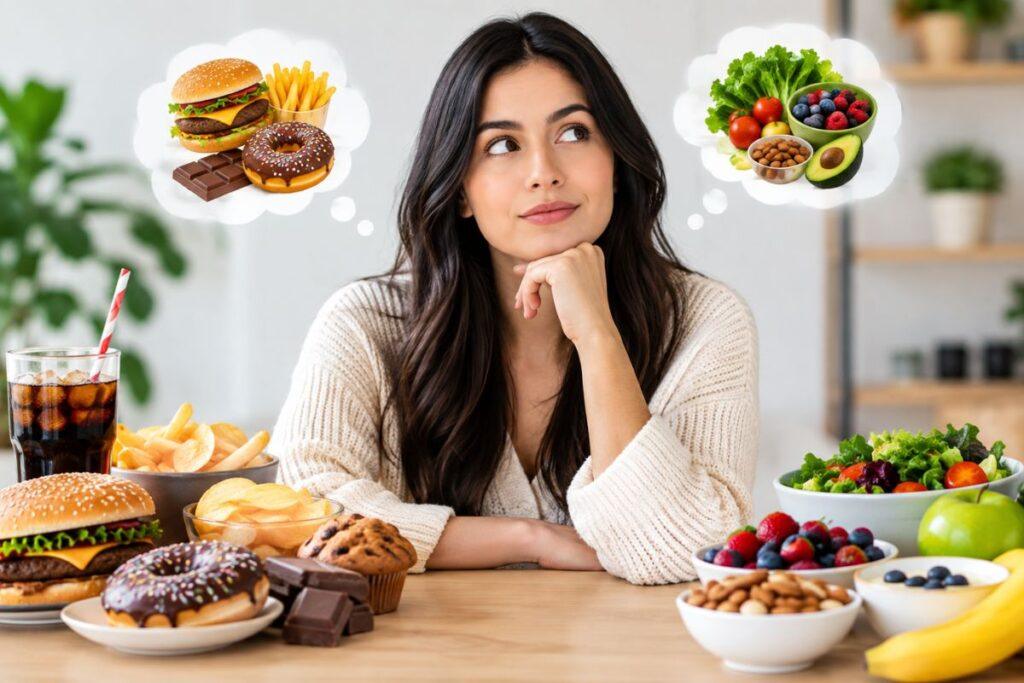
It’s 9 pm. You’re standing in front of the fridge, hunting for something sweet or salty. Sound familiar? Almost everyone does this. But is your body actually asking for something specific? Or is it just stress, habit, or clever food marketing? New research from late 2025 and early 2026 gives us better answers than the old “craving chocolate means you need magnesium” myth.
- Cravings are usually driven by stress, habit, sleep, and hormones — not a specific missing nutrient.
- A 2025 Vanderbilt trial found that snacking on nuts instead of carbs cut cravings for sweets and fast food.
- Foods that look instantly ready to eat feel more tempting, so prepping healthy food in advance helps.
- Balanced meals with carbs, protein, and fat reduce craving spirals later in the day.
- New habits take about four to six weeks to stick, so consistency matters more than willpower.
A Craving Is Not the Same as Hunger
A craving isn’t your body simply asking for fuel. Erin Holley, a registered dietitian at Ohio State University’s Wexner Medical Center, says a food craving is a strong desire for one specific food. It’s often separate from real hunger. It can be emotional. It can be psychological. That’s a key point. Instead of asking, “What nutrient am I missing?” a better question is, “What’s actually driving this urge right now?”
Cravings light up the brain’s reward system. This is the same system involved in other pleasures. That’s why food can feel like a treat after a hard day or a way to cope with stress or sadness. Holley also points to habit. If you learned to comfort yourself with food as a kid, you’re more likely to reach for food as an adult when you’re stressed. So a craving can be physical. It can be emotional. Most of the time, it’s both at once.
Also Read: Should You Drink Raspberry Leaf Tea? Benefits, Safety & What Science Says in 2026
What the Newest Research Actually Shows
A few studies from the past few months add real evidence to this topic—and go well beyond the old “craving charts” you see online.
Nuts seem to cut cravings for sweets and fast food. A trial from Vanderbilt University Medical Center, published in the journal Nutrients in December 2025, followed 84 young adults at risk of metabolic syndrome for 16 weeks. One group ate a handful of mixed tree nuts twice a day. The other group ate a carb-based snack with the same calories. The nut group reported fewer cravings for sweets and fast food. Their diet quality also improved—more healthy fats, less sugar. This is strong evidence that what you snack on can actually retrain your cravings, not just fill you up for an hour.
Foods that look ready to eat feel harder to resist. Researchers at the University of Aberdeen found that people crave food more when it looks instantly edible. A peeled orange felt more tempting than one still in its skin. An open bag of crisps felt more tempting than a sealed one. This effect was strongest when comparing raw food to cooked food. It was also stronger in people who were already hungry. The researchers pointed out that fast food ads use this trick all the time—showing burgers ready to eat, while healthy food (like raw broccoli or salmon) is shown needing prep. Their advice: prep your healthy food ahead of time. Chop it. Cook it. Make it grab-and-go. That alone makes it more tempting.
Just picturing food in your head might trigger cravings too. Researchers at the University of Otago have been studying something called sensory mental imagery—basically, how vividly you can picture, smell, or taste food in your mind. People who imagine food more vividly tend to report stronger cravings. This might explain why cravings can hit you out of nowhere, with no food anywhere in sight. Sometimes the trigger isn’t outside you. It’s in your head.
Pregnancy cravings are finally being studied properly. Instead of treating “pickles and ice cream” as a joke, researchers are now studying pregnancy cravings as their own topic. They’re looking at how hormones, mood, and the body’s changing needs during pregnancy shape what people crave.
The Sweet vs. Salty Split Is Real
This isn’t random. Across many studies, men tend to crave salty or savory food more. Women tend to crave sweet food more. Research comparing British and Greek Cypriot groups found something interesting too: culture shapes how people even talk about cravings. Some languages don’t have an exact word for “craving.” But the pattern still holds—women lean toward sweets, men lean toward salty or meaty food—no matter the culture. This tells us cravings come from both biology (hormones, taste buds) and culture. Not just one or the other.
Also Read: Ayurvedic Wellness Rituals: Timeless Practices to Elevate Modern Life
So What Is a Craving Actually Telling You?
Here’s the honest answer. It’s more complicated than the popular “craving equals deficiency” idea.
It’s rarely about a missing nutrient. The idea that craving chocolate means you’re low on magnesium, or craving steak means you’re low on iron, sounds neat. But there’s not much solid proof behind it. Cravings link far more closely to stress, poor sleep, habit, and hormones than to one missing nutrient.
It often points to how you’re eating, not your willpower. Skip meals. Go too long without protein or fat. Your hunger hormones stay unsatisfied—and cravings hit harder later. A meal without a mix of carbs, protein, and fat won’t leave you feeling full. So your body looks for something else soon after.
It can be stress or emotion wearing a food disguise. Certain foods trigger the same brain reward system as other comforts. So reaching for them when you’re stressed, sad, or bored is often a learned habit—not a biological need.
It’s shaped by what’s around you. Seeing, smelling, or even just picturing tempting food makes cravings stronger. That’s why cutting back on food shows, keeping treats out of sight, and never grocery shopping are actually what work.
Practical Ways to Manage Cravings
- Build balanced meals. Add carbs, protein, and fat to every meal. This keeps you fuller for longer and cuts down on cravings later.
- Prep whole foods ahead of time. Since ready-to-eat food gets craved more, keep chopped veggies, cooked grains, or cut fruit on hand. Make the healthy choice the easy one.
- Snack on nuts. The Vanderbilt study found that swapping crackers or biscuits for nuts cut cravings for sweets and fast food over time.
- Cut down on food exposure. Scrolling food videos, walking past bakeries, or keeping candy on your desk—all of this raises cravings, even when you’re not hungry.
- Try non-food comfort. A short walk. A few pages of a book. A moment to decompress after work. These can meet the same need food is being used for.
- Don’t beat yourself up. There’s no set timeline for cutting cravings. But new habits usually take four to six weeks to stick. Be consistent, not perfect.
Also Read: 12 Simple Exercises That Help You Burn the Most Calories
Frequently Asked Questions
Do cravings always mean I’m low on a nutrient?
No. Constant cravings for non-food items (called pica) can point to a deficiency, like low iron. But everyday cravings for sweet, salty, or fatty food are usually linked to stress, habit, sleep, and hormones—not one missing nutrient.
Why do I crave sugar more at certain times of the month?
Hormone shifts during your menstrual cycle are a well-known driver of stronger sweet cravings. This is part of why women report sugar cravings more often than men.
Can eating more protein cut cravings?
Yes. Protein, along with fat and fiber, keeps you fuller for longer than carbs alone. Diets with steady protein tend to come with fewer cravings between meals.
Does snacking on nuts really reduce cravings?
A 2025 trial found that adults who swapped their usual carb snacks for tree nuts, twice a day for 16 weeks, had noticeably fewer cravings for sweets and fast food—along with better overall diet quality.
How long does it take to break a craving habit?
There’s no fixed timeline. But most new habits take around four to six weeks to feel natural. Small, steady changes beat short bursts of willpower.
Sources & References
- Lillegard et al. (2025), Nutrients—Tree nut snacking reduces food cravings and improves diet quality
- University of Aberdeen (2023)—Readiness-to-eat food increases craving intensity
- Erin Holley, RD, Ohio State Wexner Medical Center (2026) — What are food cravings telling you?
- Peng, M. et al., Appetite—Sensory mental imagery linked to food craving and BMI