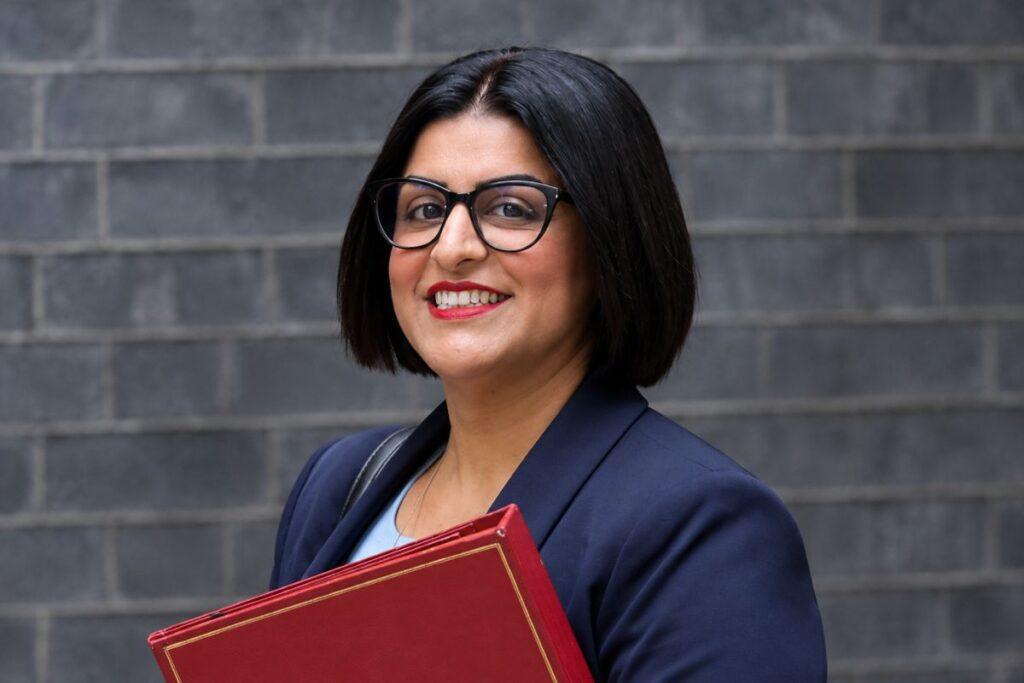
The UK has not banned visas for Eritreans yet, but it says it will if Eritrea doesn’t start taking back citizens who have no right to stay in Britain. On 15 October 2026 the Home Office scrapped preferential visa processing for Eritrean VIPs and officials, and Home Secretary Shabana Mahmood warned she will block all visas for Eritreans if Eritrea does not rapidly agree to returns. The announcement is a warning, not a ban already in force.
What Exactly Has Changed?
Two measures took effect immediately.
First, the preferential visa processing that Eritrean VIPs and government officials had is gone from 15 October. Second, Eritrean diplomats must get Foreign Office permission to travel more than 60 kilometres (37 miles) beyond London. The Home Office says this mirrors restrictions on British officials in Asmara.
The third measure is the threat. Eritrea must rapidly improve returns cooperation or face what the Home Office calls a total visa shutdown. That would reach ordinary applicants, not just officials. The statement gives no deadline.
Why is The UK Doing This?
The dispute is about returns. Removing a person whose asylum claim has failed, or a foreign national convicted of a crime, normally needs their home government to confirm nationality and issue travel documents.
InfoMigrants reports that a limited arrangement operated from 2024 until March 2026, under which Eritrea helped identify and document a small number of refused asylum seekers and foreign offenders. The Home Office says Eritrea abruptly withdrew returns co-operation this year, after months of private efforts to resolve it.
The pressure on ministers is clear from the figures. Eritreans were the most common nationality arriving by small boat in the year ending June 2026. The exact share depends on the source. One news report citing House of Commons Library figures puts it at 18%, while the Refugee Council’s analysis of the same government statistics gives 16%. The same report says only seven people were returned to Eritrea from the UK in those 12 months, citing Home Office figures.
What Does Eritrea Say?
Eritrea dismissed the move as a political gimmick and said the UK had not issued a visa to an Eritrean official since 2023. The Home Office denies that, saying the Eritrean commentary misrepresents the UK’s position and that an Eritrean official received an exemption from immigration control in August 2026.
Those are two governments’ competing accounts. I couldn’t find independent confirmation of either.
Has the UK Used Visa Penalties Before?
Yes. The Home Secretary said in her first week in post that she would impose visa penalties on countries refusing to take back their citizens. In November 2025 she threatened Angola, Namibia and the Democratic Republic of Congo with visa sanctions.
All three have since chosen to improve co-operation. Angola and Namibia quickly agreed to enhanced arrangements. The DRC was slower, so visa measures were imposed, and they were lifted after six months of sustained co-operation with return flights running. Whether Eritrea follows the same path is the open question. The Home Office itself says Eritrea has so far refused to engage constructively.
Is the Visa Ban Lawful?
Parliament has given ministers the power. Sections 70 to 74 of the Nationality and Borders Act 2022 allow immigration rules to suspend entry clearance for nationals of a country not co-operating on returns. The same legal analysis says the law requires reasonable notice, allows exceptions, and requires the Home Secretary to review the penalties in successive two-month periods, revoking them if the conditions no longer apply. A political announcement alone does not bring a penalty into force.
The diplomat travel limits raise a separate point. The analysis notes that the Vienna Convention requires states to ensure freedom of movement for diplomatic staff, subject to rules on restricted zones for national security. Whether the new restriction fits that framework depends on details not yet published. Why a deal wouldn’t settle every case
A visa ban puts pressure on Asmara. It doesn’t make every removal lawful. International law recognises that states must receive their own nationals, but Britain still cannot deport someone to a country where they face a real risk of persecution or torture.
Protection claims from Eritreans are common and often successful. The Home Office’s statistics show that among the top 10 nationalities receiving initial asylum decisions in the year ending June 2026, Sudan (92%) and Eritrea (84%) had the highest grant rates. The overall grant rate was 38%. The Migration Observatory reported an 87% grant rate for Eritreans in 2025.
So the people the government wants returned are a narrower group than all Eritreans who arrive. Many are recognised refugees. A 2016 Upper Tribunal country guidance decision, which the Home Office still applied in its December 2025 policy note according to that analysis, found that some Eritreans who left illegally can face a real risk on return. Each removal is decided on the individual’s circumstances.
What Does it Mean for Eritreans Already in the UK?
Nothing announced changes the status of people lawfully in Britain. A visa suspension would not automatically end existing residence permits or withdraw refugee status. It would affect future applications.
Family routes are unclear. The standard refugee family reunion route has been closed to new applications since 4 September 2025, though other routes such as Appendix FM may apply. Whether a total ban would include exceptions has not been announced. Anyone with a pending application should check GOV.UK or speak to an accredited immigration adviser.
What to Watch Next
- Eritrea’s response. Resumption of issuing travel documents would be the clearest sign of movement.
- A formal visa order. Look for a change to the immigration rules or an official notice.
- Other countries. Mahmood says she will not hesitate to impose further measures on other countries refusing to co-operate.
- Egypt. A new migration deal is expected to cut return times for Egyptian nationals from around 30 weeks to 3 weeks.
FAQ
Q. Has the UK banned visas for Eritreans?
A. No. It has removed preferential processing for officials and threatened a total ban.
Q. When was it announced?
A. 15 October 2026, by the Home Office and Home Secretary Shabana Mahmood.
Q. Why Eritrea?
A. The Home Office says Eritrea withdrew returns co-operation this year, and Eritreans were the most common small-boat arrivals in the year to June 2026.
Q. Can the UK force Eritrea to take people back?
A. Not directly. It can apply visa pressure, but removals still depend on Eritrean agreement, documents and each person’s protection rights.
Q. Are Eritreans in the UK affected?
A. Nothing announced changes the status of people already lawfully here.
Source:
- Home Secretary threatens Eritrea with visa penalties (GOV.UK, 15 October 2026): the measures, the threat, the Asmara mirror, Eritrea withdrawing co-operation, and the DRC and Egypt details
- Three countries to take back illegal migrants after visa threat (GOV.UK): Angola, Namibia and DRC outcomes
- How many people are granted asylum in the UK? (GOV.UK, year ending June 2026): Sudan 92%, Eritrea 84%, overall 38%
- Nationality and Borders Act 2022, Part 6 (legislation.gov.uk): the visa-penalty provisions
- Nationality and Borders Act 2022, section 74: the two-month review and revocation rule