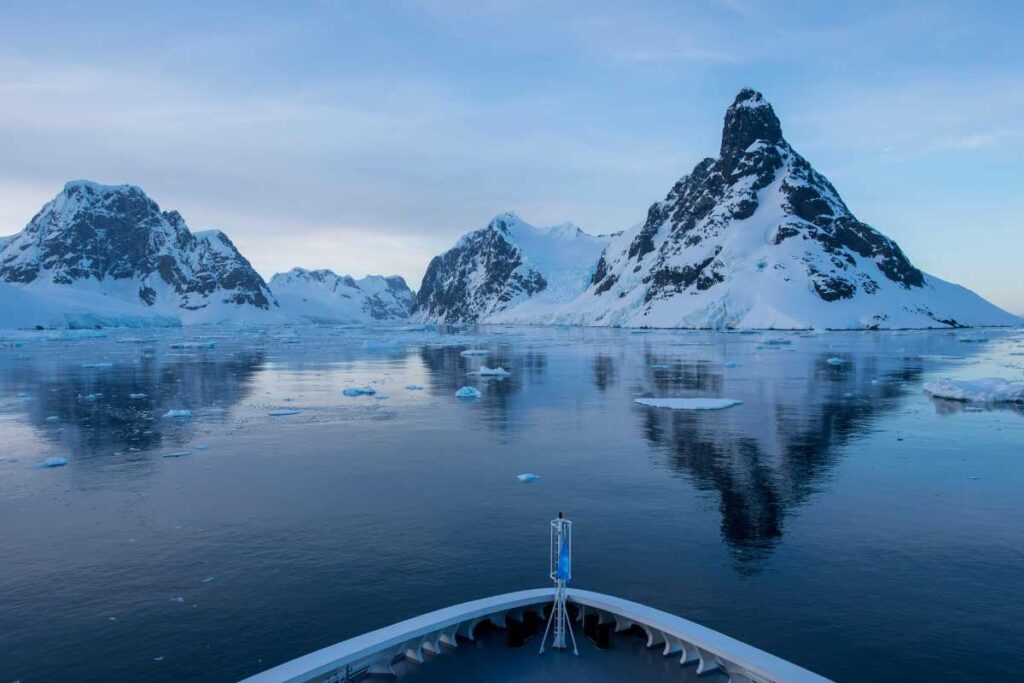
Planning and getting ready for a trip to the world’s most remote land is very important. Because Antarctica is so remote and has harsh conditions, travellers need to make sure they have the right information, gear, and mindset before they go. Whether you’ve been on many adventures before or this is your first time exploring the polar regions, these seven must-do things will help you get ready for the trip of a lifetime.
Invest in High-Quality Cold Weather Gear
The clothes and gear you bring can make the difference between a great journey and a terrible one. Before you go on your trip, find out what weather ranges you’ll be experiencing. Conditions change a lot from season to season. Most trip companies give you detailed packing lists, but you shouldn’t just follow them.
Use base layers that wick away wetness, mid-layers that keep you warm, and waterproof outer shells to protect your whole outfit. Buy boots made for expeditions that are rated for extreme cold, and don’t skimp on good gloves, hats, and face protection. Keep in mind that you’ll be going from warm ship rooms to cold weather outside, so it’s important to wear a variety of layers. Check all of your stuff before you leave.
Wear your boots around the house, practise with your camera gear while wearing gloves, and make sure your rucksack fits over your thick clothes without any problems. This planning keeps you from being surprised by bad things when you’re thousands of miles away from the nearest outdoor store.
Get Physically Fit for the Journey
You don’t have to be an Olympic athlete to go on an Antarctica expedition, but being in great shape will make the experience much better. You’ll have to get in and out of Zodiac boats, walk on rough, icy ground, and maybe even kayak in very cold water.
Focus on building up your heart and lungs by walking, hiking, or riding regularly. Work out your legs and stomach by doing things like squats, lunges, and planks. Include sport-specific training in your routine at least three months before your trip if it includes activities like kayaking or climbing.
Remember to keep your balance and be flexible. Stability is important for getting around on icy surfaces and in rough seas. Yoga or simple balance exercises can help prevent injuries and increase your confidence in challenging conditions.
Also read: New Turkey Travel Warning Brings Fresh Concerns For UK Tourists In 2026
Understand the Environmental and Safety Protocols
Antarctica is run by the Antarctic Treaty System, which sets strict rules for protecting the environment. All tourists must follow rules that are meant to keep this wilderness pristine for future generations. Read over these rules well before you leave.
Find out about the biosecurity steps that keep non-native species from coming to the continent. Before you get there, you’ll need to clean your clothes, boots, and gear really well. Learn how close you should be to wildlife and how to take ethical photos so you don’t bother penguins, seals, and other animals.
During safety training, we will talk about what to do in an emergency, how to use the zodiac, and how to communicate. During these sessions, pay close attention, ask questions, and read any written papers that are given to you. Everyone must follow the rules for their safety and the safety of the other travellers.
Prepare Your Photography Equipment
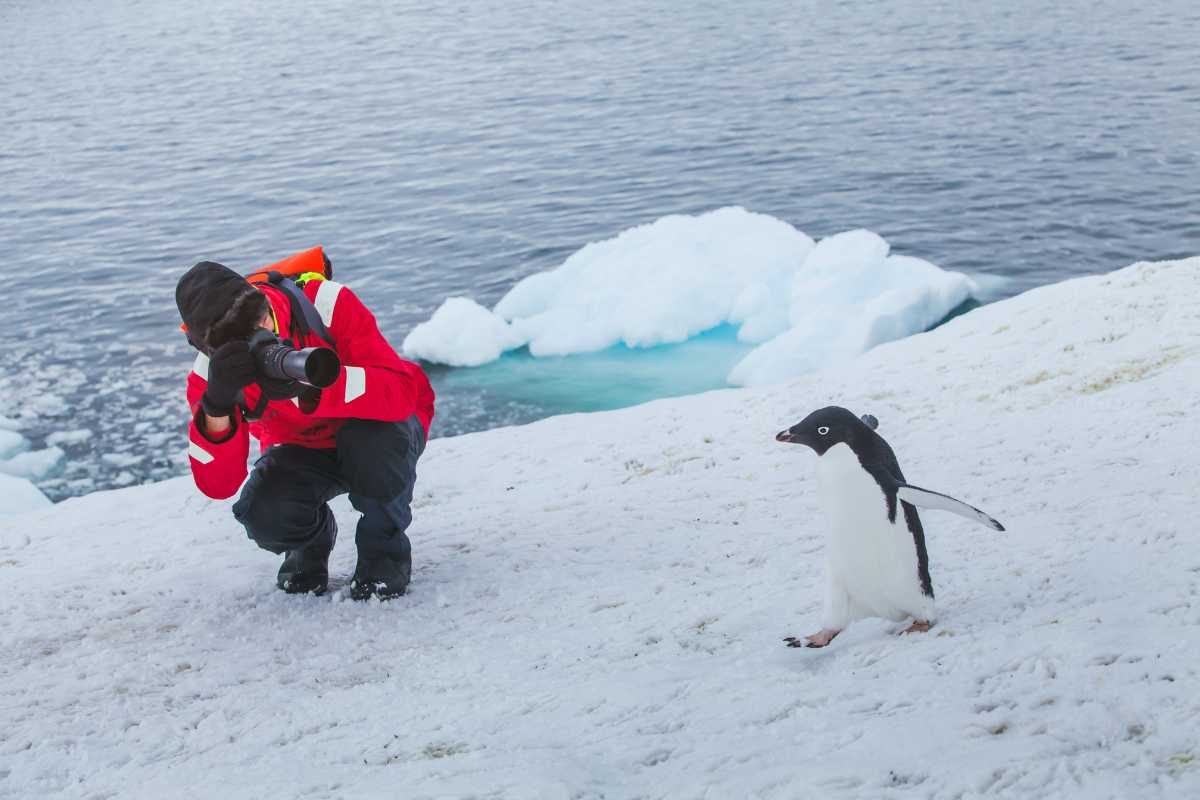
Antarctica has some of the best photo opportunities in the world, but the harsh conditions make it hard for both cameras and photographers. Batteries die quickly in cold weather, so bring extras and keep them warm in your pockets until you need them.
Keep your gear away from water, salt spray, and quick changes in temperature that can cause condensation. If you can, buy camera bodies and lenses that are sealed against the weather, and bring covers or bags to protect them. You’ll rarely be able to change settings and batteries without gloves, so get used to doing it that way.
You might want to bring more than one memory card instead of depending on one large card. This plan keeps your pictures safe if a card fails and lets you arrange them by day or action.
Consult Your Doctor and Update Vaccinations
Make an appointment for a full medical checkup at least two months before you leave. Talk to your doctor about any health problems, medicines, or worries you have. There are no health risks in Antarctica itself, but you’ll probably be travelling through South America, where you may be told to get certain shots.
Bring enough of any prescription drugs in their original packages, plus extras in case your trip gets delayed. Bring a personal first-aid kit with you that has medicines for typical problems like motion sickness, headaches, and small injuries. Most expedition ships have medical services, but it’s smart to be able to handle small problems on your own.
If you get seasick easily, talk to your doctor about ways to avoid it. The crossing of the Drake Passage is known for being rough, so making sure you have the right medicine with you can help you enjoy the first few days of your trip.
Also read: The 2026 Greek Travel Pivot: Why Santorini and Mykonos are Cooling Off
Research Your Destination Thoroughly
Understanding makes admiration stronger. Before you go, learn about the geography, wildlife, history, and travel of the Antarctic. When you know why the places you’ll be visiting and the animals you’ll see are important, sightseeing turns into valuable experiences.
Read about the adventures of well-known travellers like Shackleton, Scott, and Amundsen. Learn about the continent’s unique environment and the changes that living things have made to survive in such harsh conditions. Learn about the scientific study that is being done there right now.
A lot of expedition companies offer workshops or reading lists before the trip. Use these tools to get ready for your trip by being well-informed and ready to connect deeply with your surroundings.
Get Your Mind Ready for the Experience
It’s just as important to get mentally ready to visit the world’s most remote land as it is to get physically ready. Accept that you won’t be able to get in touch with people, read the news, or do your normal daily tasks. This digital detox can be freeing, but it might feel weird at first.
Get ready for changing weather that could make plans need to be changed. When travelling to the poles, where factors control what you can do, you need to be flexible and patient. Because of ice, wind, or wildlife, ships may have to change where they stop or skip places altogether.
Last but not least, go on the trip with an open mind and a sense of wonder. This harsh, beautiful, and powerful place can make even the most experienced travellers feel small.
Conclusion
If you plan, your trip to Antarctica will go from just living the harsh conditions to really thriving in one of the last great wildernesses on Earth. Spending time on fitness, getting the right gear, learning the rules, and developing the right mindset will put you in a great situation to enjoy every moment of this amazing journey. The work you do to get ready will pay off in terms of safety, comfort, and the depth of your experience on the frozen continent.