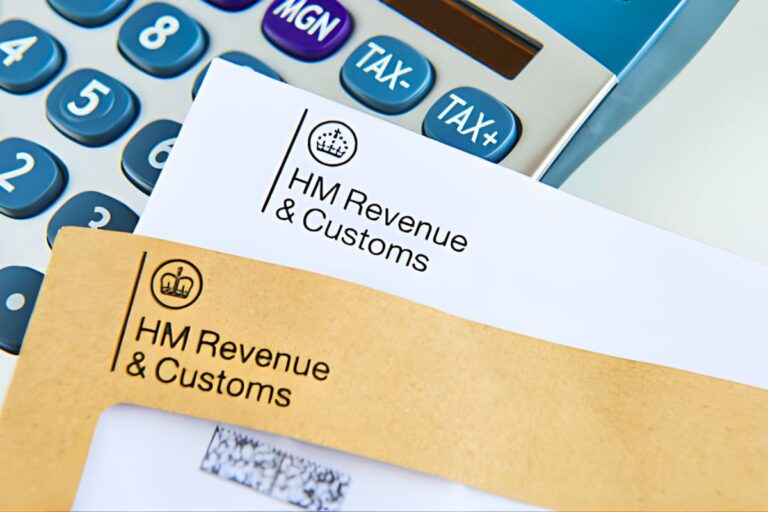

Capital gains tax remains 18% for basic-rate taxpayers and 24% for higher- and additional-rate payers. On capital gains tax, Andy Burnham has not lifted the rates. His Chancellor, John Healey, left them alone at his first budget, despite loud calls from Labour MPs to raise them.
Burnham reached Number 10 in July. He has argued for years that Britain has “overtaxed labour and undertaxed wealth”. That phrase made investors uneasy. The arithmetic, though, refused to help him.
Key Points
- CGT rates for 2026-27 are 18% at the basic rate and 24% at the higher and additional rates.
- The tax-free allowance is £3,000, or £1,500 for trusts.
- Healey rejected backbench demands to raise the tax at his first budget.
- Academics costed a wider tax package at £26bn, with £19.7bn from CGT alone by 2030.
- HMRC’s own figures suggest a 10-point rise in the higher rate would lose money.
- Burnham’s more profound interest sits in land and property, not share sales.
What Capital Gains Tax Actually Taxes
CGT is a tax on your gain, not on the cash you receive. GOV.UK uses a plain example: buy a painting for £5,000, sell it for £25,000, and the gain is £20,000.
“Disposing” of an asset means more than selling it. Giving it away, swapping it, transferring it to someone else, or taking an insurance payout all count. You pay on second homes, shares held outside an ISA or PEP, business assets, cryptoassets, and most personal possessions worth £6,000 or more. Your car is exempt. So are ISAs, gilts, Premium Bonds and lottery wins. Gifts to a spouse, civil partner or charity usually escape the tax too.
The Rates and Allowances Right Now
Rates have not moved. Basic-rate taxpayers pay 18%. Higher and additional-rate taxpayers will pay 24% on gains made from 6 April 2026. Trustees and personal representatives also pay 24%. Gains that qualify for Business Asset Disposal Relief are charged at 18%.
The rate you pay depends on your income as well as your gain. Take HMRC’s worked example. Your taxable income is £20,000, and your gains are £12,600. Deduct the £3,000 allowance, and £9,600 is taxable. Added to your income, the total of £29,600 falls inside the £37,700 basic band, so the whole gain is taxed at 18%. The bill is £1,728. A larger gain spills into the higher band and picks up the 24% rate.
The allowance is the part that quietly bites. It has fallen from £12,300 in 2022-23 to just £3,000 today. Carried interest, long taxed at a special 32% rate, now sits under income tax and national insurance from 6 April 2026 instead.
Deadlines matter. Sell UK residential property at a gain and you have 60 days to report and pay. Other gains go through self-assessment in the following tax year.
On Capital Gains Tax, Andy Burnham’s Long-Held View
Burnham has never proposed an annual wealth tax. His argument is narrower and older: assets get an easier ride than wages.
Schroders traces that thinking back to his 2010 leadership campaign, when he called stamp duty “a tax on the aspirations of young people” and floated an annual tax on land rental values instead. Grant Thornton reads the same signals and points to land, assets and capital gains all sitting on the agenda, with a care levy once suggested instead of inheritance tax.
Senior colleagues went further than he did. Louise Haigh, now First Secretary of State, wrote in the journal Renewal that higher CGT would “shift the taxation burden away from punishing work and towards unproductive capital accumulation, which does little to grow the everyday economy”. Wes Streeting, now Defence Secretary, called CGT “the wealth tax that works”. Lord Kinnock backed a rise worth around £12bn.
Why the Chancellor Said No
The numbers did the arguing. HMRC estimated that lifting the lower rate by 1% would raise only about £5m by 2028-29, while a 10-point rise in the higher rate would cut Treasury receipts by £3.6bn in the same year. People simply hold on to assets or leave.
Lord O’Neill, Burnham’s former adviser, warned that the move would send “the wrong message to business”. Speaking to The Times, he was blunter still: “I do think it would be stupid.” Former Chancellor Jeremy Hunt made the same case from experience. “Treasury officials told me that 24 per cent was the ‘revenue maximising’ level for capital gains tax,” he said.
Helen Miller of the Institute for Fiscal Studies put the risk plainly. “Simply raising rates would not raise large sums and could actually lose the government money.”
Reporting by the BBC confirmed Healey was minded to leave CGT where it was, and he had already ruled out matching it with income tax.
£26bn Plan That Split Westminster
The serious proposal was never a simple rate rise. The Centre for Analysis of Taxation, drawing on LSE and Warwick researchers, set out a £26bn package. Equalising CGT with Income Tax would raise £19.7bn by 2030, but only alongside an exit tax, removal of the uplift on death, better loss relief and an investment allowance. Employer National Insurance on partnership profits adds £2.1bn, and Class 1 contributions on rent and savings income another £4bn.
Their case rests on fairness. Among the top 0.01% of earners, only one in ten pays close to the headline 47% rate, while a quarter pays 20% or less.
Business pushed back hard. Lena Levy of the British Chambers of Commerce noted UK capital gains taxes already sit above the OECD average of 20%. Analysis by investment platform IG suggested that equalisation would leave the Treasury £7.8bn worse off each year.
The iPaper captured the wider squeeze, with forecast headroom falling from £23.6bn to roughly £14bn as borrowing costs rose.
The Risk: Land and Property
CGT may have survived, but property taxes did not escape attention. Burnham has called council tax “regressive” and land “undertaxed”. A High Value Council Tax Surcharge is already due in April 2028, with owners of homes above £2m facing at least £2,500. Lowering that threshold to £1.5m would pull affected homes from 134,000 to 271,000.
What This Means For You
As The Guardian set out, a Chancellor has two routes: raise rates quickly or rebuild the base properly at a later budget. The second is where real change would come, and spring is the next window.
Nothing here demands panic. It does reward tidy records, receipts and valuations, a clear focus on that 60-day property deadline, and a conversation with an adviser before any large sale.
FAQs
Has Andy Burnham raised capital gains tax?
Ans: No. Rates stayed at 18% and 24% after his chancellor rejected calls to lift them. Pressure from Labour backbenchers continues, so the position could change at a future Budget.
What is the UK capital gains tax rate in 2026-27?
Ans: Basic-rate taxpayers pay 18% on gains. Higher and additional-rate taxpayers pay 24%. Business Asset Disposal Relief gains are charged at 18% instead.
How much can I make before paying CGT?
Ans: The annual exempt amount is £3,000, or £1,500 for trusts. Gains below that figure are tax-free, though you may still need to report large disposals on a tax return.
Would matching CGT with income tax raise money?
Ans: Probably not on its own. HMRC and the IFS both suggest rate rises alone could cost the Treasury, because owners delay sales or move abroad.
Do I pay capital gains tax when I sell my home?
Ans: Usually not. Your main home is normally exempt, unless you have let it out, used it for business, or it is huge.
When do I report and pay capital gains tax?
Ans: UK residential property gains must be reported and paid within 60 days of completion. Other gains go through self-assessment in the tax year after the sale.
Sources & References:
- BBC – Healey was minded to leave CGT where it was, and he had already ruled out matching it with income tax.
- Schroders – Burnham called stamp duty “a tax on the aspirations of young people” and floated an annual tax on land rental values instead.
- Grant Thornton – Reads the same signals and points to land, assets and capital gains all sitting on the agenda, with a care levy once suggested instead of inheritance tax.
- The Guardian – Chancellor has two routes: raise rates quickly or rebuild the base properly at a later budget and the second is where real change would come, and spring is the next window.