
The wait for the new tax year figures is finally over. On 6 April 2026, the Department for Work and Pensions and HMRC rolled out the updated rates for households across the UK. It isn’t just a minor tweak this time. Because inflation remained sticky throughout late 2025, the government had to peg the 2026 child benefit increase to a 3.8% uplift based on the Consumer Price Index. For families balancing a weekly food shop that seems to get dearer by the minute, every extra penny counts.
This year brings more than just a standard bump in the weekly rate, though. While base payments are rising, the big story for 2026 is what is happening with larger families and the rules around who can claim. It’s a bit of a mixed bag. Some people are going to see a significant jump in their bank balance, while others might still find themselves caught by the benefit cap. Anyway, let’s get into the actual numbers and tell you how much the child benefit will increase in 2026 and what they mean for the average household budget.
The New Weekly Rates: What Goes into the Bank?
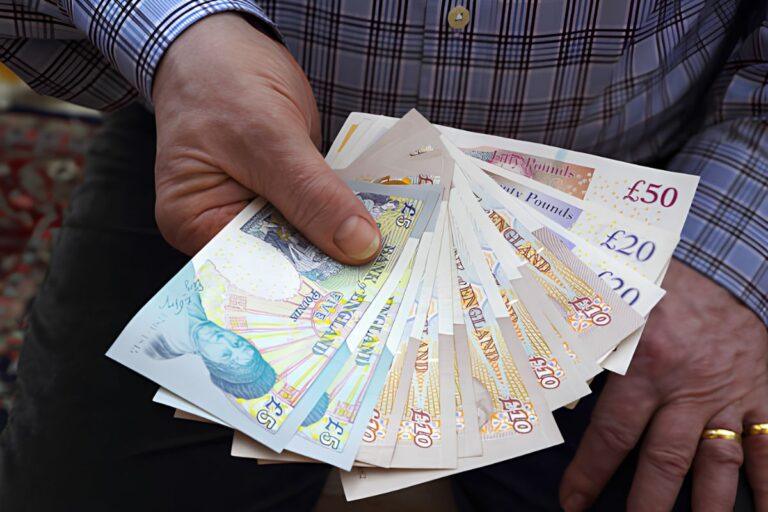
HMRC usually pays this every four weeks on a Monday or Tuesday. If the money has already landed this month, the new rates should have kicked in automatically. You don’t need to ring them up or fill out a new form. As confirmed by the latest HMRC official rate tables, the payment for an eldest or only child has shifted to £27.05 per week. That is up from £26.05 last year.
For any younger siblings, the rate is now £17.90 per child. It might not sound like a life-changing amount when looked at weekly, but it adds up over the year. A family with two children is now looking at an annual payment of roughly £2,337. That is a decent chunk of change for school uniforms or the skyrocketing cost of after-school clubs.
The child benefit increase in 2026 also affects the Guardian’s Allowance. That has climbed to £22.95 a week. It’s worth noting that these payments are usually ring-fenced, meaning they shouldn’t be affected by other income unless the High Income Child Benefit Charge kicks in.
The End of the Two-Child Limit: A Massive Policy Shift
The real headline for 2026 isn’t actually the 3.8% inflation bump. The massive news is the scrapping of the two-child limit for Universal Credit. This is a huge deal. For years, families could only get the “child element” for their first two kids. Anyone born after April 2017 basically didn’t count toward the extra support.
But from April 2026, that cap is history. Families with three, four, or more children can now claim an extra £292.81 per month for every additional child. According to research from Save the Children, this move alone could pull thousands of kids out of poverty this year. If a family has three children, they could be looking at over £3,500 extra per year compared to what they got in 2025.
It is important to keep a sharp eye on the “Benefit Cap,” though. Even with the child benefit increase in 2026, there is a ceiling on the total amount of benefits a household can receive. If the new payments push a family over that limit, the local council might claw some of it back through Housing Benefit or Universal Credit deductions. It’s a bit of a “robbing Peter to pay Paul” situation for some.
Quick Answer: 2026 Payment Breakdown
- Eldest/Only Child: £27.05 per week (£108.20 every 4 weeks).
- Additional Children: £17.90 per week (£71.60 every 4 weeks).
- Inflation Basis: 3.8% (linked to September 2025 CPI).
- Policy Change: Removal of the two-child limit on Universal Credit.
- Implementation Date: 6 April 2026.
Wages, Taxes, and the High Income Trap
Now, here is the tricky bit. The National Living Wage also jumped this month to £12.71 per hour. On the surface, that’s great news. More money in the pay packet. But because Child Benefit is tied to income thresholds, a pay rise could actually cost some parents money.
The High Income Child Benefit Charge still hangs over anyone earning more than the threshold. If one parent earns over £60,000, they have to start paying some of the benefit back through Self Assessment. If they hit £80,000, the tax charge equals the full amount of the benefit. It is essentially a 100% tax on that support.
A lot of people think the child benefit increase in 2026 means they are better off, but if that pay rise at work nudges them into a higher tax bracket, they might end up with a nasty surprise from HMRC come next April. It is worth checking the Turn2us benefit calculator to see if the math still works out for the household. Honestly, the system is a bit of a headache to get your head around.
Also read: Benjamin Bunny 50p Value in 2026: Rare Errors, Real Worth and Why It’s So Common
Why Does This Matter Right Now?
Look, the UK is still feeling the squeeze. Even with the child benefit increase in 2026, the cost of living hasn’t exactly plummeted. Rents are up, and mortgage rates are still a bit all over the place. For many, this extra £4 or £5 a month per child is just about covering the rise in broadband bills or a couple of extra pints of milk.
The removal of the two-child limit is the only thing that really moves the needle for larger families. For a mum with four kids who was previously capped, this April is a total game-changer. We are talking about hundreds of pounds extra a month. That is the difference between struggling to keep the lights on and actually having a bit of breathing room.
Key Takeaways for UK Families
- Check your bank statements: Most payments went up automatically after April 6th.
- Universal Credit users: Ensure the third or fourth child is properly registered to take advantage of the cap removal.
- Self Assessment: If you’re a high earner, keep track of your total income to avoid a shock tax bill later.
- Local support: Some councils offer extra “Household Support Fund” vouchers on top of these national rates.
FAQ’s
Q. When exactly did the child benefit increase in 2026 start?
A. The new rates officially began on 6 April 2026. This is the start of the new tax year in the UK. Most people saw the change in their first four-weekly payment after that date.
Q. Do I need to re-apply for Child Benefit if I have a third child?
A. If you are already claiming for two, you should make sure the third child is added to your claim. With the two-child limit gone for Universal Credit, it is more important than ever to ensure HMRC has the correct details for all children.
Q. How does the National Living Wage affect my benefits?
A. Since Child Benefit isn’t means-tested for most, the wage increase won’t stop the payment. However, if your higher wages push you over the £60,000 high-income threshold, you will have to pay a tax charge.
Q. What happens if I don’t receive the increase?
A. Check your HMRC app first. If the amount hasn’t changed, it might be due to a specific issue with your claim or a recent change in your circumstances. Most updates are automatic, so a missing increase usually means there’s a glitch in the system.
Q. Is there a limit on how many children I can claim?
A. For the standard Child Benefit, no. You can claim for every child you are responsible for. The “limit” that was scrapped applied specifically to the extra money given through Universal Credit and Tax Credits.
That, then, is where we stand in 2026. That additional cash (no matter how much; it simply seems to be keeping up with the price tags on the store shelves) is a decent little help. Definitely worth pulling up a chair with a cuppa and a calculator this weekend, just to ensure you are getting every penny you are entitled to. The government’s not going to tap you on the shoulder and offer you more than they have to.
Sources & References
- Official Rates & HMRC Guidance: HMRC: Child Benefit Rates for the 2026/27 Tax Year (The primary source for the weekly £27.05 and £17.90 rate confirmations).
- Inflation & CPI Data: Office for National Statistics (ONS): Consumer Price Inflation, UK: September 2025 (Provides the 3.8% indexation figure that determined this year’s benefit uplift).
- Policy Change Analysis: Save the Children UK: The Impact of Removing the Two-Child Limit (Fact sheet detailing the April 2026 transition for Universal Credit and its effect on larger households).
- Income Thresholds & Tax Charges: Low Incomes Tax Reform Group (LITRG): High Income Child Benefit Charge Explained (Expert breakdown of the £60,000 threshold and the 2026 tax implications for middle-income earners).
- Benefit Calculators & Support: Turn2us: Benefits Calculator 2026/27 (A trending tool used by UK families to estimate total entitlement following the April 6th changes).
- Legislative Timetable: Turn2us: Benefit Changes Timetable 2026 (A month-by-month guide to all DWP and HMRC payment increases).