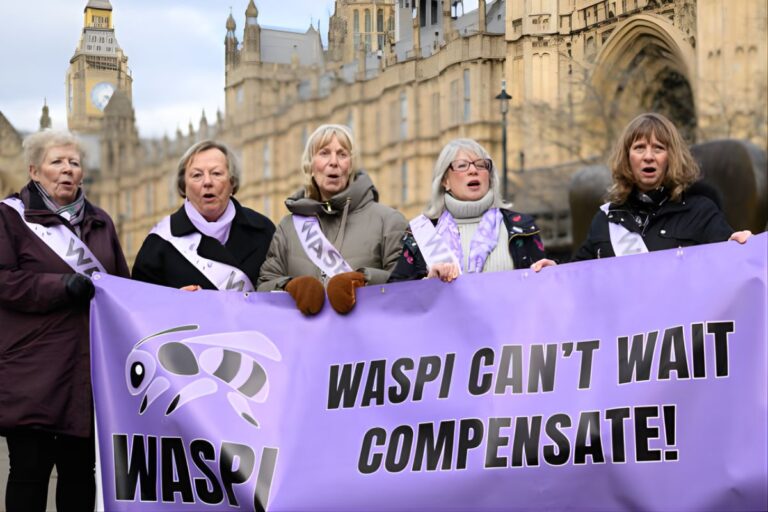
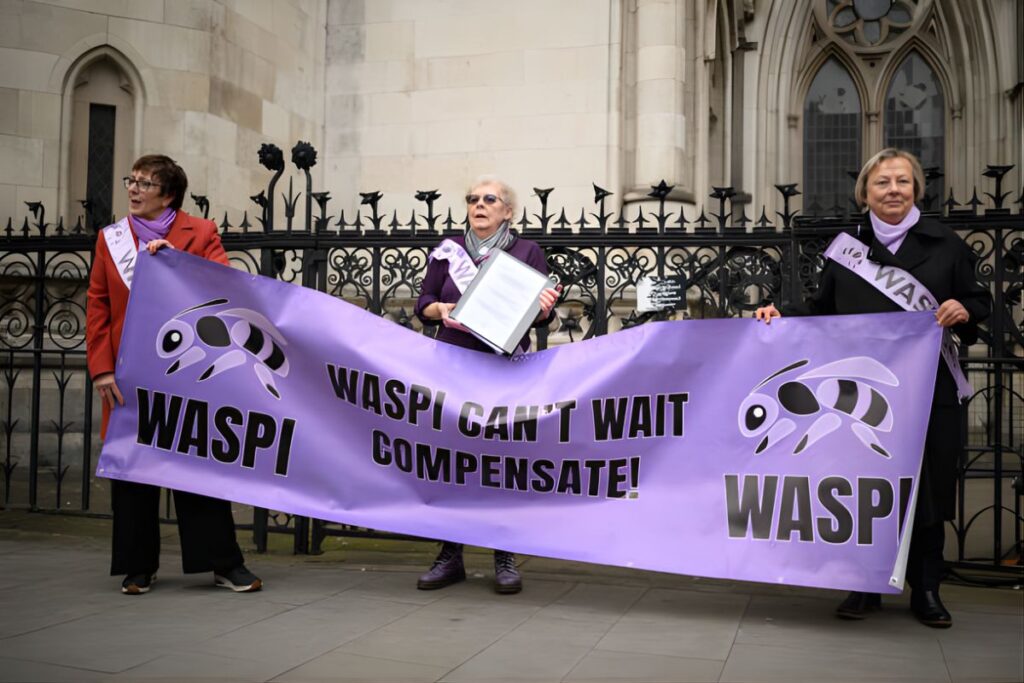
I’ve been following the state pension saga for well over a decade, but I can truly say that I have never seen anything as gut-wrenching as the scene in the House of Commons last Thursday. If you’ve had your head in the sand, or maybe hidden under that rock, you may not know about it, but for approximately 3.6 million women who were born in the 1950s, it was like the final door had been slammed shut. The Work and Pensions Secretary, Pat McFadden, stood up on Jan. 29 this year and effectively told a generation of women that their financial security doesn’t quite deserve the “proportionate” use of taxpayer cash.
Now, I’m sitting here with a cold brew, looking at the flurry of emails from women who feel utterly betrayed. And can you blame them? Just a few months ago, there was this massive surge of hope. The government had paused a High Court battle to “review fresh evidence.” People thought, finally, that they’re being listened to. But as it turns out, it was kicking the can down the road. The WASPI compensation latest is, quite frankly, a slap in the face to anyone who believes in fair play.
Anyway, if you’re trying to make sense of this mess, here’s the real story of what went down and why the WASPI legal battle with the DWP is far from over, even if the government wants it to be.
The January 29th Rejection: A Masterclass in Political U-Turns
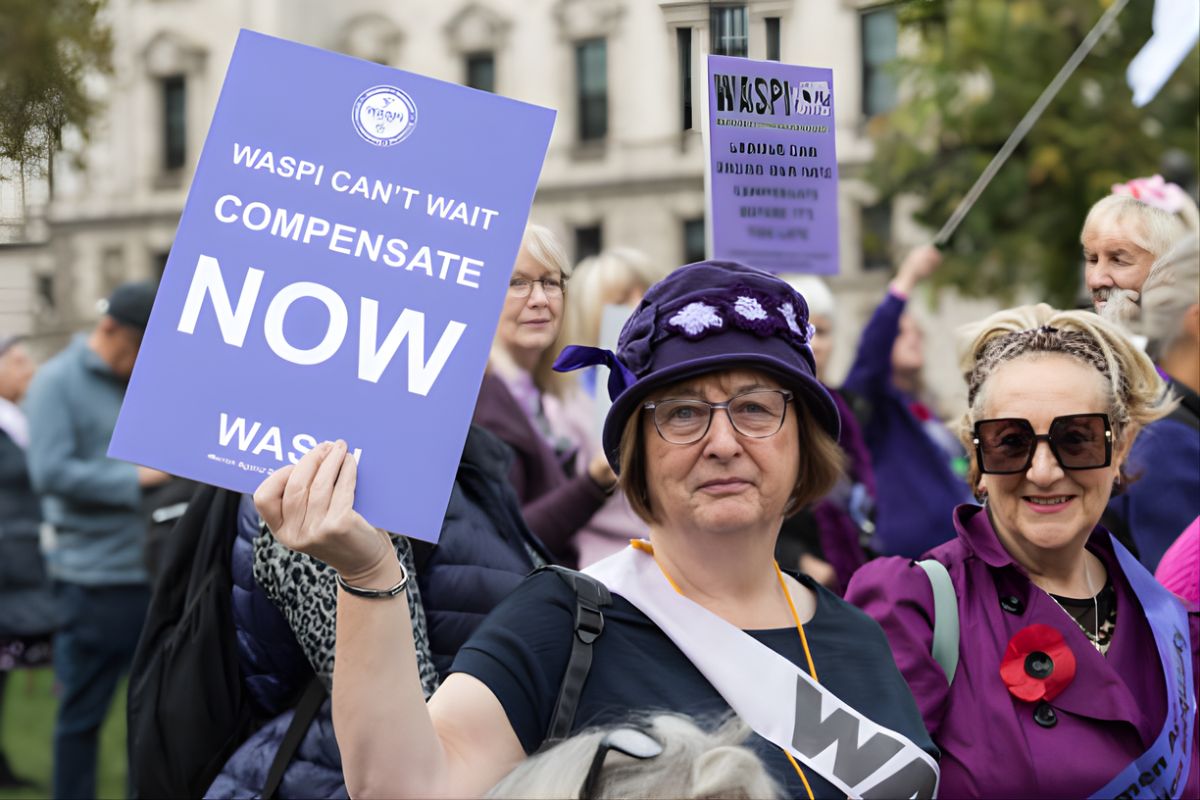
Here’s the thing. Before they were in power, plenty of Labour MPs were seen at photo ops clutching WASPI banners. They talked about “historic injustice”. But then you have the keys to the Treasury, and the tune changes. McFadden’s remarks in Parliament weren’t just a “no”, but rather a “no” encased in an unnecessary apology.
He admitted there was “maladministration.” He apologised for the 28-month delay in sending out letters between late 2005 and early 2007. But then came the kicker. He argued that DWP research shows roughly 73% of affected women already knew the pension age was going up because they’d seen it in GP surgeries or on the telly.
Honestly, it’s a bit rich, isn’t it? Imagine your boss changing your contract, not telling you for years, and then saying, “Well, you should have guessed because it was mentioned in a newsletter in the breakroom.” That’s essentially the government’s logic. They claim a blanket payout would cost up to £10.3 billion—a figure they keep throwing around to make the public recoil.
The Myth of the “Informed” Pensioner
I talked to a woman named Miriam from Martock recently—her story was actually brought up in the Commons. She lost something like £50,000 because of these changes. She had to sell her house, live on the equity, and now, at 70, she’s back in the workforce. Does that sound like someone who was “informed” and prepared?
The government argues that it’s too hard to verify who actually suffered and who didn’t. They say a flat-rate scheme is “unfair” to those who didn’t lose out, but a targeted one is “impractical” to build. It’s the ultimate “Goldilocks” excuse—one is too big, one is too complicated, so we’ll just do nothing at all.
As reported by MoneySavingExpert, following the review, the DWP is doubling down on the idea that unsolicited letters wouldn’t have been “read or recalled” anyway. It’s a cynical take on how people treat their own financial futures. If you get a letter from the government about your pension, you read it. Period.
Angela Madden and the “Disgraceful Political Choice”
The reaction from the WASPI camp has been fierce. Angela Madden, who’s been the heart and soul of this campaign, didn’t mince words. She called it a “disgraceful political choice.” And she’s right. This isn’t about whether the money exists, but it’s about where the government chooses to spend it.
The crazy part is that the Parliamentary and Health Service Ombudsman (PHSO) already recommended compensation at “Level 4”, which is between £1,000 and £2,950. The government has basically looked at the Ombudsman—the official referee for fairness in this country—and said, “Thanks for the report, but we’re going to ignore the bits that involve us writing cheques.”
Right now, as we head further into February 2026, the WASPI compensation latest news is that the campaign is moving into a “guerrilla” phase of sorts. They aren’t just waiting for the next court date; they’re trying to force a binding vote in Parliament.
Could a Parliamentary Revolt Actually Work?
So, what’s the plan now? WASPI is currently urging every supporter to flood their MPs with letters. The strategy is straightforward: force a vote in which every MP has to stand up and be counted.
Now, it just so happens that there are roughly 100 Labour MPs who signed letters for the WASPI women. The campaigners are Strategic risk that these MPs will not want to register on the voting list against the same women they were standing alongside a year ago. It is about rendering it politically impossible for the government to continue not raising its voice.
But let’s be real. The government has a massive majority. They’ve tied the pension issue to the “triple lock” and NHS investment, trying to frame it as a choice between paying WASPI women or keeping the health service afloat. It’s a classic “divide and rule” tactic. They tell younger workers that the £10bn for WASPI would come out of their pockets, ignoring the fact that these women paid into the system for decades, expecting a specific deal.
The High Court: The Last Line of Defence?
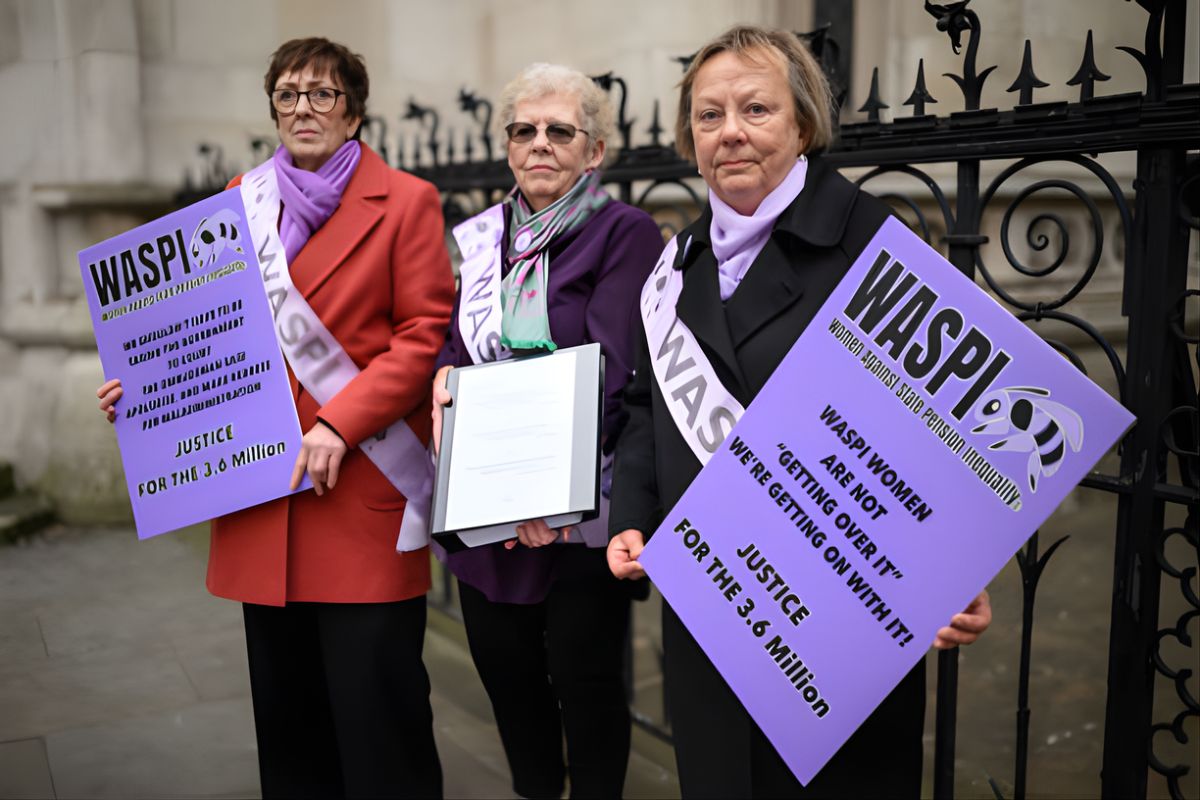
The WASPI legal battle with DWP is also heading back to the solicitors’ offices. Since the government’s “fresh review” resulted in the exact same conclusion as the old one, WASPI is taking legal advice on a new judicial review.
They argue that the review itself was flawed. If you’re reviewing evidence but ignore the lived experience of millions of women who say they never saw a single letter, is it really a review? Or is it just a rubber-stamping exercise? The High Court hearing that was cancelled in December might just find itself back on the books by the summer.
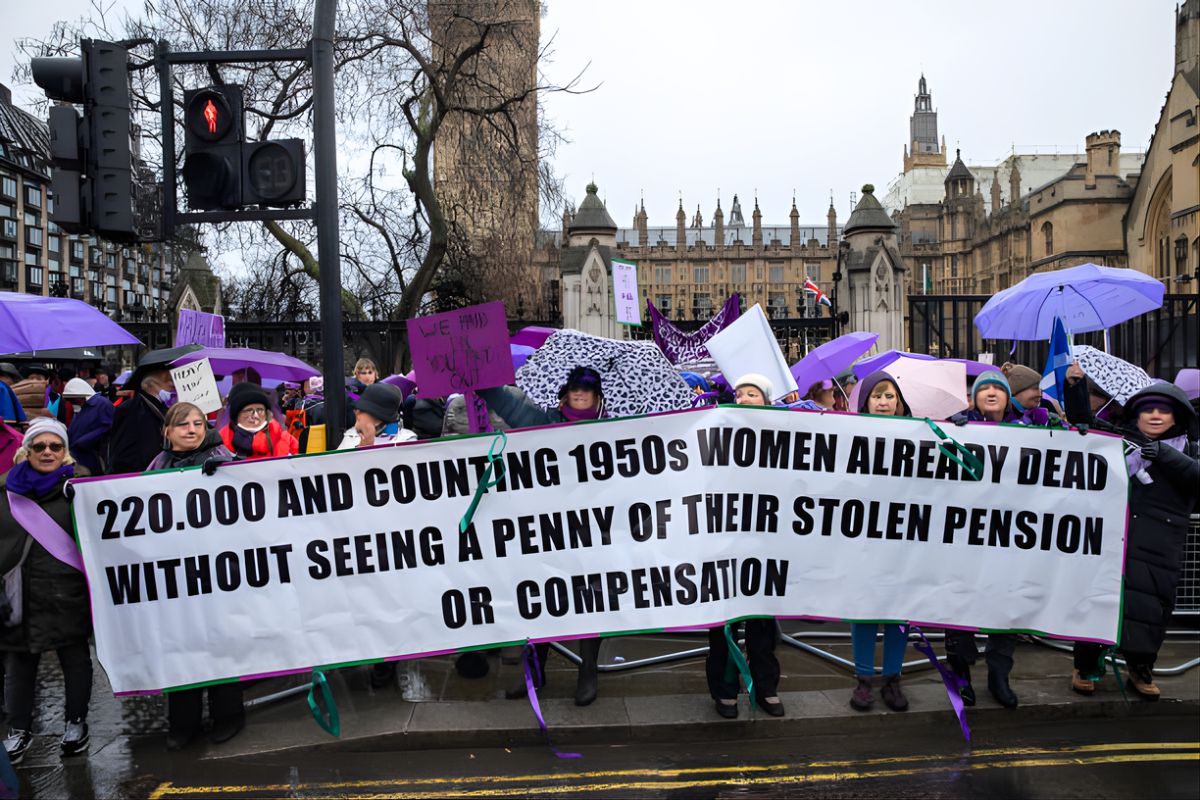
But time is the one thing these women don’t have. It’s a grim statistic, but a WASPI woman dies roughly every 13 minutes. Every month, the government “considers” or “reviews” the potential payout bill, which gets smaller simply because the claimants aren’t here to collect it. It sounds cynical because it is.
Where Do We Go From Here?
Listen, if you’re one of the women affected, the current outlook feels pretty bleak. The government has made its move, and it’s a hard “no”. They’re hoping that by February 2026, people will be too tired of the fight to keep going.
But here’s my take. I’ve seen this campaign grow from a few angry women at a kitchen table into a national movement that won’t go away. They’ve outlasted three Prime Ministers and four Work and Pensions Secretaries. They aren’t going to roll over because Pat McFadden told them there’s no money in the kitty.
The next few weeks are critical. If the letter-writing campaign can trigger a real debate in the Commons—one with a binding vote—then the government might find its majority isn’t as solid as it looks. MPs are very sensitive to their “postbags,” especially with local elections on the horizon.
So, if you’re asking me for the “final word” on the WASPI compensation latest, it’s this: The government thinks they’ve finished the book. But the WASPI women are just starting a new chapter.
Are you one of those waiting for news, or have you already given up hope on the system? Honestly, I wouldn’t blame you if you had, but the sheer grit of this campaign makes me think there’s one more twist in the tale.
FAQs: The Waspi Compensation Update
Did the government officially refuse compensation in 2026?
Yes. On January 29, 2026, the DWP confirmed it would not set up a payout scheme, arguing it wasn’t a fair use of taxpayer money.
What was the “fresh evidence” the government reviewed?
Ministers looked at 2007 research regarding how people read government letters, but concluded that most women already knew about the changes through public info.
Will there be a vote in Parliament?
Campaigners are currently pushing for a binding vote to force MPs to go on the record regarding the compensation.
Is the legal battle over?
No. WASPI is currently taking legal advice on whether to launch a new High Court challenge against the latest decision.
Sources and References
- MoneySavingExpert: WASPI compensation rejected again following fresh Government review – Best for a clear, consumer-focused summary of the rejection.
- ITV News (Feb 3, 2026): Waspi campaigners call for a vote in Parliament on compensation – The most recent update on the “letter campaign” and the push for a Commons vote.
- The Guardian: Hopes dashed as ‘Waspi women’ again denied state pension compensation – Detailed political analysis of the £10.3bn cost argument.
- Sky News: WASPI women’s compensation bid rejected again after government review – Includes the full quote from Pat McFadden and the reaction from opposition parties.
- Hansard (Official Parliament Record): Women’s State Pension Age Communication: PHSO Report – The actual transcript of the January 29th debate in the House of Commons.