There is a particular kind of silence that settles over Downing Street when a Prime Minister’s authority begins to slip. This Tuesday morning, that silence feels heavy.
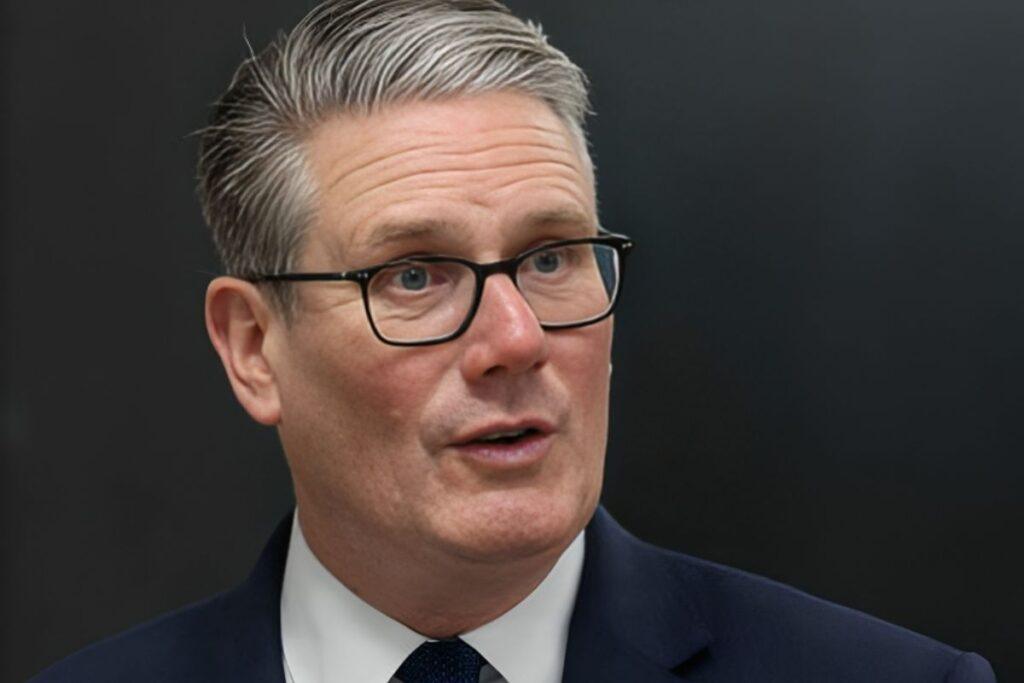
Keir Starmer walked into the job less than two years ago, carrying the biggest parliamentary majority Labour had seen in a generation. Voters who had grown tired of Conservative chaos handed him that mandate. They wanted stability. They wanted competence. Last Thursday, many of those same voters gave their answer on whether they felt they had received it.
Labour lost 1,121 councillors and 28 councils across England. Reform UK, a party that did not exist in its current form just a few years ago, won 1,257 seats and took control of 10 councils. Labour also lost control of the Welsh parliament, an institution where it had been the dominant force for decades. These are not numbers that can be spun. They sit on the record, declared and final.
Tameside, a council in the heart of Greater Manchester, had been run by Labour since 1979. That 47-year reign ended in a single night. For anyone who understands what that part of England means to the Labour movement, that one result said more than any party briefing ever could.
The Silence in Downing Street as Labour’s Crisis Deepens
Starmer addressed the nation on Monday. He was honest, at least, about his predicament. “I’m not going to shy away from the fact that I’ve got some doubters, including in my own party,” he said, acknowledging he had spent too much time talking about what he was doing for working people rather than why or who he stood for. It was a candid admission. But candour, on its own, is not a political strategy.
His own MPs were watching closely, and several had already made up their minds. Rachel Taylor, a Labour backbencher, put it with quiet devastation: “I watched the Prime Minister’s speech this morning with an open mind, but I’m afraid I don’t think he spoke clearly enough about the change my constituents need to feel. That is why with a genuinely heavy heart, I am calling on Keir Starmer to announce a timetable for his departure.”
Home Secretary Shabana Mahmood, once a close Starmer ally, has reportedly told the Prime Minister directly that last week’s election losses and his poorly received reset speech have left him with no option but to announce a timetable for his departure. Mahmood, who has long been considered one of the more loyal voices in the cabinet, is said to have delivered her message in a private meeting, marking a significant moment in the unfolding crisis. Her decision to break ranks is being seen by many Westminster insiders as a turning point that could prove impossible for Starmer to recover from.
Also read: How Much Will The Cost Of Living Increase In 2026 In The UK
Foreign Secretary Yvette Cooper is also understood to have called for an orderly transition of power, while his closest ally Lord Hermer has urged him to fight on.
At least 77 Labour MPs are understood to believe the Prime Minister should immediately set out a timeline for his departure, with a further eight saying he should leave if things do not improve.
Starmer attempted to steady the ship on Monday, promising sweeping changes and insisting he would not walk away. The speech, however, failed to quell the rebellion.
Four government aides resigned in the hours that followed, including parliamentary private secretaries to David Lammy, Wes Streeting and Emma Reynolds, all urging the Prime Minister to set a departure timetable.
The cabinet met on Tuesday at 9:30 am, with speculation about potential successors including Wes Streeting, Andy Burnham and Angela Rayner intensifying by the hour.
Sources & References
- LBC News (12 May 2026 ) Cabinet split as Home Secretary turns on Starmer over PM’s future
- ITV News (12 May 2026 ) Four Cabinet ministers tell Starmer to set out resignation timetable
- RTE News (12 May 2026 ) Ministers urge Starmer to consider his position
- GB News (12 May 2026 ) Keir Starmer to face mutinous Cabinet in just hours
- The Independent (12 May 2026 ) Shabana Mahmood among cabinet ministers urging Starmer to resign