
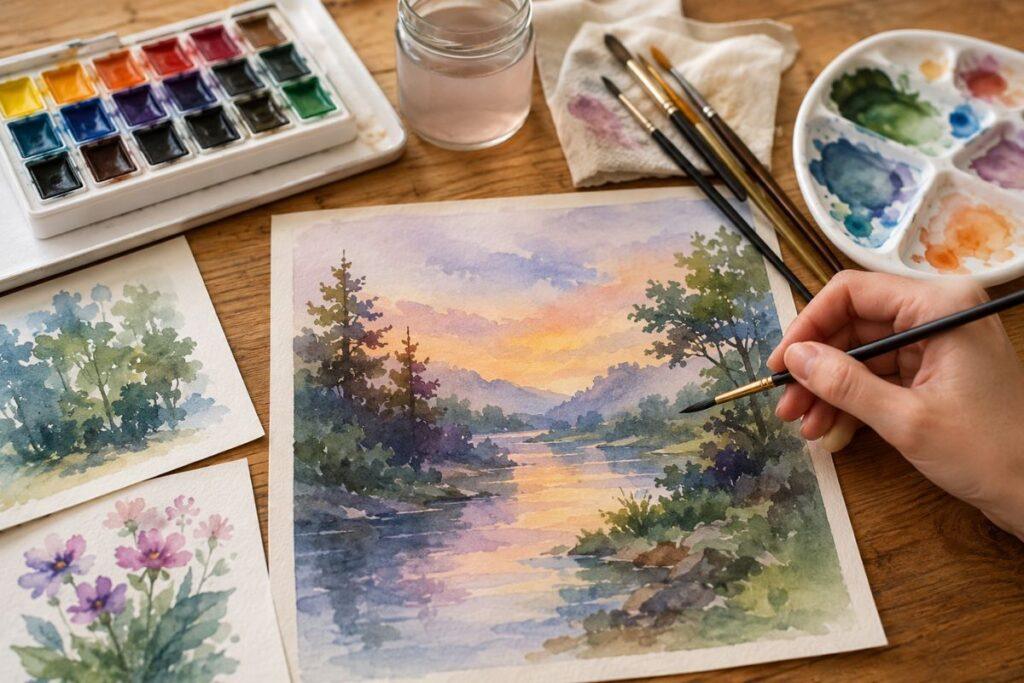
Always had a craving for watercolour painting, but do not know how to go about it. Do not worry, as you do not have to be a professional or have expensive materials for you to undertake the process. Watercolour painting is among the easiest paintings to learn, and it is an ideal hobby for anyone.
Your initial few paintings may not be up to the mark, and it is perfectly fine. All artists started somewhere as beginners. With practice comes improvement. Just follow these easy steps to get started with your watercolour painting.
- Start by acquiring the basic materials for watercolour paintings as quality paper and basic paints will make learning easier.
- Learn how to apply various quantities of water to appreciate how colours mix and blend on paper.
- Start by painting simple objects such as flowers, leaves, and trees before moving on to intricate objects.
- Paint consistently, be patient, and learn from all your mistakes, as this will help you develop good painting skills.
- Have fun during the painting process and explore the different colours available.
Step 1: Gather Your Watercolour Painting Supplies
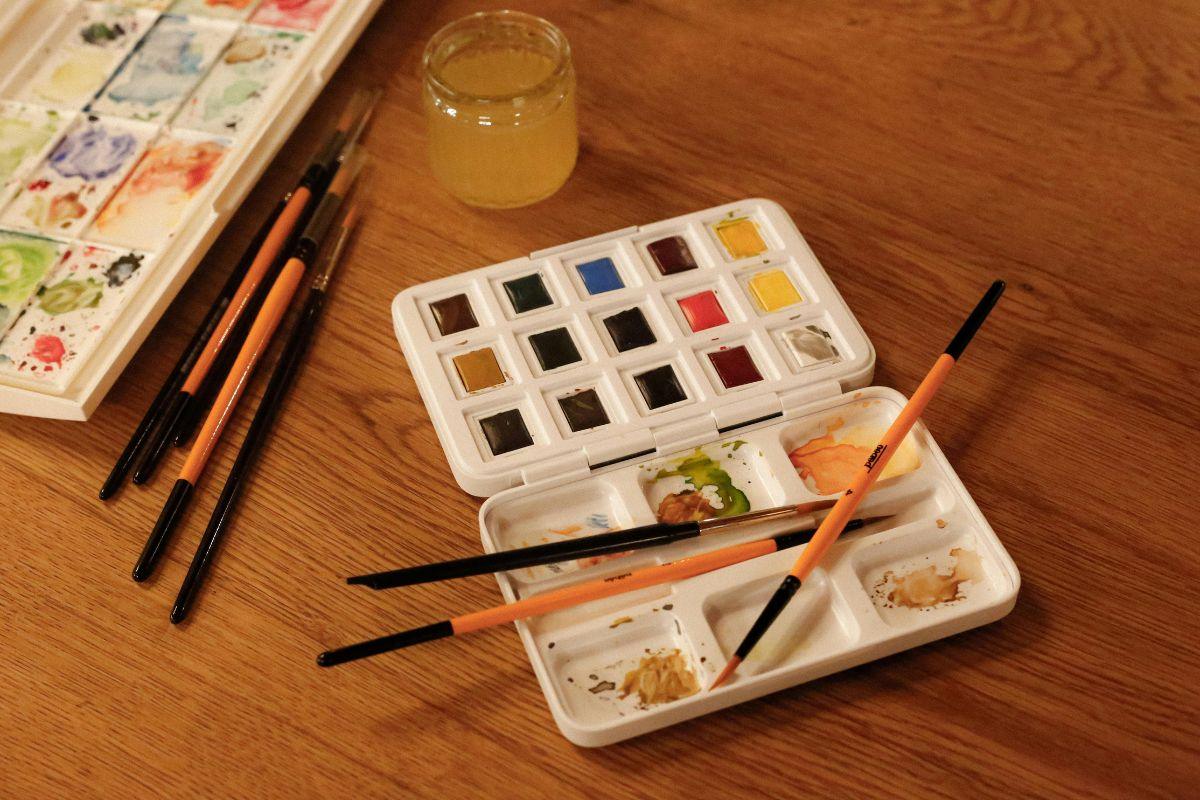
First, gather all the materials required for the task. You do not need to spend too much because the minimum set for beginners is enough. The correct choice of materials simplifies the process of studying and brings pleasure from painting at the very beginning.
You will need:
-
-
- A basic watercolour paint set
- Watercolour paper
- Two or three paintbrushes in different sizes
- A cup of clean water
- A mixing palette or a white plate
- A soft cloth or kitchen towel
-
Good quality paper if you can manage It helps with the absorbency of the water and means your painting is less likely to rip. Bright and smooth-looking colour.
Step 2: Set Up a Comfortable Painting Area
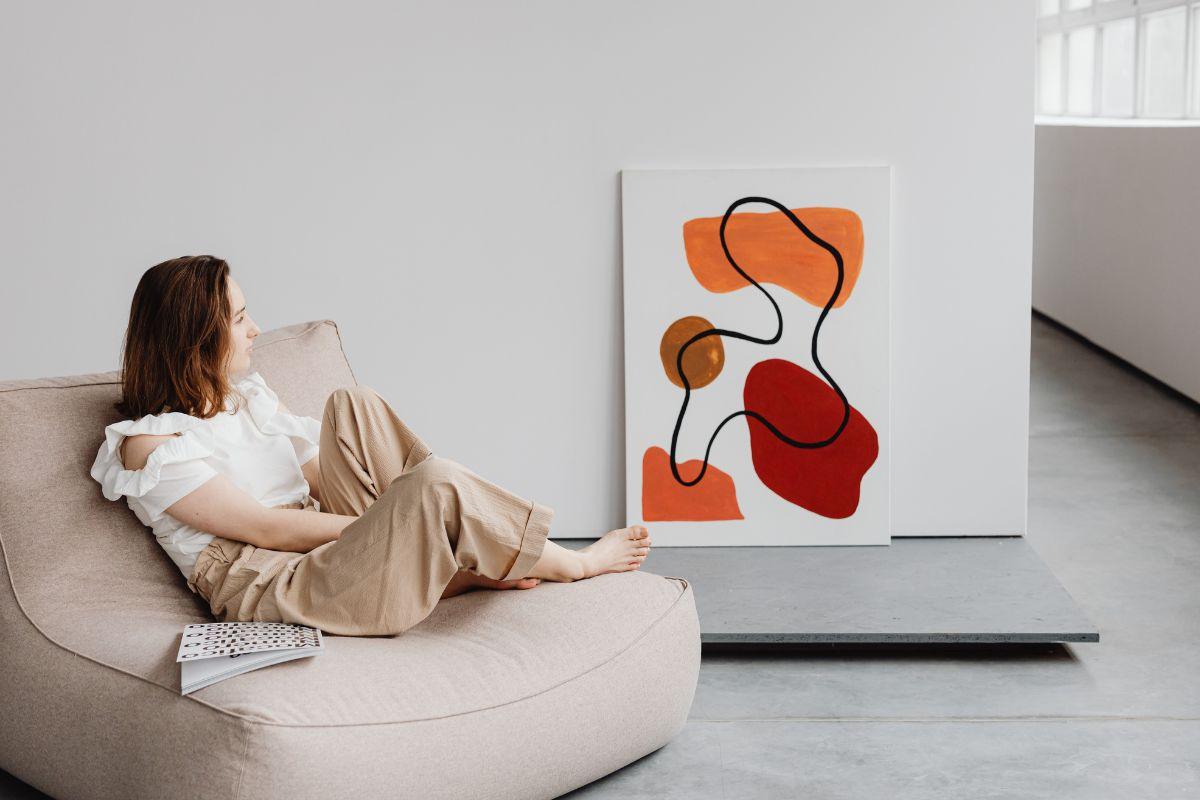
Having a neat, comfy working area where nothing can bother you is a sure-fire way to focus on your art. Find a quiet spot and ensure you’ve got sufficient space for your brushes and paints.
Your painting space should include:
-
-
- A flat and stable table
- Natural daylight or a bright lamp
- Easy access to clean water
- Space for your paints, brushes, and paper
- A cloth or paper towel to clean your brushes
-
Keeping your workspace tidy saves time and lets you enjoy painting without interruptions.
Step 3: Learn the Basics of Water and Brush Control
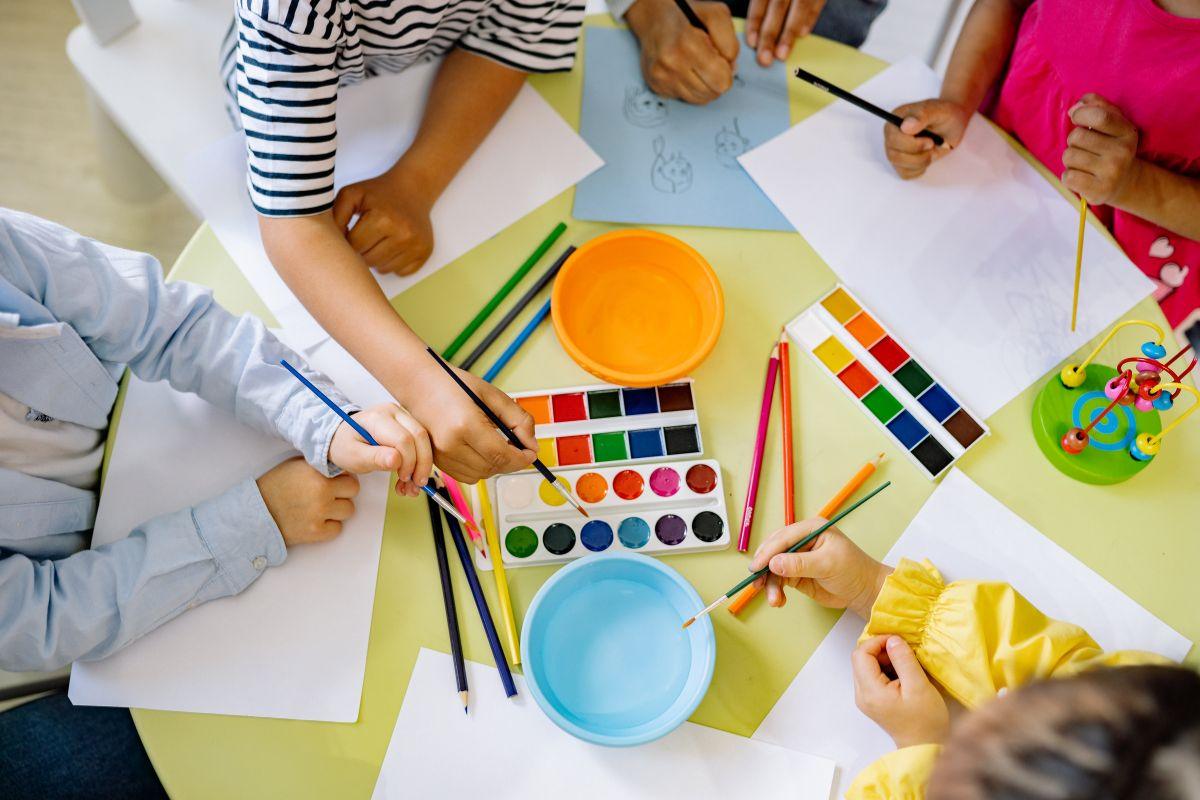
If you’re going to paint some pictures, take some time beforehand to familiarise yourself with water and your brushes. Watercolour is a bit of a juggle between paint and water, so if you have that sorted first, you’ll find that you will be getting to the advanced level much quicker!
Practise by:
-
-
- Painting with light and dark colour washes
- Using more water for soft colours
- Using less water for stronger colours
- Drawing straight and curved brush strokes
- Painting simple shapes like circles and squares
-
These simple exercises will help you control your brush and understand how water changes your painting.
Step 4: Start Painting Simple Objects
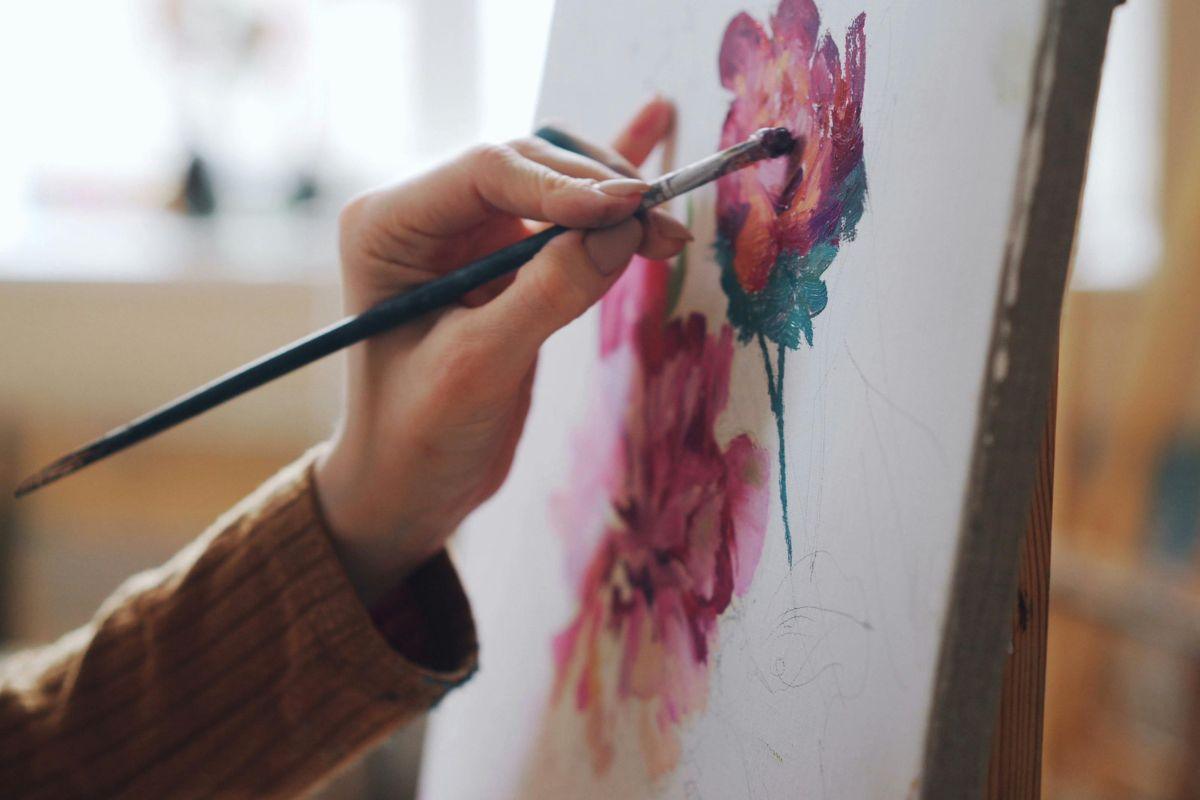
Don’t immediately dive in with detailed portraits or difficult landscapes – try working with simple subjects that allow you to work through things without a ton of pressure.
Good beginner subjects include:
-
-
- Leaves
- Flowers
- Apples
- Cups
- Trees
- Clouds
- Simple hills
-
Try painting something simple; you’ll get better at handling the brushes, mixing colours, and feel a boost of confidence before you move on to something a bit more complicated.
Step 5: Learn Basic Watercolour Techniques
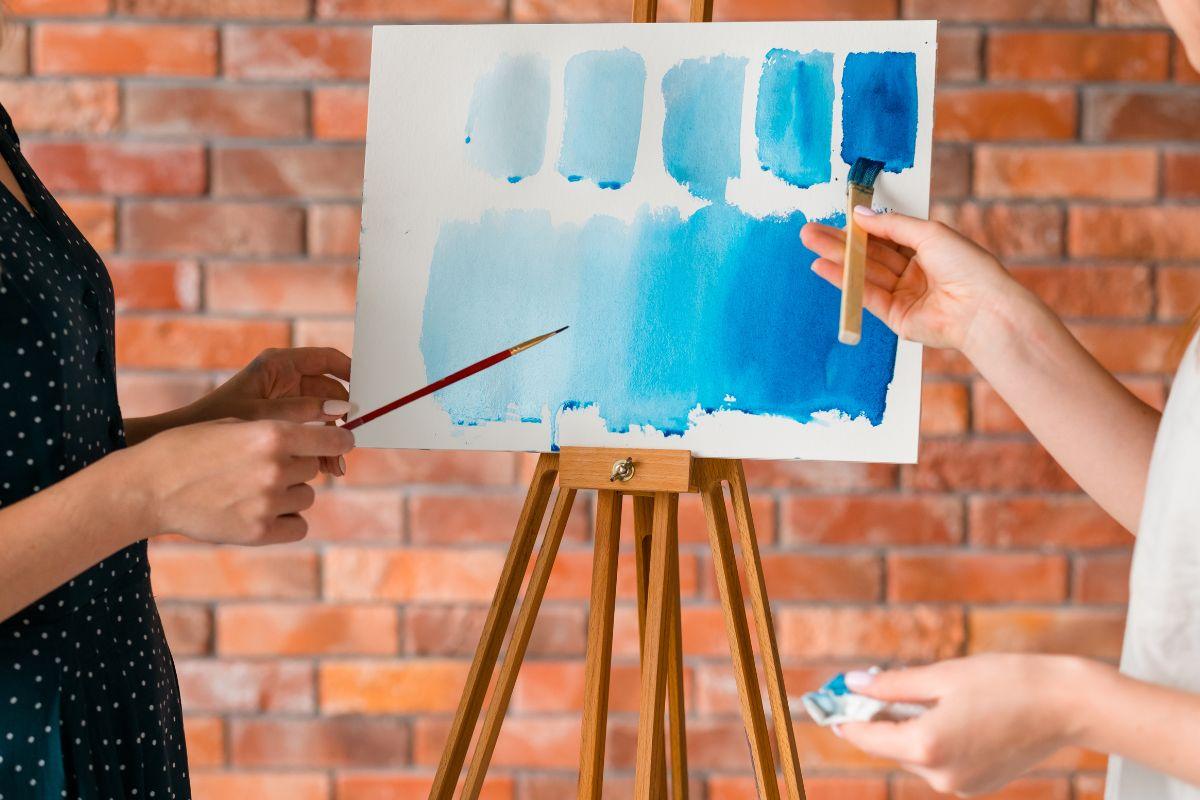
If you’re all pumped up and feel like a total artist, start with a few easy techniques. If you have already painted enough with just plain paintings.
Start by practising:
-
-
- Flat Wash – Paint one area using the same even colour.
- Graded Wash – Blend one colour from dark to light.
- Wet-on-Wet – Paint on wet paper to create soft edges.
- Wet-on-Dry – Paint on dry paper for sharper details.
-
Take your time with each technique and practise them often before trying more advanced paintings.
Step 6: Mix Colours and Build Your Painting Slowly
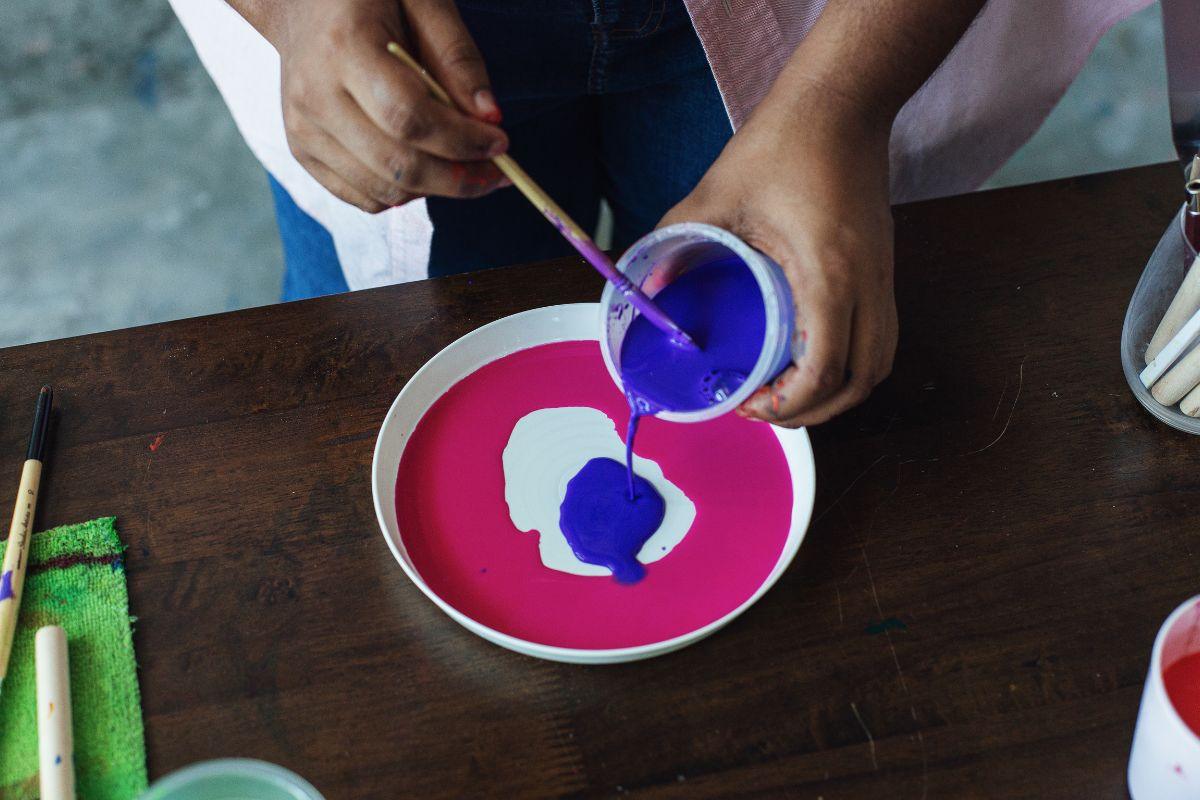
One of the exciting skills you’ll acquire with watercolour is colour mixing. Using just a small palette of primary colours, you can discover how to make a beautiful spectrum of colours!
Try these simple colour mixes:
-
-
- Blue + Yellow = Green
- Red + Yellow = Orange
- Blue + Red = Purple
- Red + Blue + Yellow = Brown
-
Keep applying your colour in thin layers and allow one layer to dry completely before applying the next one. This will help ensure that your colour stays clean and will avoid any muddy colours.
Step 7: Practise Often and Enjoy Learning
The painting of watercolors is one task that can only become easier through practice. This can be done daily, but even a few days of twenty or thirty minutes a day will do the trick.
Keep these simple tips in mind:
-
-
- Paint regularly without rushing.
- Learn from every mistake.
- Keep your old paintings to see your progress.
- Try different subjects and colour combinations.
- Focus on enjoying the process instead of creating perfect artwork.
-
Each of your paintings is a new lesson for you. All you need is patience, perseverance, and a positive attitude to achieve skill improvements in your paintings. Be happy while you work on painting the wonderful watercolour.
Final Thoughts
The process of learning how to paint in watercolours is very easy if you are a novice. You just need to have the basic materials with you and a bit of patience to practice.
Start with the fundamentals and tackle the task in a step-by-step manner. Take your time to learn how to paint well and appreciate the game of making paintings in watercolours. You need not worry about painting well in the beginning. Just put in your efforts to learn the art and enjoy the fun of watercolours.
FAQs
Q. What materials are needed to begin watercolour painting?
A. You require nothing more than a few materials. They include a set of watercolour paints, watercolour paper, two or three brushes, a container of water, a palette for mixing colours, and a soft cloth or kitchen towel.
Q. Is watercolour painting easy to learn for beginners?
A. Yes, watercolour is one of the easiest ways of painting to get started with. Try painting some simple shapes, practice now and then.
Q. Which paper is the best for watercolour painting?
A. The watercolour paper works best as a paper designed to handle water with great ease. It stops you from tearing the paper up while still leaving the colours very bright and vibrant!
Q. How frequently should I practice watercolour painting?
A. Practice watercolour painting for at least 20 to 30 minutes, twice or thrice a week.
Q. Is it possible to learn watercolour painting at home?
A. Yes, it is possible to learn watercolour painting at home. All that you need is time and basic materials.
Source & Reference
-
- Winsornewton – Your top ten watercolour questions answered
- Daler Rowney – How To Get Started with Watercolours & Materials with Oliver Pyle
- Painters online – Watercolour basics: a guide to watercolour supplies and techniques