Quick Answer: The State Pension is set to rise by at least 2.5% in April 2027 under the Triple Lock — taking the full new State Pension to around £247.35 a week (£12,861 a year). This will push it above the £12,570 tax-free Personal Allowance for the first time, but the government has confirmed pensioners relying only on the State Pension won’t have to pay income tax on it.
By April 2027, the full new State Pension is on track to rise above the frozen £12,570 tax-free Personal Allowance. However, the Chancellor has confirmed that if the State Pension is your only source of income, you will not pay any income tax. Instead, this rise will only affect “edge-case” pensioners. If you receive the full state pension plus any additional income – such as a workplace pension, part-time wages, or savings interest – you will exceed the threshold and may owe tax for the first time.
Here’s what’s locked in, what’s still guesswork, and why 2027 isn’t shaping up like a normal year – let’s try to understand how much the state pension is going up in 2027?
State Pension: 2026 vs 2027 at a Glance
| Detail | April 2026 | April 2027 (Projected) |
|---|---|---|
| Full New State Pension (weekly) | £241.30 | At least £247.35 |
| Full New State Pension (yearly) | £12,547.60 | At least £12,861 |
| Tax-Free Personal Allowance | £12,570 | £12,570 (frozen) |
| Above Tax Threshold? | No | Yes (by at least £291) |
| Basic State Pension (weekly) | £184.90 | To be confirmed |
| Rise Determined By | Wage growth (4.8%) | Highest of CPI, wages, or 2.5% floor |
Key Takeaway
- In April 2026, the new State Pension rose by 4.8% to £241.30 a week, amounting to £12,547.60 a year.
- The April 2027 increase will be determined by the highest of September 2026 inflation, total wage growth between May and July 2026, or a 2.5% minimum floor.
- Even if the minimum 2.5% floor is triggered, the pension will rise to around £247.35 a week (£12,861 a year) for the 2027/28 tax year.
- The tax-free Personal Allowance is frozen at £12,570 until April 2028. Because of this, virtually any 2027 Triple Lock rise will mathematically push the full new State Pension past the tax-free limit.
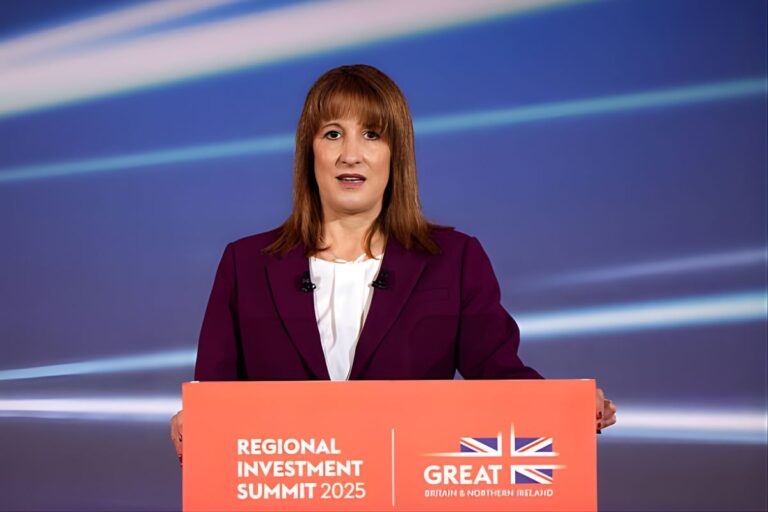
- Chancellor Rachel Reeves has confirmed that pensioners whose only source of income is the State Pension will be entirely exempt from paying income tax or filing tax returns until at least end of this Parliament. They will not be moved to Simple Assessment.
- The tax burden will only impact “edge-case” pensioners. If you receive the full State Pension plus additional income (such as private pensions, part-time wages, or savings interest), your combined income will exceed £12,570, meaning you will owe income tax.
How does the Triple Lock work?
Each April, the state pension goes up by whatever’s biggest out of three numbers: last September’s CPI inflation, average earnings growth from May to July, or a flat 2.5%. It’s been running this way since 2011 and covers both the old basic pension and the newer version. Last year’s 4.8% bump came from wages outpacing prices, not inflation, which is worth remembering since it doesn’t always work that way.
Also read: Why Is Capita’s Share Price Moving? Breaking Down the Five Biggest Reasons
What Pensioners Are Actually Getting Now?
As things stand in April 2026, the full new state pension is £241.30 a week, £12,548 a year if you add it all up. If you hit state pension age before April 2016, you’re on the older basic pension instead, sitting around £184.90 a week. And plenty of people don’t get the full whack of either one anyway. It all comes down to your National Insurance record, and you generally need 35 qualifying years to get the full new rate.
Also Read: Nissan X-Trail Recall 2023–2026: Engine Failure Risk & Free Fix Explained
What Might 2027 Actually Look Like?
Truthfully, nobody can say exactly yet. The numbers that decide it, September’s CPI and May to July wage growth, haven’t happened yet, so there’s nothing to calculate from. What we do know is the floor. Worst case, 2.5% kicks in and the new pension lands around £247.35 a week, call it £12,861 a year. Given how the last few years have gone, with both wages and prices running hotter than 2.5%, don’t be surprised if the actual number comes in above that.
Also read: Andy Burnham State Pension Triple Lock: What Does ‘Keeping Pace With Earnings’ Actually Mean?
Why This Could Cost People Money for the First Time
Here’s the part that actually matters. The personal allowance, the bit of income you don’t pay tax on, has been frozen at £12,570 since 2021, and it’s staying that way until 2031 at least. Combine a frozen allowance with a rising pension, and you get an outcome nobody really designed on purpose: almost any increase in April 2027 tips the full new state pension over that £12,570 line for the year. However, the government has confirmed that those whose only income is the State Pension will be exempt from paying tax. Instead, this will only cost money for ‘edge-case’ pensioners who receive the full state pension plus a small private pension or savings interest, pushing them over the tax-free limit.
Also read: The August Draw is Live: Use the Premium Bonds Checker
A Worked Example:
Take Margaret, 68, who retired in 2022 and receives the full new State Pension plus a small £1,500-a-year workplace pension. From April 2027, her total annual income would be roughly £12,861 (State Pension) + £1,500 (workplace pension) = £14,361 — around £1,791 above the £12,570 personal allowance. At the basic 20% tax rate, that works out to a tax bill of about £358 a year, likely collected automatically through a PAYE tax code adjustment on her workplace pension. Compare that to Frank, 70, whose only income is the full new State Pension. Even though his £12,861 also sits above the £12,570 threshold, the government’s exemption means he owes nothing and won’t need to file a return — for now.
Also Read: How Long Does It Take HMRC to Process a VAT Refund in the UK?
When Do We Actually Find Out the Number
The government tends to confirm the following year’s rise at the Autumn Budget, once October rolls around and the September CPI figure is out. So realistically, expect something official around September or October 2026, once both the inflation and wage figures that feed into the calculation exist.
FAQs
Q. Has next year’s state pension rise been confirmed?
A. Not yet. The inflation and earnings numbers it’s based on don’t exist until later in 2026.
Q. What’s the lowest the state pension can go up by in 2027?
A. 2.5%, guaranteed by the triple lock. That works out to about £247.35 a week, or roughly £12,861 a year.
Q. Will pensioners actually end up paying tax because of this?
A. Only if they have other income. While the 2027 rise will push the full State Pension past the £12,570 limit, the government has confirmed that pensioners whose only income is the State Pension are completely exempt from paying tax. You will only pay tax if you receive the full State Pension plus extra money, like a private pension or savings interest.
Q. How does the yearly state pension rise get calculated?
A. Highest of three things: September’s CPI inflation, average earnings growth from May to July, or 2.5%. Right now the basic pension sits at £184.90 a week.
Sources and References
- New State Pension ‘Guaranteed’ to Exceed Tax Threshold in 2027 Under Triple Lock Policy, LCP
- What Is the State Pension Triple Lock and How Does It Work?, Yahoo Finance
- What Is the State Pension Triple Lock?, MoneyHelper
- Consequences of the Freeze in the Income Tax Personal Allowance on State Pension Amounts, Age UK
- What the State Pension and the Triple Lock Mean for 2026/27, Wealthify
- The Triple Lock Explained: How the State Pension Goes Up Each Year, StatePension.org