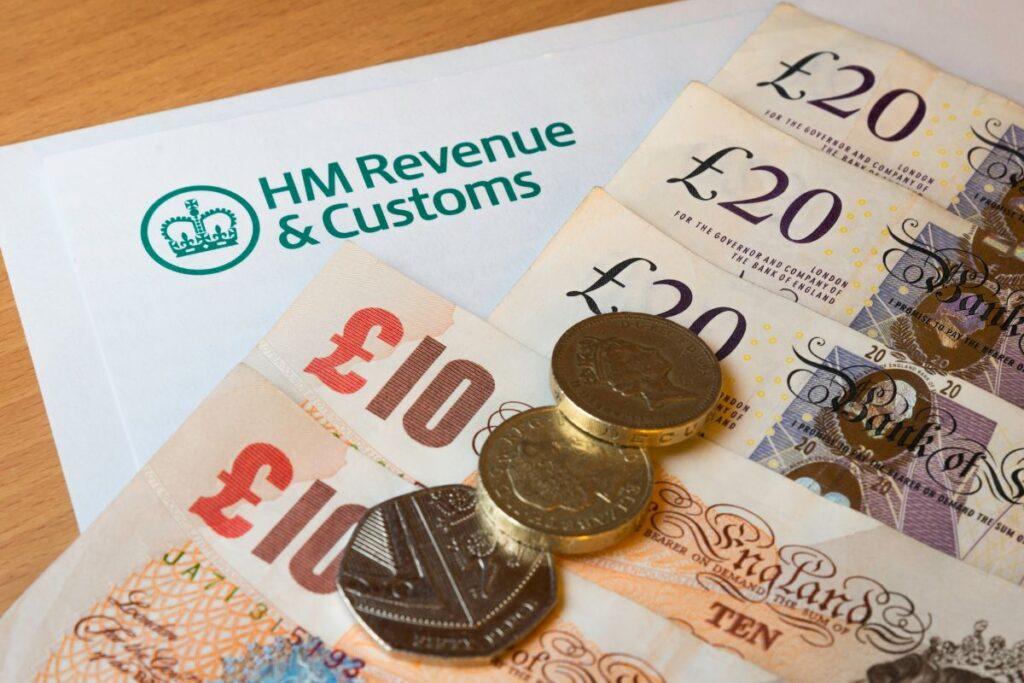
If your business has paid more VAT than it charged customers, HMRC will usually pay you the difference. So, how long does HMRC take to process a VAT refund? In most cases, repayments land within 30 days of HMRC receiving your VAT return.
Some arrive sooner. Others take longer when checks are needed. This guide breaks down the timescales, the common delays, and how to chase your money.
- HMRC usually repays VAT within 30 days of receiving your VAT return.
- Most repayments are processed automatically when you submit online.
- Checks, errors, or missing details can push the wait past 30 days.
- Non-UK businesses claim under a separate scheme with a six-month window.
- You can track progress through your business tax account.
How VAT Repayments Work
You are due a repayment when the amount in Box 3 of your VAT return is lower than the amount in Box 4. This means you charged customers less VAT than you paid on your purchases. The amount you get back is the figure in Box 5.
HMRC’s guidance on GOV.UK confirms that most repayments are processed automatically once you submit your return. If you gave HMRC your bank details, the money goes straight to your account. If not, they post a cheque, also called a payable order.
VAT repayments differ from VAT refunds. If you paid VAT by mistake, you correct that as an error on your return instead.
The Standard 30-Day Timescale
Repayments are usually made within 30 days of HMRC receiving your VAT return. That clock starts when your return arrives, not when you finish the paperwork.
If HMRC needs to check that your return is accurate and the amount is correct, it will contact you for more information. This can push the process beyond 30 days. Global advisory firm Commenda points out that if HMRC takes longer than the standard window, you may qualify for repayment interest on the VAT you are owed.
Why VAT Refunds Get Delayed
A repayment rarely stalls for no reason. They run routine checks on some claims, especially larger amounts or figures that look unusual. If yours is picked, you will get a letter asking for evidence. Common causes of delay include:
- Incorrect or incomplete return details.
- Figures that do not match HMRC’s records.
- First-time or high-value claims that trigger extra checks.
- Busy periods, such as the tax year-end in April.
Wider pressures matter too. Tax specialists Sterling & Wells note that HMRC faced a heavy backlog through 2025, worsened by industrial action that ran from December 2024 to June 2025. Fraud checks and staff shortages added to the wait for many firms.
The lesson is simple: clean paperwork clears faster. As Kieran Brogan (ATT), RIFT Chief Operations Officer, puts it: “HMRC won’t just take your word for it on older or complex claims; they want the paper trail. Missing a single P60 or messing up a multi-year logbook guarantees they’ll freeze your claim for a manual audit – get your paperwork locked down first if you want your payout processed without delays”.
Also read: HMRC Wage Raid Payroll Checks: A Wake-Up Call for Employers?
How Non-UK Businesses Claim VAT Back
Foreign businesses follow a different route. VAT Notice 723A explains that companies based outside the UK can reclaim VAT on things like trade fairs, hotels, travel, and goods imported for business use.
These claims are not automatic. You apply on form VAT65A and include a certificate of status from your home tax authority. The refund period, called the prescribed year, runs from 1 July to 30 June. You must apply by 31 December of the following year.
The timescale here is longer. The refund is made within six months of HMRC receiving a satisfactory application. Claims are handled on a first-come, first-served basis, so early filing helps.
How to Check Your VAT Repayment Status
You can track a VAT repayment online in your business tax account. Sign in with the details you created when you registered for VAT. The account shows whether HMRC has your return and where it sits in the queue.
Be patient with the updates. Status screens are not always live, and money can reach your bank before the account catches up. If your account has not updated, or you have not been contacted about your repayment within 30 days, you can contact HMRC.
Also read: UK Pensioners & the France Tax Bill: What’s Really Going On?
What to Do If Your Refund Is Late
First, check your messages. They may have asked for information that is sitting unread in your tax account or spam folder. Reply quickly and in full, as partial answers only stretch the wait.
If you have heard nothing beyond the standard time, call HMRC. Have your VAT number, the relevant periods, and any reference numbers ready. Be ready for long phone queues.
For ongoing, unexplained delays, you can raise a formal complaint. Rebate specialists RIFT highlight that HMRC handled tens of thousands of complaints in 2024-25, and serious delays can sometimes lead to interest or compensation when the fault is not yours.
Also read: UK Minimum Wage Changes April 2026: New Rates, Rules and What Workers Need to Know
Speeding Up Future Claims
A few simple habits keep your repayments moving:
- File your VAT return online and on time.
- Double-check bank details before you submit.
- Keep valid VAT invoices for every expense.
- Store digital copies of all HMRC letters.
Accurate records are your best protection. They support your claim, answer HMRC’s questions fast, and keep your cash flow healthy.
Final Word
For most UK businesses, a VAT refund takes around 30 days. Straightforward online claims often move quicker, while checks and errors slow things down. Know the timescales, keep clean records, and you will spend far less time waiting on HMRC.
Sources & References:
- GOV.UK – Most repayments are processed automatically once you submit your return.
- Sterling & Wells – HMRC faced a heavy backlog through 2025.
- Commenda – If HMRC takes longer than the standard window, you may qualify for repayment interest on the VAT you are owed.
- RIFT – HMRC handled tens of thousands of complaints in 2024-25.