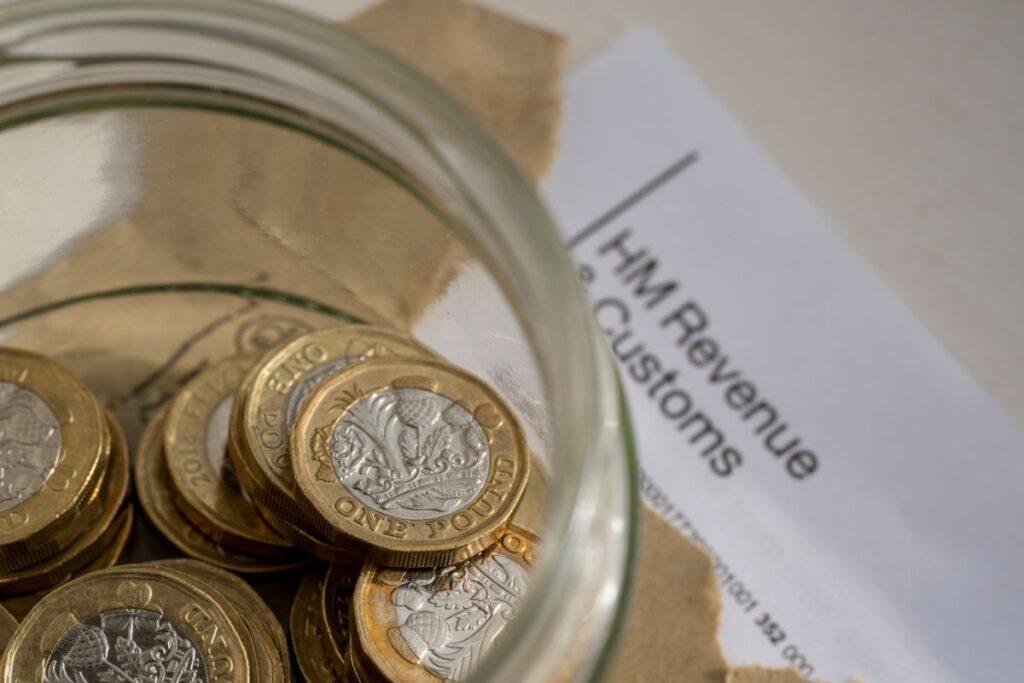
The latest HMRC ISA tax changes have landed, and plenty of savers are uneasy. From April 2027, interest earned on cash held inside a stocks and shares ISA will be taxed at 22%.
It’s part of a wider shake-up meant to nudge people away from cash and towards investing. But providers warn the new rules add complexity, strip away flexibility, and could put off the very investors the government hopes to win over.
- A flat 22% charge will hit interest on cash held in non-cash ISAs from 6 April 2027.
- The cash ISA limit for under-65s drops to £12,000; the overall ISA limit stays at £20,000.
- Savers aged 65 and over keep the full £20,000 cash ISA allowance.
- Non-cash ISAs can no longer be made up of 100% money market funds.
- Transfers from non-cash ISAs into cash ISAs will be banned.
HMRC ISA Changes 2027 — Quick Summary
| Cash ISA limit (under-65s) | £12,000 from April 2027 |
| Cash ISA limit (65 and over) | £20,000 — unchanged |
| Overall ISA allowance | £20,000 — unchanged |
| 22% charge applies to | Cash interest inside stocks & shares ISAs |
| Non-cash to cash transfers | Banned for under-65s |
| Last year of current rules | 2026/27 tax year — right now |
| New rules start | 6 April 2027 |
One Thing Worth Knowing Before April 2027
The tax year we’re in right now — 2026/27 — is the last full year under the current rules. That means today you can still put the full £20,000 into a cash ISA. No 22% charge. No £12,000 cap. No transfer ban. That option closes for under-65s on 6 April 2027, and it doesn’t come back.
If you’ve been putting off using your ISA allowance, this is the year it actually matters.
What’s Actually Changing
The roots of the change go back to last November’s budget. That’s when Chancellor Rachel Reeves announced a sweeping overhaul, including the end of the Lifetime ISA and a lower cash ISA cap for under-65s. The fine print arrived on Tuesday.
Right now, savers can stash up to £20,000 a year across ISAs and pay no tax on returns. From April 2027, under-65s will only be able to put up to £12,000 of that into a cash ISA.
The full £20,000 limit stays for stocks and shares and Innovative Finance ISAs. The idea is simple: get more people investing rather than hoarding cash.
Explanation of 22% Charge
Many stocks and shares ISA providers let customers park money as cash alongside their investments, and that interest has always been tax-free. Not anymore. A government factsheet published on GOV UK confirms a flat-rate 22% charge on any interest or alternative finance return paid on cash held within a non-cash ISA.
There’s a second restriction, too. Investors won’t be able to hold 100% of their stocks and shares ISA in money market funds, low-risk investments that behave a lot like cash. These are still allowed as part of a mix, just not the whole pot. From April 2027, cash-like assets will be defined as money market funds only.
Crucially, ordinary investments are untouched. Individual shares, funds, investment trusts, exchange-traded funds, and corporate and government bonds, including UK gilts, won’t count as cash-like assets.
What that looks like in practice. Say you’ve got £10,000 sitting uninvested inside a stocks and shares ISA earning 4% interest. That’s £400 a year in interest. Under the new rules, £88 of that goes straight to HMRC. It’s not devastating, but it’s money you didn’t used to lose.
There’s a second problem nobody’s really talking about. Some platforms may simply stop paying interest on uninvested cash altogether rather than deal with the new tax complexity. If that happens, you won’t get 78% of your interest. You’ll get nothing on that cash until it’s actually invested.
The practical upshot is simple — don’t sit on large amounts of cash inside a stocks and shares ISA after April 2027 if you can help it.
Also read: Why Is Capita’s Share Price Moving? Breaking Down the Five Biggest Reasons
Why the Rules Exist
The whole point is to stop people gaming the lower cash ISA limit. The Treasury wants to block three specific dodges: parking up to £20,000 of cash in a non-cash ISA long-term to earn tax-free interest, shovelling £20,000 into a non-cash ISA and then transferring it to a cash ISA, and using a £20,000 non-cash subscription to buy wholly cash-like investments.
To close that last loophole, transfers from non-cash ISAs into cash ISAs will be banned. You can still go the other way. If you transfer from a Cash ISA into an investment account, there will be no problem.
Should You Do Anything Right Now?
Yes — if any of these apply to you.
If you hold cash inside a stocks and shares ISA and you’re not planning to invest it soon, think about whether it should actually be in a cash ISA instead. You can still transfer that direction freely right now. After April 2027, that route will be closed for under-65s.
If you haven’t used your full ISA allowance this year, consider it. The 2026/27 tax year is the last one with the full £20,000 cash ISA option on the table.
If you’re approaching 65, the picture is better than you might think. The full £20,000 cash ISA allowance comes back from the tax year you turn 65, and the transfer ban doesn’t apply to you either.
One thing to avoid: rushing into bad investments just because the cash rules are tightening. The changes are a nudge toward investing — not a reason to throw money somewhere you haven’t thought through.
What It Means If You’re 65 or Over
Older savers get a better deal. Anyone aged 65 and over keeps the full £20,000 cash ISA allowance from the start of the tax year in which they turn 65. The transfer restriction falls away at that point, too.
That said, the 22% charge on cash interest in non-cash ISAs and the ban on 100% cash-like portfolios still apply to everyone.
A New ISA for First-Time Buyers
Alongside the crackdown, the Treasury launched a consultation on a new First-Time Buyer ISA. Reporting by The Guardian notes it will be open to anyone over 18, with no upper age limit — a contrast to the Lifetime ISA, which capped new savers at 40.
The Treasury said this recognised “that the age at which a first home is bought is rising”.
It still offers a 25% government bonus, but it is paid only when a property is bought, not yearly. The old 25% penalty for withdrawing the money for other reasons is gone. The £450,000 property price cap, however, looks set to stay — and that’s drawing criticism.
The Industry Isn’t Convinced
Reaction has been decidedly mixed. Building societies broadly welcomed the clarity, but investment platforms are worried.
Rachael Griffin of Quilter said the first-time buyer ISA “marks a clear step towards creating a savings product that better reflects the realities facing aspiring homeowners, but there are issues still to be ironed out”. She flagged the £450,000 cap, unchanged since 2017 despite soaring house prices.
AJ Bell’s Rachel Vahey was blunter, warning the reforms “reduce flexibility, entrench the divide between cash and investment accounts and introduce tax charges and complex age-related allowances”. She added: “Riddled with unintended consequences, the reforms do little to encourage new investors.”
Coverage from Yahoo captured similar unease. Simon Harrington of PIMFA said: “We remain sceptical that these changes will have any real effect on consumer investment behaviour and fear they will do the opposite.” InvestEngine’s Andrew Prosser worried that complexity “could end up putting people off” altogether.
Writing in the Financial Times, the picture was the same. Moneybox’s Brian Byrnes said the changes make “one of the UK’s most important investment products significantly more complex than it is today”. Freetrade’s Alex Campbell warned the 22% charge “may now limit the ability of platforms to market the wrapper as ‘tax efficient”, and hinted some platforms might simply scrap interest on cash to dodge the charge.
What Will Happen Next
The timeline is set. A technical consultation with industry on the draft legislation starts shortly, regulations will be laid in the autumn, and the new rules come into force from 6 April 2027.
That leaves savers and the firms serving them a window to get to grips with a system that’s about to get a good deal more complicated.
Sources & References:
- The Guardian – The first-time buyer ISA tax will apply to anyone over 18.
- GOV UK – A flat-rate 22% charge on any interest or alternative finance return paid on cash will be held within a non-cash ISA.
- Yahoo – Experts believe that these changes will have no real effect on consumer investment behaviour and fear they will do the opposite.
- Financial Times – It is one of the UK’s most important investment products.