
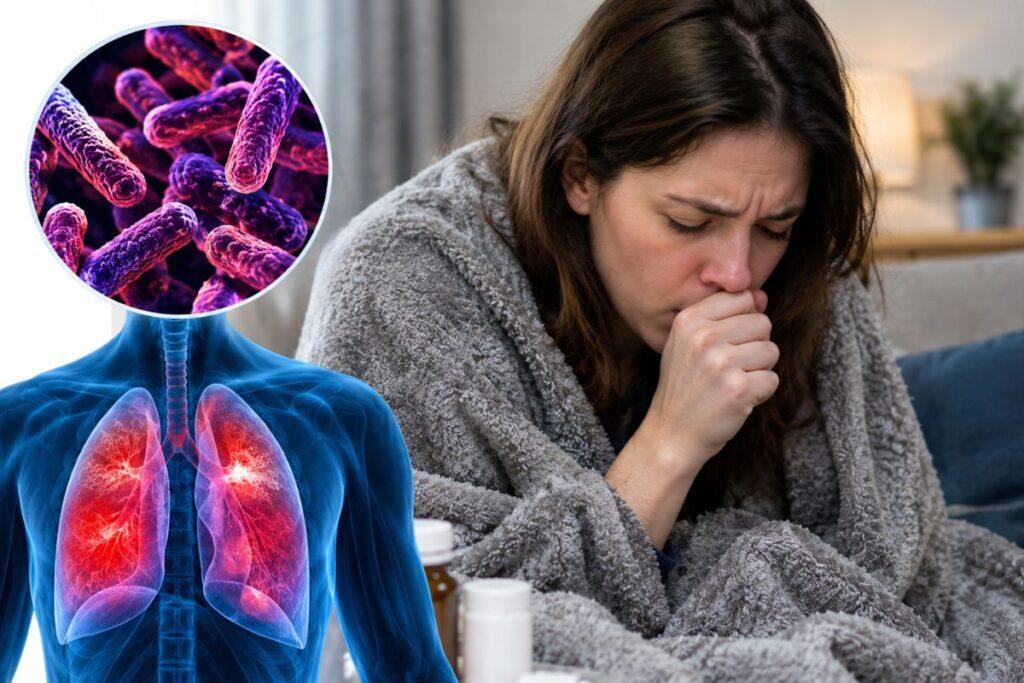
Pneumonic plague is a lung infection caused by the bacterium Yersinia pestis. Untreated, it kills in one to three days. Treated with antibiotics within 24 hours of the first symptoms, most patients survive.
What Happened In Russia?
A woman who worked at an anti-plague research institute in Russia’s Irkutsk region died on October 1–2. Doctors suspect plague. Russia has not confirmed it.
Local reports name her as Daria Shipilova, 28. They say she broke a test tube holding the pneumonic plague pathogen on September 25. She was admitted to Shelekhov Hospital with severe pneumonia of unknown aetiology and died there. The hospital was quarantined, and the staff were isolated. Russian media say 189 people are under medical observation.
Russia’s official account differs. The health watchdog Rospotrebnadzor says she had pneumonia of unknown cause, and that further testing found no microorganisms linked to her work. Alexei Tsydenov, who leads neighbouring Buryatia, first said she died of plague and had never visited his republic. Axios noted that he later edited his post to say she “possibly” died of it. He also said no plague outbreak exists in Buryatia, including the districts along the Mongolian border.
Washington is watching. The State Department said it is aware of reports of a fatal suspected case. Secretary of State Marco Rubio told reporters he is monitoring the situation closely and that it hasn’t caused alarm. President Trump said the US would help if Russia asks. The State Department also told Radio Free Europe it wants Russia to share more information.
Nobody has reported a second case. Axios says there is no evidence so far of person-to-person spread. Most of the detail comes from Russian media, so expect it to shift.
What is Pneumonic Plague?
Plague has three forms: bubonic, septicemic and pneumonic. Pneumonic attacks the lungs. The CDC calls it the most serious form, and it’s the only one that passes from person to person.
You can catch it two ways. Breathing in droplets coughed out by an infected person or animal is one. The other happens when bubonic or septicemic plague goes untreated, and the bacteria reach the lungs.
Also read: How Long Does a Chest Infection Last? UK Recovery Guide
How Soon Do Symptoms Start?
Usually within one to three days of exposure, according to the CDC. Some state health departments list a window of up to six days.
What Happens in the First 72 Hours?
On day one, the fever shows up fast, sometimes within hours. Chills, a pounding headache, weakness and muscle aches come with it, and many people cough from the start. It feels like a bad flu, so people stay home and wait. That’s the mistake. Health agencies say antibiotics need to start within 24 hours of the first symptom.
By day two, the cough gets worse. The CDC describes a fast-developing pneumonia with shortness of breath, chest pain, and mucus that can be watery or bloody. A chest X-ray often shows both lungs affected, but many pneumonias look the same, so doctors lean on exposure history and lab tests.
Day three is when untreated patients crash. The lungs fail and blood pressure drops into septic shock. One medical source puts death at 18 to 36 hours after symptoms begin. Others give a window of up to three days.
How Deadly is Pneumonic Plague?
Without treatment, nearly everyone who gets it dies. With antibiotics started inside the first 24 hours, recovery rates are high, according to Healthline’s medical review. Each hour of delay costs you.
It’s also rare. The world records roughly 1,000 to 2,000 plague cases a year, mostly in the Democratic Republic of Congo, Madagascar and Peru. The western US sees a handful annually, and most are bubonic.
Also read: How Long Does Norovirus Last in the UK: Recovery Timeline & Care
Where Did Plague Come From?
It lives in wild rodents and the fleas that feed on them. Central Asia, including the steppe along the Russia and Mongolia border, has carried natural plague for centuries. That’s why Siberia hosts anti-plague institutes. One expert told NewsNation that the region is where Russia does a large share of its plague research.
Three big pandemics shaped history. Justinian’s Plague hit the Byzantine Empire in 541 CE and killed millions. The Black Death reached Europe in 1347 and killed an estimated 75 to 200 million people, wiping out somewhere between a third and half of Europe. The third pandemic began in China’s Yunnan province in the 1850s, spread from Hong Kong after 1894, and killed about 12 million, mostly in India.
The worst pneumonic outbreak on record hit Manchuria in 1910 and 1911. It traced back to infected tarbagan marmots, and about 60,000 people died. Dr. Wu Lien-teh argued the disease traveled through the air and pushed for cloth masks and quarantine. He was right, and the outbreak led to the 1911 International Plague Conference in Mukden.
More recently, Madagascar’s 2017 outbreak produced over 2,400 cases and around 200 deaths, most of them pneumonic.
How Does it Spread, and How Do Doctors Contain it?
It spreads through droplets from a coughing patient, and it requires close contact. It’s far less contagious than measles or COVID-19, which is why quarantine works.
Patients stay isolated for at least 72 hours after starting antibiotics, though some hospital guidance uses 48. Contacts usually get doxycycline for seven days after their last exposure. That’s likely what’s happening to the 189 people in Irkutsk. Healthcare workers wear N95 respirators.
Doctors don’t wait for test results. A preliminary result can come back in about two hours, but confirmation takes 24 to 48, so they treat on suspicion. First-line drugs are levofloxacin and moxifloxacin. Severe cases also need oxygen, IV fluids and sometimes a ventilator. The US has no approved plague vaccine.
How Can You Protect Yourself?
Most people don’t need to do anything. If you live in or travel to an area with plague, stay away from sick or dead animals, especially rodents. Use flea repellent, treat your pets for fleas, keep food sealed and don’t sleep near burrows.
If you’ve been close to someone with suspected pneumonic plague, call a doctor about preventive antibiotics. If fever and cough hit after that kind of exposure, go to a hospital the same day and say the word “plague” so staff can isolate you.
FAQ’s
Q. Is pneumonic plague contagious?
A. Yes, through coughing and close contact.
Q. How fast can it kill?
A. Untreated, often within one to three days of the first symptoms.
Q. Can it be cured?
A. Yes, if antibiotics start early.
Q. Has Russia confirmed plague?
A. No. Authorities describe the case as pneumonia of unknown cause.
Q. How many have died in the Russian case?
A. One, as of the latest reports. 189 people are under observation.
Q. Is there a risk outside Russia?
A. No spread has been reported, and US officials say they’re monitoring without raising an alarm.
Q. What’s the first sign?
A. Sudden high fever, chills and cough.
Sources
- The Hill- Worries grow about suspected plague outbreak in Russia
- ABC News – Trump says US would help Russia amid reported fatal case of pneumonic plague
- Axios– Russia’s plague mystery: What we know about the suspected outbreak
- NewsNation- Woman dies of suspected plague infection in Russia, multiple reports say
- The Moscow Times- Nearly 200 People Under Observation After Irkutsk Lab Worker Dies From Plague
- CNBC- Russia plague: What we know about the suspected case reportedly linked to a lab worker’s death
- Outbreak News Today- Russia: 189 people under observation after lab worker dies of possible pneumonic plague
- Healthline – Plague: Symptoms, Causes and Treatment
Disclaimer: For general information only. If you suspect plague, get emergency care.