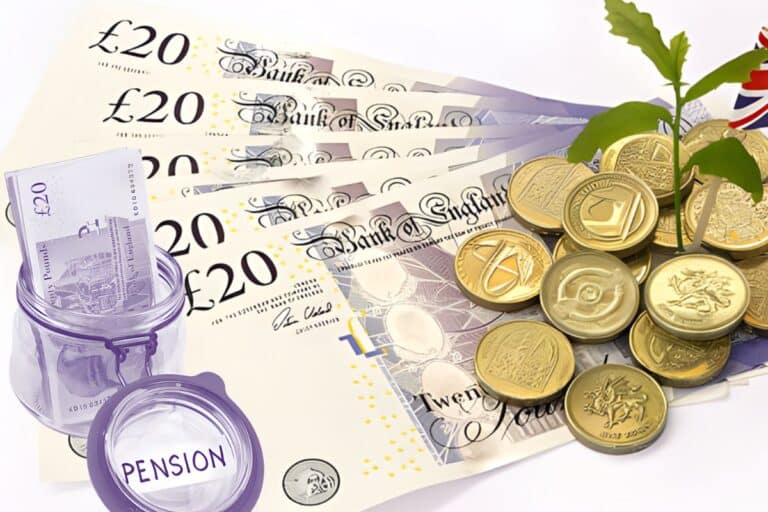

Quiet change, but April 2026 meant more cash for plenty of people. The UK minimum wage changes from April 2026 started from 1 April, with the National Living Wage climbing to £12.71 per hour for workers aged 21 and over. Previously it was £12.21-that’s 4.1% more. The younger brackets saw even steeper rises. The 18-20 group went to £10.85, and 16-17 year-olds moved to £8.00. This isn’t government paperwork stuff. For millions of workers across the UK, it’s their actual wage.
- The National Living Wage hit £12.71-a 4.1% rise that comfortably beats the year’s inflation forecast of 1.8-2.0%
- Younger workers got the biggest bumps: the 18-20 rate jumped 8.5% to £10.85, one of the sharpest rises across any age band
- According to the Low Pay Commission, minimum wage rises haven’t tanked job numbers. The Bank of England keeps an eye on wage inflation, but that’s about it.
- Employers who provide staff accommodation need to update their numbers too-the offset crept up to £11.10 from £10.66
- It wasn’t just wages that changed. Statutory Sick Pay quietly rose to £123.25 per week on the same date, adding to employer cost pressures
UK Minimum Wage April 2026
| Age Group | New Rate | Old Rate | Change |
|---|---|---|---|
| 21 and over (National Living Wage) | £12.71/hr | £12.21/hr | +4.1% |
| 18–20 years | £10.85/hr | £10.00/hr | +8.5% |
| 16–17 years & Apprentices | £8.00/hr | £7.55/hr | +6.0% |
| Accommodation Offset | £11.10/day | £10.66/day | +4.1% |
| Statutory Sick Pay | £123.25/week | £116.75/week | +5.6% |
All rates effective from 1 April 2026.
What Changed in April 2026?
The government didn’t haggle this time. It accepted every single recommendation put forward by the Low Pay Commission for 2026-no cuts, no tweaks. The LPC is an independent body with employer reps, worker reps, and outside experts all at the same table. They crunch the numbers, weigh up the economy, and tell the government what rates should look like. This year, the government listened.
As for the rollout, 1 April 2026 was the official date, but employers are legally required to apply the new rates from the first full pay reference period starting on or after that date. Most payroll software handled the headline change fine. The problems crept in elsewhere – unpaid training sessions, deductions that hadn’t been reviewed, working patterns that hadn’t been checked against the new thresholds.
Why These UK Minimum Wage Changes in April 2026 Matter
The government has set itself a target: keep the National Living Wage above two – thirds of median earnings. The April 2026 increase sticks to that plan. In actual money terms, someone working 40 hours a week on £12.71 pockets roughly £26,436 a year before tax. For families that are already juggling bills, that’s not pocket change-it’s real.
But the increase came with some friction nobody really planned for. Experienced staff who’d worked their way to a rate just above minimum found the gap between them and new starters suddenly shrinking. Pay compression, it’s called-and it quietly damages morale. Others were confused when their pay didn’t seem to reflect the rise at all, usually down to deductions or unpaid hours that hadn’t been properly accounted for.
Also read: UK Pensioners & the France Tax Bill: What’s Really Going On?
Impact on Different Regions
Minimum wage effects vary across the country. According to the Centre for Cities research, larger wage floor increases hit harder in lower – wage areas where more jobs cluster near the minimum. In higher – wage cities like London, fewer workers depend on statutory minimums, so regional economic effects differ significantly. The national rate applies uniformly across the UK – there’s no London weighting despite the capital’s higher living costs, meaning regional imbalance remains a structural issue.
Real Living Wage vs National Living Wage
Don’t mix the two up. The National Living Wage at £12.71 is the legal floor-the bare minimum employers must pay. The Real Living Wage is a separate figure, set voluntarily by the Living Wage Foundation using actual cost of living data. From May 2026, it’s £13.45 outside London and £14.80 inside it. Nobody forces employers to pay it. Yet over 16,000 UK businesses have signed up, because the reality is, workers paid enough to live on tend to stick around longer and work better. For employees, the difference is real money every single week.
What Employers Need to Know
Pay compliance goes beyond the headline rate. Deductions for uniforms, accommodation, or travel; unpaid training; and variable hours all affect whether workers actually receive the legal minimum.
According to the Low Pay Commission, roughly 6% of jobs sat at the National Living Wage in April 2025, but that only accounted for 2.5% of the total weekly wage bill. Part-time hours explain most of that gap. What doesn’t get talked about enough is where compliance quietly breaks down-a supervisor covering an extra shift that never gets logged, casual workers whose fluctuating hours throw off the weekly average. Good intentions don’t always equal correct payslips.
Also read: How Long Does It Take HMRC to Process a VAT Refund in the UK?
What If Your Employer Hasn’t Paid the New Rate?
Let’s be honest. Not every employer sorted this out on time. Some genuinely made a mistake. Others are hoping nobody notices. And a surprising number of workers have no idea what they’re actually entitled to, which is exactly how some employers prefer it.
So here’s what to actually do.
First, have a direct conversation. Go to whoever handles payroll and ask them specifically which pay reference period they applied the new rate from. It should be your first full pay period starting on or after 1 April 2026. If that’s a weekly rota that starts on Mondays, it should have kicked in from the first Monday of April. If they can’t tell you the answer, or they start waffling, that’s your first sign something’s off.
If the conversation goes nowhere — or they flat-out refuse — HMRC has a dedicated team for this. You can report your employer through GOV.UK. The complaint can be made anonymously if you’re worried about things getting awkward. HMRC then investigates, forces full back-payment of everything owed, and can fine the employer on top of that. The fine can be up to 200% of the underpayment, per worker. That stings.
One thing a lot of people don’t realise: sacking someone or treating them badly for raising a minimum wage complaint is automatically classed as unfair dismissal. Your employer has no legal leg to stand on if they go down that route. Most of them know it.
Keep your payslips. Keep your rota. Keep any text messages about your shifts. If it ever comes to a formal complaint, documentation is everything.
Pay Compression: The Quiet Problem
Here’s the bit the government announcements always gloss over.
When the minimum wage jumps — and for the 18–20 group, 8.5% is a proper jump — it doesn’t just affect the people at the bottom. It quietly squeezes everyone just above them, too.
Picture this. You’ve been at your job for two years. You worked your way from minimum wage up to £13.20 an hour. You’re quietly pleased with yourself. Then April comes around, a brand new starter walks through the door, and they’re on £12.71 from day one. The gap between you — representing two years of showing up, learning the job, covering for people — is now 49p an hour.
That’s pay compression. And it doesn’t make people quit immediately. It makes them slowly stop caring. It makes the experienced workers disengage, stop going above and beyond, start looking at job boards. By the time a manager notices, half the institutional knowledge has already handed in its notice.
The government’s job is to set the floor. Making sure the whole structure above that floor stays fair — that’s down to employers. And a lot of them aren’t doing it.
If you’re in this position, bring it up at your next review. Don’t frame it as “the minimum wage went up so I want more money.” Frame it around what your experience and time in the role is actually worth on the open market. If your employer has no answer to that, the market will answer it for you eventually anyway.
FAQ’s
Q. What is the UK minimum wage from April 2026?
A. From 1 April 2026, it’s £12.71 per hour if you’re 21 or over. Younger workers get different rates depending on their age.
Q. Does the minimum wage increase apply to part-time workers?
A. Yes, full stop. Part-time, casual, zero-hours, doesn’t matter. If you’re eligible, you’re entitled to the new rate, no exceptions.
Q. What happens if my employer hasn’t updated my pay?
A. Legally, they must apply the new rate from your first full pay reference period starting on or after 1 April 2026. Start with a conversation with them first to check your payroll dates. If they refuse to update it after that period, HMRC can step in, investigate, and recover what you are owed.
Q. Is the National Living Wage the same as the Real Living Wage?
A. Nope. The National Living Wage is what the law says employers must pay – £12.71. The Real Living Wage is voluntary and higher: £13.45 outside London, £14.80 in it. Based on actual living costs, not just political numbers.
Q. Will minimum wage rates rise again in 2027?
A. Probably. The Low Pay Commission is eyeing lowering the age threshold from 21 to 20 from 2027, possibly down to 18 later on. Annual increases are expected to keep coming, depending on how the economy looks.
Sources & References
- GOV.UK – National Minimum Wage Rates 2026
- GOV.UK – The National Minimum Wage in 2026
- Low Pay Commission Blog – Minimum Wage and Inflation Explained
- Acas – National Minimum Wage Entitlement Guidance
- Living Wage Foundation – Real Living Wage
- Trust for London – Living Wage Rates Explained
- Centre for Cities – Minimum Wage UK Analysis
- Reuters – UK Government Approves 4.1% Minimum Wage Rise for 2026