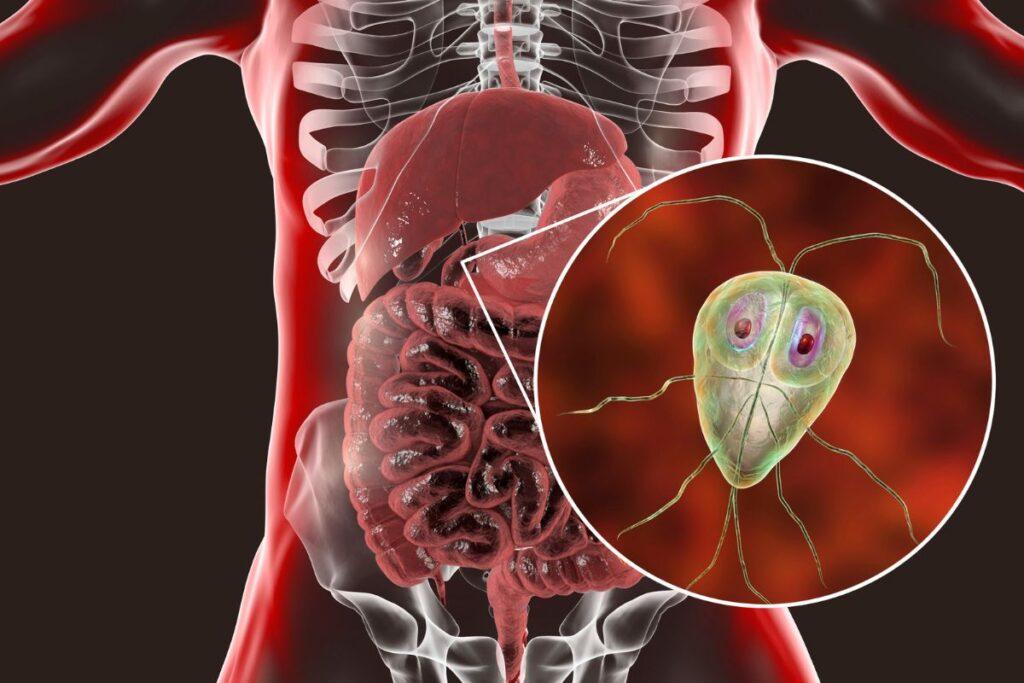
Quick Answer: Yes. It’s giardiasis; it’s a parasite, and England just recorded 6,069 cases in a single year. Worst figure since 2016. It peaks in autumn, so September to November is the busiest window.
Spent the week sprinting to the loo, typing “Is there a stomach bug going around right now in the UK?” into your phone at 2 am? The UK Health Security Agency (UKHSA) has reported it, and it isn’t the winter vomiting bug everyone assumes.
- There were 5,450 cases in 2024 and 6,069 in 2025, an increase of 619 cases, or 11.4%.
- The rate climbed from 9.3 to 10.4 per 100,000, up 11.8%.
- London led with 1,568 cases, 17.3 per 100,000, up 29.1%.
- October was the worst month at 599 cases, with September and November at 580 and 574.
- Adults aged 30 to 39 made up 20.0% of cases; 64.2% of reports were male.
What Giardiasis Actually Is
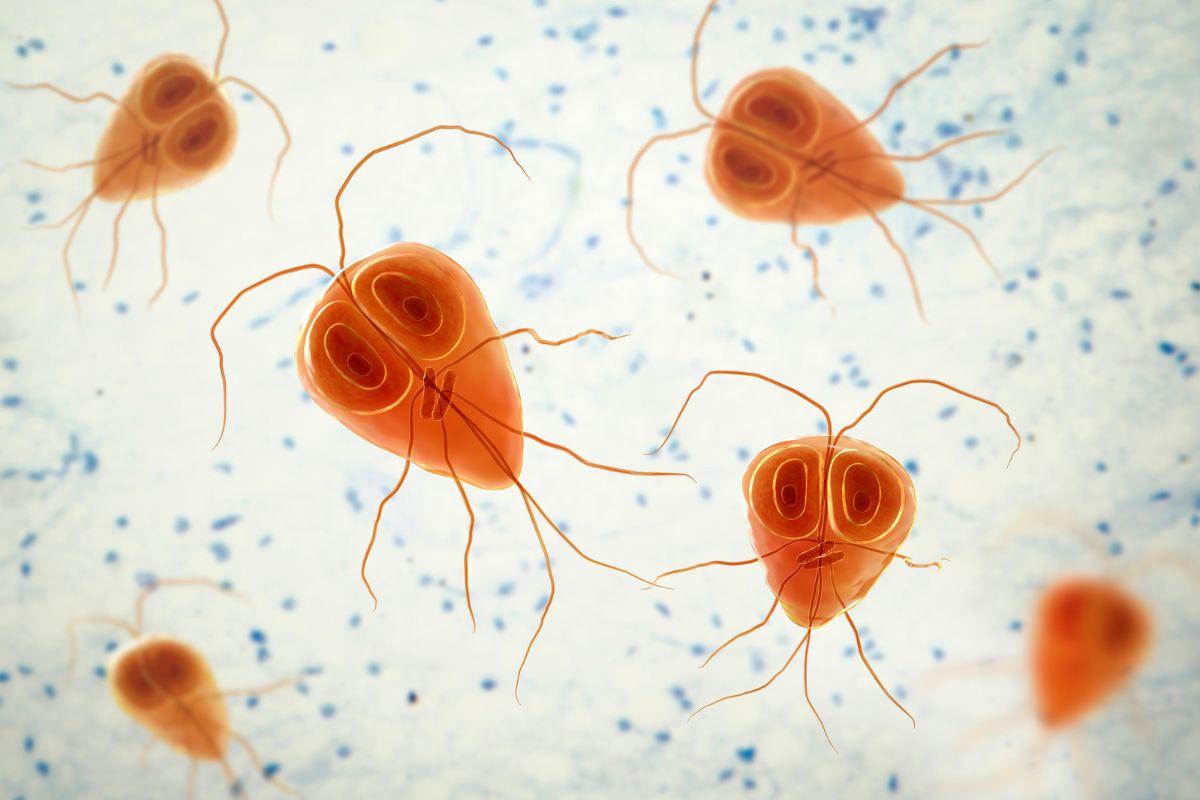
It is a single-celled parasite known as Giardia duodenalis, also written as Giardia intestinalis or Giardia lamblia. It moves into your small intestine and settles in.
Globally, giardiasis infects hundreds of millions of people each year and is a leading cause of parasitic diarrhoea. It sheds cysts in poo, tough little things that shrug off water and surfaces. Ten is enough to floor you. Ten. Of at least seven genetic types, two go for humans: A and B.
Also read: How Long Does a Chest Infection Last? UK Recovery Guide
Symptoms and How Long They Last
The main symptom is diarrhoea. The NHS also reports cramps, tummy pain, farting, burps, bloating and weight loss. Chuck in nausea and a wrung-out feeling that drags on for weeks after.
Symptoms turn up one to three weeks after you catch it, sometimes taking 5 to 25 days to show. Roughly a quarter of people get infected and feel fine, quietly passing it on. Kids are the worry, especially under-twos, where weeks of untreated infection can lead to weight loss, malnutrition and stunted growth. Some adults come out with IBS or lasting fatigue.
Nicola Love, Senior Food Safety Surveillance Lead at UKHSA, said:
“We are seeing a rise in giardiasis in the UK. Symptoms can last from weeks to several months, and if left untreated, they can cause serious complications, especially in young children, the elderly and those with weakened immune systems.”
How the Bug Spreads
It spreads by faecal-oral routes. Cysts from someone’s infected faeces can be swallowed through depressingly ordinary routes:
- Contaminated sources of water like streams, lakes, wells, pools, whirlpool spas, public supply, and even the food rinsed or made with that water.
- Close household contact, including nurseries and young children.
- Animals like cats, dogs, and farm ruminants.
- From sex. It can be oral-anal contact or contaminated fingers.
Travel matters too. Cases keep landing in people who are back from Southern Asia, Southeastern Asia, Africa and South America. Closer to home, English outbreak work has traced infections to open-water swimming events. Risk is higher among gay, bisexual and other men who have sex with men, which explains the lopsided male-to-female split of 1.82 to 1.
Ten Years of Case Numbers in England
| Year | Lab reports | Rate per 100,000 |
| 2016 | 4,290 | 7.8 |
| 2017 | 4,712 | 8.5 |
| 2018 | 5,489 | 9.8 |
| 2019 | 4,840 | 8.6 |
| 2020 | 2,843 | 5.0 |
| 2021 | 2,175 | 3.8 |
| 2022 | 3,581 | 6.3 |
| 2023 | 4,594 | 7.9 |
| 2024 | 5,450 | 9.3 |
| 2025 | 6,069 | 10.4 |
Rates are taken from the Office for National Statistics mid-2024 estimates.
Who’s Catching It
Everywhere rose in 2025 except the South East, down 4.7%. After London, the North West took it worst with 1,029 cases. East of England got off lightest at 4.0 per 100,000. Deprivation barely shifts it, rich postcodes and poor alike.
Adults aged 30 to 39 racked up 1,199 cases, two-thirds of them men. Every single month of 2025 came in above the five-year average. Yet only one outbreak was reported nationally: a nursery last December, seven ill, three confirmed, nobody hospitalised or died.
Why Cases are Rising
Testing, mostly. The GOV.UK surveillance report leans that way. Labs have switched to multiplex gastrointestinal PCR, which detects several bugs in one sample and identifies infections that old microscopy missed.
Travel is suspect two. Trips vanished in the pandemic, bounced back to pre-pandemic levels by 2023, and have risen since. Third, weather: heavy rain and flooding shove dirty water into rivers, lakes and supplies.
Writing in The Conversation, researchers reckon the rise is genuine but nowhere near panic. A summary by Beacon flags the catch: UKHSA hasn’t split that extra 619 between smarter testing and more illness, and 2026’s totals aren’t out. Europe sees the same autumn spike. Whatever the mix, the real number is bigger than the official one.
Treatment and When to See a GP
Many just recover on their own. When you need drugs, it’s nitroimidazoles, usually metronidazole or tinidazole, sometimes nitazoxanide, and most folk are right within a week. Keep drinking.
Awkwardly, infections that ignore standard treatment are becoming more common here, especially among children seeking asylum and travellers returning from India.
Drug resistance is one theory, and reinfection from family is another.
Book a GP appointment if diarrhoea lasts more than seven days, if there’s blood, or after contact with a confirmed case. UKHSA adds: Ring your GP or NHS 111 if you or your child get dehydrated, or if diarrhoea worsens or lasts beyond three days.
How to Avoid It
Wash your hands with soap and water after the loo, nappies, and the dog before you cook. No swimming for two weeks after the diarrhoea stops, and give sex a miss for a few weeks too.
When abroad, drink only bottled water, eat cooked food instead of salad rinsed under a tap, and keep your mouth firmly shut in rivers, lakes, and seas.
Is It Norovirus Instead?
Maybe, but the calendar says otherwise. Norovirus arrives fast, mostly vomiting, and clears in days. It’s a winter thing. Hospital outbreak reports through summer 2026 remained well below the five-season average. As The Independent put it when the figures dropped, giardiasis is the one on the up.
FAQs
Q. Is there a stomach bug going around right now in the UK?
A. Yes. Giardiasis has been at its highest since 2016, and autumn is its busiest stretch. Norovirus is about too, but that kicks off in winter.
Q. How long does giardiasis last?
A. About a week with treatment. Ignore it and you’re stuck for weeks or months, plus lingering exhaustion.
Q. Is giardiasis contagious?
A. Very. Households, nurseries, sex. Washing hands properly with soap beats everything else.
Q. Can you catch it in the UK without going abroad?
A. Easily. Loads of cases start at home: swimming water, pets, or whoever you live with.
Q. What’s the fastest way to treat a stomach bug?
A. Fluids and rest. Still going after three days, or getting worse? Ring your GP or NHS 111.
Q. When can I swim again after a stomach bug?
A. You can swim again two full weeks after the diarrhoea has completely stopped. Pool, lake, sea – all of them are fine.
Sources & References:
- Independent – UKHSA reports that giardiasis is the one trending upwards.
- The Conversation – Researchers reckon the rise is genuine but nowhere near panic.
- GOV.UK – Labs have switched to multiplex gastrointestinal PCR, which detects several bugs in one sample and identifies infections that old microscopy missed.
- Beacon – UKHSA hasn’t split that extra 619 between smarter testing and more illness, and 2026’s totals aren’t out.
Disclaimer: This article is for general information only and is not a substitute for professional medical advice.