
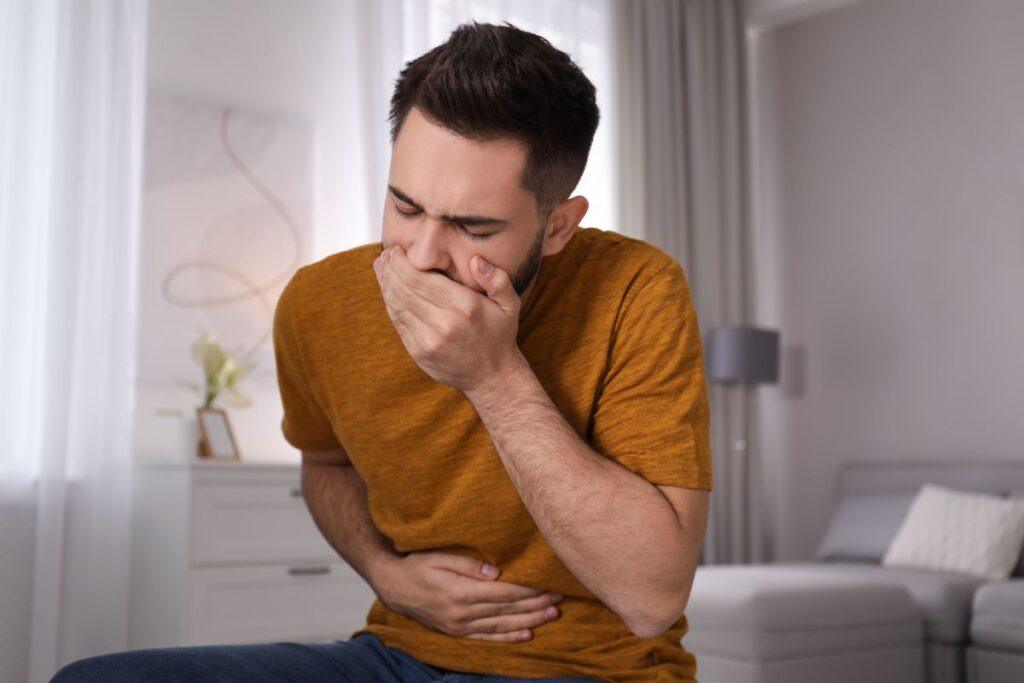
So you’ve been hit by food poisoning and now you’re lying googling how long food poisoning lasts, praying the answer is “not much longer”. Good news: most of the time it’s grim but brief.
Many people feel better within a day or two, and nearly everyone’s sorted within a week. Your body’s basically doing a deep clean. Here’s the honest lowdown on the timeline, what helps, and when to actually worry.
- Symptoms often appear 2 to 6 hours after eating, though sometimes it’s days.
- Most people bounce back in 1 to 2 days; symptoms usually last 12 to 48 hours.
- Nasty cases can drag on up to 2 weeks, occasionally longer.
- Sipping fluids matters way more than any tablet.
- Campylobacter is the main reason for food poisoning in the UK.
When Does Food Poisoning Show Its Effects?
Everyone assumes food poisoning hits the second you eat something dodgy, but nope, it’s sneakier than that. The NHS reckons symptoms usually start within a few hours or a few days of eating the food that caused it, and every now and then they don’t show up for weeks. Brilliant, eh? You can be tucking into dinner blissfully unaware.
It all comes down to which bug you’ve copped. Some take their time. The speedy ones, like Staphylococcus aureus, can floor you within 30 minutes to 8 hours — usually with cramps and nausea, and then the vomiting kicks off. Others sit quietly for a day or two before they strike.
How Long Does Food Poisoning Last?
The Cleveland Clinic says signs can appear two to six hours after eating contaminated food or drink and that symptoms typically last 12 to 48 hours. As they put it, the food poisoning timeline is generally quicker than many other common illnesses — though it may not feel like it at the time. And honestly, it doesn’t. Time crawls when you’re living on the bathroom floor. Roughly, here’s how it plays out:
- First few hours: That sinking “oh no” feeling, plus cramps and nausea.
- 6 to 24 hours: The main event — vomiting and the runs as your body chucks the bad stuff out.
- 24 to 48 hours: Things start easing off and you feel a bit less wretched.
- Day 3-ish: Most people are properly on the mend.
But it’s not the same for everyone. One writer for CNN described his own bout perfectly: his other half felt better after a few hours, while he didn’t fully recover until two days later. Same meal, totally different recovery.
Gastroenterologist Dr Pratima Dibba notes cases can last anywhere from one to two days up to two to four weeks after exposure. And toxicologist Nima Majlesi gave a weirdly comforting line: “Generally speaking, the more severe, the shorter the duration.” So the really violent bouts often burn out fastest.
What Causes Food Poisoning?
You’ve swallowed food or water with germs or toxins in it. Usually it’s because something was undercooked, left out too long, stored badly, eaten past its use-by date, or handled by someone who didn’t wash their hands. And it can be literally any food — no food is safe from a mucky kitchen.
In the UK, Campylobacter is the big one, often from undercooked chicken or unpasteurised milk. Then you’ve got salmonella (raw eggs, dodgy poultry), E. coli (undercooked meat, raw veg), listeria (soft cheeses, deli meats — proper dangerous in pregnancy), and norovirus, the infamous winter vomiting bug.
Here’s a grim little fact: bacteria go mad in the “danger zone” between 40°F and 140°F. The US Department of Agriculture says bugs like E. coli and Salmonella can double their numbers in under 20 minutes if food’s left sitting out. Twenty minutes. That’s quicker than your takeaway goes cold.
Also read: UK Health Guide 2026: Symptoms, Recovery Times & NHS Advice
How to Feel Better Quickly
I’ll be straight with you — there’s no magic cure. Your body just needs roughly 24 to 48 hours to flush the toxins. What you can do is stay comfy and dodge dehydration, which is the genuinely dangerous part.
Keep sipping fluids – water or squash in tiny sips if you’re feeling sick. Give fruit juice and fizzy drinks a miss, because they can make the diarrhoea worse. Lay off solid food for the first 24 hours and let your poor gut have a breather. After that, ease back in gently. The BRAT diet — bananas, rice, applesauce, and toast — is your friend, and dry crackers help top up lost salts.
Adults can ask a pharmacist about oral rehydration powder or loperamide (Imodium) to plug the runs for a few hours, and Pepto-Bismol can take the edge off too. But don’t give anti-diarrhoea stuff to under-12s, and never give aspirin to under-16s. Little ones do best with a rehydration solution like Pedialyte. Watch the sugar in electrolyte drinks, mind — too much can actually make diarrhoea worse, mind.
Who Needs to Be Extra Careful?
Anyone can get it, but some folk get hit harder. Kids under 5, anyone over 65, pregnant women, and people with dodgy immune systems are all more at risk — mostly from dehydration. According to the Knowledge Academy, listeria during pregnancy is serious, as it can cause miscarriage or stillbirth.
When to Stop Googling and Get Help
Most of the time, you’ll never need a doctor. But ring NHS 111 if you can’t keep fluids down, you’ve got bloody diarrhoea, you’re showing signs of dehydration (dark, smelly pee or going less than usual), or you’ve had diarrhoea for over 7 days or been sick for more than 2 days.
Call 999 or get to A&E for vomiting blood, green vomit, a stiff neck, a sudden splitting headache or tummy ache, confusion, or trouble breathing. Overall, food poisoning is absolutely miserable, but it’s usually a short, sharp shock. Rest up, keep the fluids going, and you’ll most likely be grand in a few days.
FAQ’s
Q. Can food poisoning go away on its own?
A. Yep, usually. Your body clears the toxins by itself, and most people feel better in a day or two with no medicine at all. Just rest and keep sipping fluids.
Q. How long am I contagious with food poisoning?
Ans: Depends on the microbe, but you can spread germs through vomit or poo for days, sometimes weeks. Wash your hands properly and stay off work or school until 48 hours after symptoms stop.
Q. What’s the difference between food poisoning and a stomach bug?
A. Food poisoning comes from contaminated food or drink. A stomach bug, often norovirus, usually passes person to person. The symptoms are nearly identical, so they’re dead easy to muddle up.
Q. Should I make myself sick to get rid of food poisoning?
A. No, don’t. Forcing yourself to be sick won’t help and can do harm. Let your body handle it naturally and focus on staying hydrated instead.
Q. What should I eat after food poisoning?
A. Start with bland, plain stuff — bananas, rice, toast, and crackers — once you fancy them. Skip fatty, spicy, dairy and high-fibre foods until your stomach’s properly settled.
Q. When is food poisoning an emergency?
A. Get urgent help if you’ve got bloody diarrhoea, can’t keep any fluids down, feel confused or dizzy, or show signs of bad dehydration. Those need looking at straight away.
Sources & References:
- Cleveland Clinic – Signs of food poisoning can appear two to six hours after eating contaminated food or drink.
- NHS – Symptoms may last for weeks.
- CNN – An individual may feel better in hours but it takes days to fully recover.
- The Knowledge Academy – Listeria during pregnancy is serious.



Magnificent beat ! I wish to apprentice whilst you amend your website, how
could i subscribe for a weblog website? The
account helped me a applicable deal. I had been a little bit
familiar of this your broadcast provided brilliant transparent concept