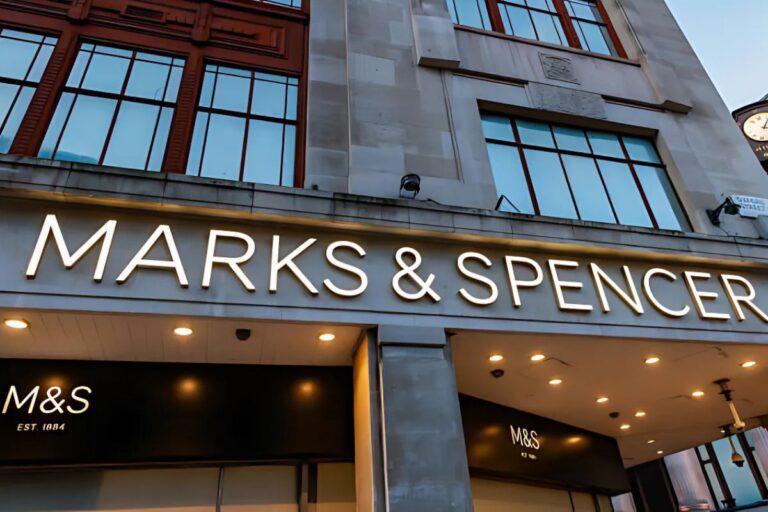

While many entrepreneurs are embracing a virtual office for company registration, critics have expressed their perception that it renders companies unprofessional and unreliable. However, it offers the same professional image as a traditional office, but you do not need to be physically located in the area.
Just as a brick-and-mortar office provides your business with a professional presence, a virtual office also boosts the company’s professional image through a business address. Business addresses are situated in prestigious commercial areas, and when a company is registered, it creates the perception that the business is physically located in that area. With a business address, companies can choose to incorporate their business in any jurisdiction they prefer.
Apart from a business address, they come with additional services, including administrative and call-answering services. Once your company is formed, you don’t have to worry about your mail; wherever you are operating your business from, you will receive your mail by email or have it forwarded to your designated address.
The address also comes with call answering and phone number services. Whether you need a UK or a US virtual number, a landline number, or want help with your clients’ calls being handled professionally, a virtual office gets you that.
Here are some of the myths and misconceptions about virtual offices for company registration.
A Virtual Office is Not Legal

While some countries or institutions may not accept a virtual office as a registered office address, it does not mean it is illegal. Many countries, such as the UK, the UAE, Hong Kong, Estonia, and the US. However, the US may require physical representation, such as a registered agent.
In the UK, a virtual office can be used to register a company if it meets the requirements for a registered office address. It must not be a P.O. Box but must be physically located in the same jurisdiction as the company is registered, and must be accessible to receive mail and acknowledge it.
They provide a legitimate professional business address, which is where the service provider’s offices are, and address businesses’ needs without the need for a physical office or to live in that jurisdiction.
Special Remark from James Riley, Head of Business Support at Icon Offices
When we spoke to James Riley, Head of Business Support at Icon Offices, he emphasised that virtual office addresses are a legitimate and professional solution for businesses when they meet the applicable legal requirements.
“At Icon Offices, They help thousands of startups and entrepreneurs from around the world establish their business presence. A virtual office address is a completely legal solution when it complies with the relevant regulations. However, many new entrepreneurs and startup owners still need better information about how virtual offices work and how they can benefit their businesses.
They helps businesses reduce operating costs while maintaining a professional image. It allows entrepreneurs to establish a credible business presence without the expense of renting a traditional office, giving them greater flexibility to focus on growing their businesses.”
James’s comments highlight the importance of educating entrepreneurs about virtual offices as a cost-effective, professional business solution, while understanding that address requirements vary by country and the purpose for which the address is used.
Virtual Offices Are Less Credible
Some providers may offer one business address to several businesses, which raises doubts about the legitimacy of the company. However, by doing proper research and due diligence when searching for a virtual office service provider, this problem can be avoided. They are professional and offer services like mail handling and call answering services.
Additionally, They let business owners keep their residential address private, boosting professionalism and protecting personal security. A virtual office for company registration means that the business address will be made available in the public register.
Virtual Offices Are Meant For Startups

Businesses of all sizes can use virtual offices. Many may think that a virtual office doesn’t have the infrastructure to support established businesses. Freelancers, startups, established companies, and international companies can use a virtual office to register a company and benefit from the services it offers.
They offer a business address that gives a professional presence in any market, privacy and security for business owners and company directors, flexibility to scale without limitation, and cost savings compared to a physical office.
Virtual offices aren’t just a “startup hack” – they’re a smart business solution for companies that want to stay agile, professional, and cost-effective.
Virtual Offices Are Expensive
Another common misconception that is far from reality is that virtual offices are expensive. Compared to physical office space, a virtual office is way more affordable since it eliminates the need for a commercial space and overhead costs.
With a virtual office, a business owner does not need to lease a commercial space; they can operate remotely from anywhere while maintaining a presence in the jurisdiction where they have registered their company.
If at all the business needs an office, the business owners have the flexibility of renting modern offices which come furnished with office furniture, equipment, and utilities. This also eases the cost burden of purchasing office furniture and equipment, which can be expensive, especially when starting a business.
They also reduce overhead costs. The service includes additional support, such as mail handling and call answering, meaning there is no need to hire employees to help you sort your mail or customer calls. Their service providers also offer other company services like accounting, structural changes, and compliance support, all packaged at an affordable price.
Virtual Office Attracts More Tax Scrutiny
A virtual office business address is like any other business address in a commercial building. When it comes to tax scrutiny, the main issue isn’t the virtual office, but whether the registered office address is the true location of where the company is registered.
Tax laws have adapted to the new work models, and using a virtual office correctly complies with tax obligations. In the UK, using a virtual business address for company registration requires that the address be available to receive tax notices from HMRC.
For international business operators, HMRC will use the address for all tax correspondence and invoices. With the mail handling services, the mail will be scanned and sent to you via email or forwarded to your designated address for immediate acknowledgement.
In Conclusion
many countries are adapting to the new working model of the use of a virtual office. While it has not been fully accepted worldwide, it does not mean that they are illegal. They enhance market expansion without the need to acquire a visa and travel to that country.
It also eliminates the expense of leasing a commercial office space when starting or expanding to other markets. With a virtual office, you can operate your business remotely. Apart from leasing expenses, they have also reduced overhead costs. With the services that come with a virtual office, business owners do not need to hire employees to help with administrative tasks and calls.
So, critics’ misconceptions about the virtual office for company registration are far from reality. By choosing the right service provider, business owners do not have to experience the trouble of sharing an address with several businesses, compromising the legitimacy of their company. Icon Offices ensures its clients have a unique business address and suite number. Once you rent a business address with us, no other company will be able to use it.
Addresses are legal and comply with UK law, and can be used for company incorporation. They help clients sort their mail and offer call-answering services. Apart from that, they also offer company services that ensure companies comply with Companies House and HMRC.