

Ask anyone who bought their first flat in the last couple of years what surprised them most, and you’ll rarely hear about the house itself. You’ll hear about the solicitor who wanted £300 before doing anything at all. Or the lender who suddenly needed three months of payslips by Friday. Or the removal quote that came in at twice what they’d guessed. The property hunt is the fun bit. Everything around it is where first-time buyers get caught out. Here are the 10 things every first-time buyer should know before buying a home, in roughly the order you’ll run into them.
Why First-Time Buyers Need to Prepare Before Starting Their Home Search
Once you make an offer, things move fast, and agents want proof. Most will ask whether you’ve got a mortgage agreement in principle, a deposit sitting in the bank, and a solicitor ready to go before they’ll even put your number to the seller. If you haven’t, you’ll probably watch the place go to someone who has.
Then there’s the money nobody mentions on the listing. Lyons Bowe crunched the numbers in June 2026, and News on the Block reported the result: the average first-time buyer now needs £38,353 up front once the deposit, survey, legal fees and removals are added together. I’d want to know that figure before booking a single viewing. It decides which homes are realistic and which are just nice to look at.
Thing 1: Know Your Real Budget Beyond the Purchase Price
People fixate on the asking price, which makes sense since it’s the biggest number on the page. Your actual budget is that price plus every fee before completion, plus whatever it costs to run the place each month once you’ve moved in.
That last bit trips people up more than anything. A flat might come with a service charge of £150 a month that renters never had to think about. A draughty Victorian terrace can eat through a heating bill in January that would make your current landlord’s boiler look like a bargain. Add council tax and buildings insurance on top. My rule of thumb: take the monthly payment a lender quotes you, add all of those running costs, and then live on that total for three months while you’re still renting. If it hurts, you’ve learned something no online calculator would have told you.
Thing 2: Check Your Credit Score and Mortgage Eligibility Early
Lenders will look at your file with Experian, Equifax or TransUnion (sometimes all three). Every one of them will show you your own report for free. Go through each one properly. Old addresses you forgot to update, a mobile contract you thought was closed years ago, and a household bill you once shared with a flatmate who has since gone off the radar. Any of these can turn up on your report and cost you a better rate. Getting on the electoral roll at your current address is the easiest win of the lot.
How much can you borrow? Most lenders stop at about 4.5 times your income because the Bank of England limits how much lending banks can do beyond that. Most people don’t stretch that far anyway; ONS figures for 2025 put the typical first-time buyer’s loan at 3.6 times income. Give yourself about six months to tidy your credit file because some corrections only show up after a full reporting cycle.
Thing 3: Save for the Deposit and Hidden Upfront Costs

You can buy with 5% down. Whether you should is another question. A 10% or 15% deposit usually unlocks noticeably cheaper rates. Buyers are borrowing more against their homes than they have in years; the same ONS data puts the median first-time buyer loan-to-value at 85.6% for 2025, which is the highest it’s been since before the 2008 crash. The Lyons Bowe research found the average deposit was £33,937.
On top of that, set money aside for:
- Conveyancing, which usually lands between £1,400 and £2,500 once searches and VAT are included
- A RICS Level 2 survey at around £400 to £1,000
- The mortgage arrangement fee, often £500 to £1,500 (some deals don’t charge one at all)
- Stamp duty, which first-time buyers in England don’t pay up to £300,000, with 5% due on the slice between £300,000 and £500,000
That £300,000 line only came in last April; before then it was £425,000. So a £400,000 flat that would have been stamp duty-free in early 2025 now comes with a £5,000 bill. A Lifetime ISA is worth a look if you’re 18 to 39, given the government tops up whatever you save (up to £4,000 a year) by 25%. Just watch the £450,000 price cap. Buy it above, and the withdrawal charge takes back the bonus and a slice of your own money with it.
Thing 4: Get a Mortgage Agreement in Principle First
An agreement in principle (AIP) is a lender saying roughly how much it would be willing to lend you based on your income, your outgoings and a look at your credit file. Nothing is guaranteed by it, and the full checks still happen later when you apply properly. What it does do is tell an estate agent you’re a serious buyer.
They tend to last 60 to 90 days. There’s no point getting one half a year before you start viewing. One thing worth knowing is that lenders handle the credit check differently: some leave a soft search that nobody else sees, while others leave a hard search on your file. Rack up three hard searches in a fortnight, a lender further down the line may start asking questions. It’s one of the reasons a lot of first-time buyers speak to a whole-of-market broker such as ICE Mortgages UK before approaching individual banks themselves.
Thing 5: Understand the Different Types of Mortgages
Most first-time buyers go for a fixed rate (usually over two or five years), and I can see why. Knowing exactly what leaves your account each month is worth a lot when you’ve just emptied your savings on a deposit. A tracker moves with the Bank of England base rate plus a set margin, which is lovely when rates are falling and rather less lovely when they aren’t.
Whatever you choose, keep an eye on the end date. When a deal runs out, you slide onto the lender’s standard variable rate, which is nearly always the dearest option. That’s why most people remortgage a few months beforehand. And don’t let the headline rate do all the talking. On a £150,000 loan, a two-year fix at 4.1% with a £999 fee can work out more expensive than a 4.3% deal with no fee. Terms are getting longer as well; 35-year mortgages are common now for first-time buyers. They make the monthly figure smaller, but you’ll pay thousands more in interest by the end.
Thing 6: Research the Area, Schools and Transport Links
Saturday viewings are misleading. The street that felt sleepy at 11 am might be a rat run at 8 am on a Tuesday. The pub at the end of the road could be lively in ways you only notice on a Friday night. Go back at different times. Do the commute yourself in rush hour instead of trusting what the journey planner says.
Even if you don’t have kids, look up the Ofsted ratings for nearby schools. Homes in good catchments generally sell more quickly when it’s your turn to move on. Have a dig through the council’s planning portal too (finding out about a three-story extension next door before you buy is a lot better than finding out after). And put the postcode into the government’s long-term flood risk checker. It takes about a minute.
Thing 7: Always Get a Professional Survey Done
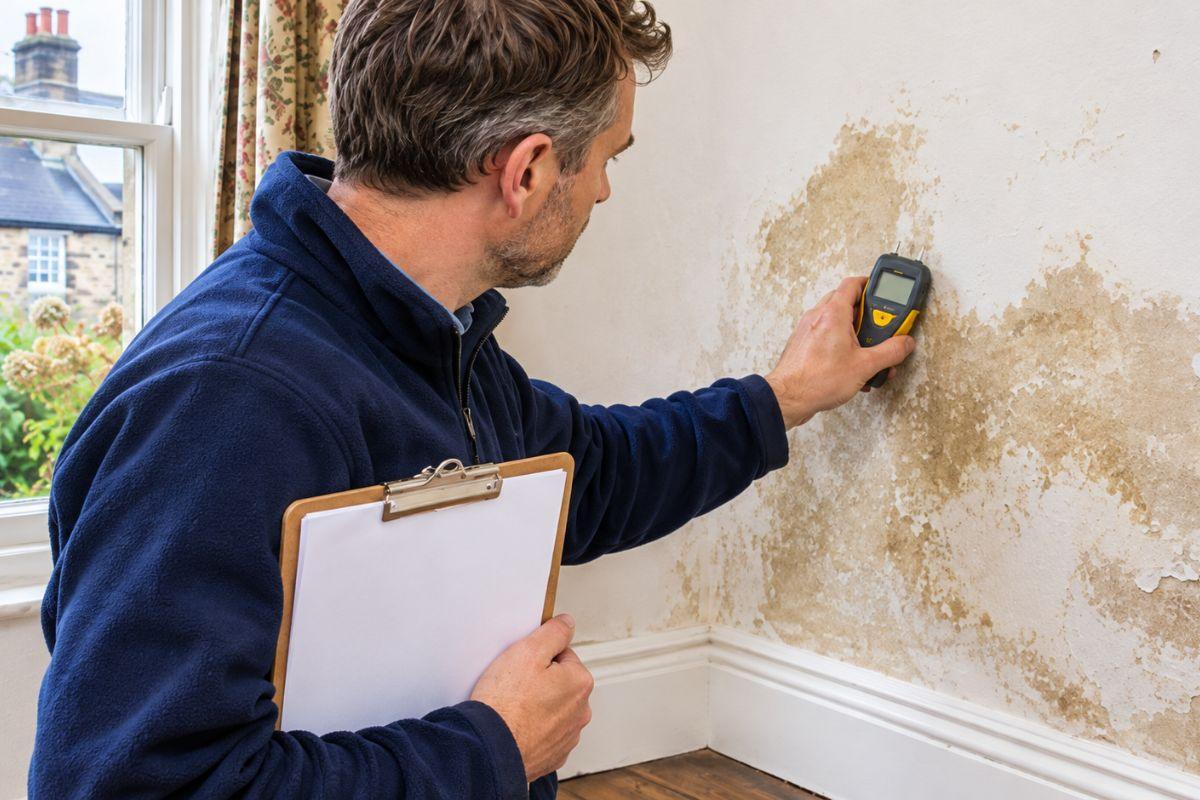
Your lender will carry out a valuation. That’s for the lender’s benefit, not yours. It tells them the place is worth roughly what they’re lending against and very little beyond that. For most ordinary homes in decent condition, a RICS Level 2 survey is enough. If the property is old, has been extended or is a bit unusual, pay for a Level 3 building survey instead; expect somewhere between £630 and £1,500.
People sometimes treat the survey as a box to tick. It’s actually your best chance to renegotiate. Picture a Level 2 report that flags a sagging roof and suggests getting a roofer in to quote: if that quote comes back at £4,000, you’ve got a perfectly reasonable case for asking the seller to knock something off. That window closes the moment you exchange.
Thing 8: Understand the Legal and Conveyancing Process
Conveyancing is the legal side of the move, handled by a solicitor or licensed conveyancer. From accepted offer to completion, it usually takes somewhere between eight and 16 weeks. A chain-free freehold house is at the quicker end. A leasehold flat at the bottom of a long chain is not. Broadly, your solicitor will:
- Run ID and source-of-funds checks and ask you for an upfront payment to cover searches
- Order local authority, water, drainage and environmental searches
- Raise enquiries with the seller’s solicitor and go through the title (plus the lease if it’s a flat)
- Exchange contracts, at which point you pay your deposit and are legally committed
- Complete, register with the Land Registry, and file the stamp duty return within 14 days
Exchange is the big one. Pull out after it, and your deposit is gone. If you’re buying leasehold, ask your solicitor straight out about the ground rent, how the service charge has moved over the past few years, and how long is left on the lease. Anything under about 80 years tends to make a flat harder to mortgage and more expensive to extend.
Thing 9: Allow for Moving Costs and Immediate Repairs
Removals have become surprisingly expensive. The same Lyons Bowe study found the average bill for moving a three-bedroom home hit £1,312 this year, up 42.8% in twelve months. Even a one-bed move with a van and two people will set you back a few hundred pounds.
Then the first month throws its own bills at you. You’ll want the locks changed and the boiler serviced. You might need blinds for every window. If the sellers take the washing machine and fridge (they’re allowed to unless the contract says otherwise), you’ll be buying those too. Broadband can take a fortnight to get connected. I’d keep at least £2,000 untouched after completion for whatever goes wrong first, whether that’s the boiler giving up in November or a leak nobody spotted on the viewing.
Thing 10: Be Ready to Negotiate and Stay Patient
Asking prices are a starting point. What you should really look at is what similar homes on the same street actually sold for, which is all public through HM Land Registry and shows up on most property portals. Thresholds play a part too: research from Connells Group found more than one in three first-time buyers are now trying to get the price down to £500,000 specifically because that’s where stamp duty relief stops.
Being chain-free is the strongest card you hold. A seller who is stuck in a chain will often take a slightly lower offer from someone who can’t hold them up over a higher one from somebody still waiting to sell their own flat. And be patient. Sales fall through, sometimes weeks in, which is gutting at the time. The buyers I’d call lucky in hindsight are usually the ones who walked away from a bad survey instead of talking themselves into it.
Conclusion
Most of what makes a first purchase go smoothly is dull, early work: checking your credit file, getting an AIP and pricing up the real cost of the move before you fall for a kitchen in a listing photo. Once your offer is accepted, the survey and your solicitor’s questions are there to protect you. Give them the time they need. And if any part of it feels rushed, slow it down. Walking away from the wrong house costs a lot less than living in it for ten years.