Bathroom floors get put through more than most. Water goes over the side of the bath, and towels land where they land. Small wet feet walk across the room several times before breakfast, and by evening the whole space has steamed up and cooled down twice over.
Showroom lighting doesn’t prepare a floor for any of that, which is why looks can only take you so far when choosing one. There’s the water, obviously, but also how much grip the surface has when wet, how long it takes to clean, and the state of whatever is already sitting underneath it.
What Is the Best Flooring for a Bathroom?
No single material wins outright, as porcelain and bathroom-suitable LVT both do well, but they appeal to different people.
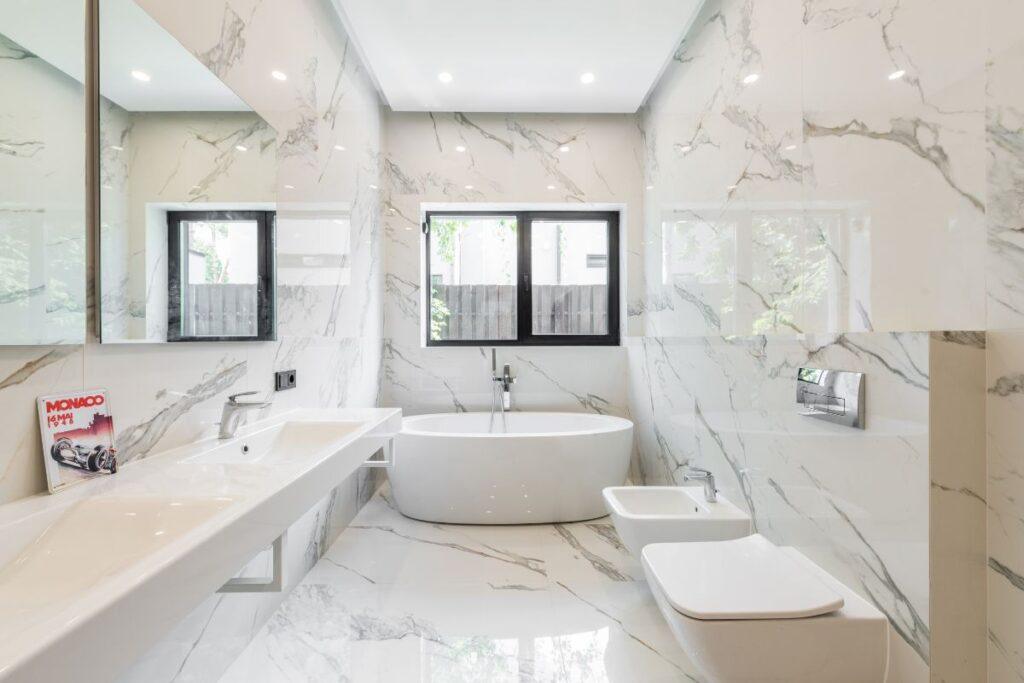
Porcelain absorbs very little water and gives you a properly hard surface. Floor-rated ranges can also be specified with slip-resistant finishes, which is the bit worth asking about for wet areas. LVT tends to attract homeowners who want something less unforgiving underfoot, plus far fewer grout lines to keep on top of.
If LVT makes the shortlist, two things need answering. Does that particular range suit bathroom use? And what will the existing floor need doing to it first? Urmston Carpets supplies LVT ranges suitable for bathrooms and offers home measuring and subfloor preparation, with fitting arranged across Manchester, Cheshire and Lancashire. Raising the condition of the room early tends to save time later, because it shows what the job actually involves before anyone commits to a finish.
Is Water Resistance Enough on Its Own?
Not quite. Water resistance gets top billing, and rightly, but it still isn’t the only thing determining whether a product belongs in a bathroom.
Manufacturer instructions carry real weight here. They set out where a product can go and how joints, edges and the subfloor should be prepared, and those details vary between ranges more than most people expect.
Grip is the other one. Wet floors and slips have an obvious relationship, so a surface picked mainly for how it photographs may not behave well when someone steps off a bath mat onto it. Around baths and showers especially, splashing isn’t the occasional accident; it’s just a normal day.
Then there’s the base underneath, which everyone forgets because it disappears the moment the job finishes. Uneven or moisture-affected subfloors don’t quietly sort themselves out. New flooring hides the problem for a while, that’s all.
Also read: How to Choose Your Garden Furniture: A Fun Guide to Creating Your Outdoor Escape
When Do Porcelain and Ceramic Tiles Make Sense?
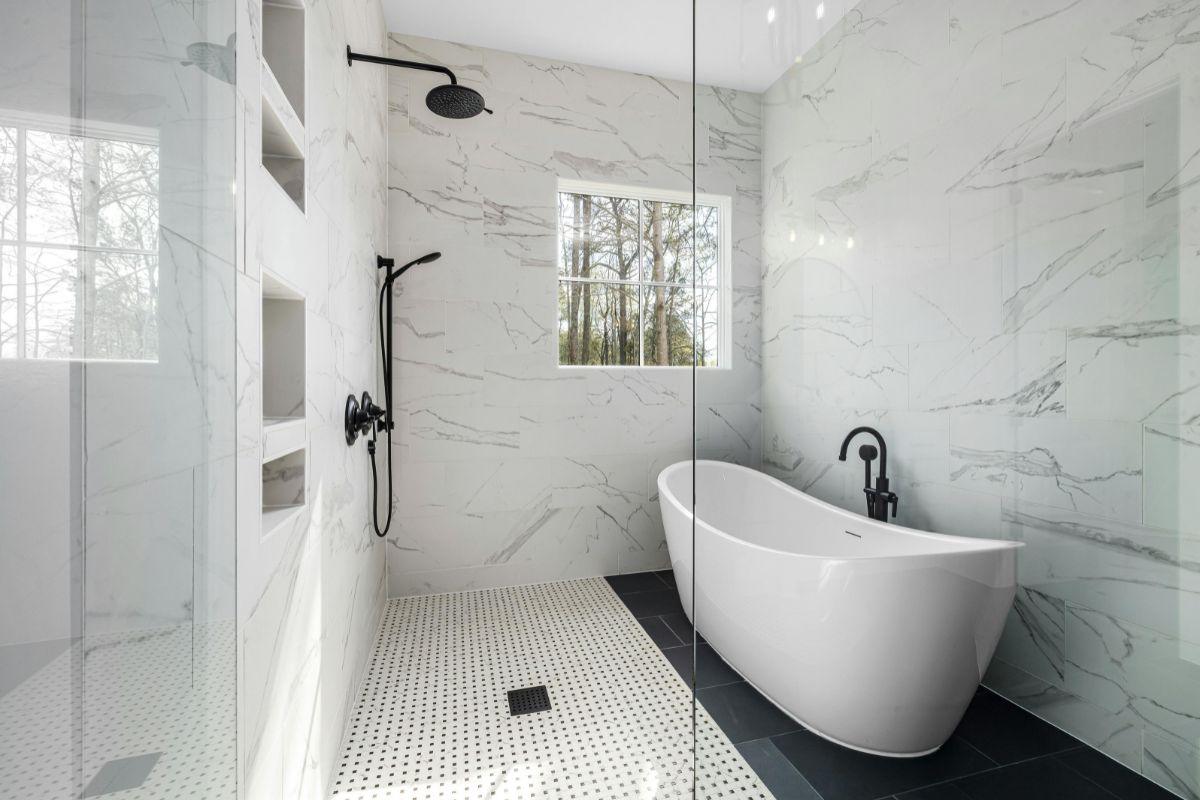
Porcelain has held its position for years, and the reasons are dull but sound: low water absorption, a hard-wearing surface, and no shortage of finishes. Floor-rated ceramic can work well too, as long as the specific tile suits where it’s going. Properties vary considerably between products, so buying on appearance alone is a gamble.
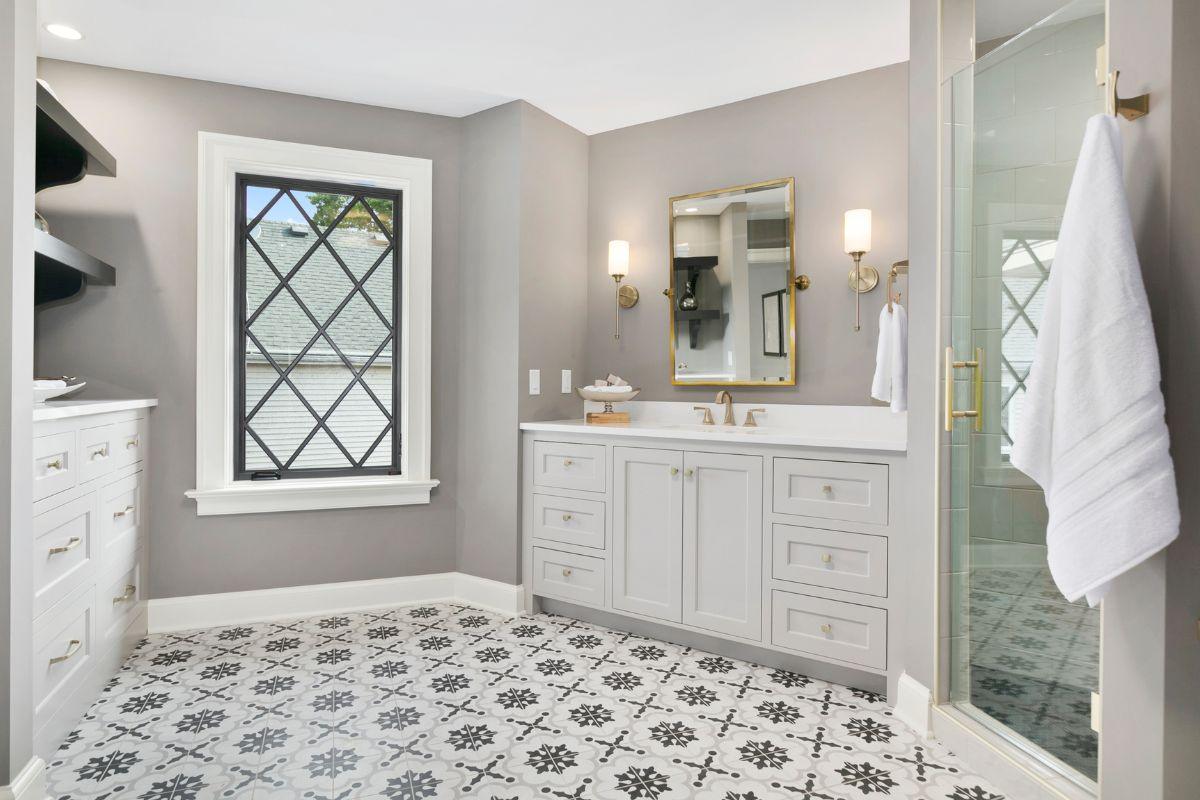
Finish deserves as much thought as tile type. A family bathroom where children climb out of the bath most nights faces a different set of demands from a downstairs cloakroom that stays fairly dry. Comparing slip resistance and how easily a surface cleans is more useful than comparing colours, though colour is usually what gets discussed first.
One thing worth clearing up. Grout needs regular cleaning and maintenance, but it isn’t the room’s waterproofing. Where wet areas need protecting, that comes from the appropriate installation system underneath rather than the lines anyone can see.
Also read: How To Keep Reptile Housing Safe In Homes With Cats And Dogs
Does LVT Work in a Family Bathroom?
It can, and it offers a different route. The look of timber or stone, without the natural material, and without a grid of grout lines running across the floor.
Suitability comes down to the specific range though, not the category. Specifications genuinely differ, so that’s a question to ask before buying.
Design isn’t a trivial consideration either. Wood effects can take the edge off a bathroom otherwise full of white sanitaryware. Stone effects suit people who like the look of tile but want something different underfoot. How any of it reads in the actual room matters most, since lighting, floor area and where the fixtures sit all affect how much of a pattern ever gets seen.
Which Materials Need More Thought?
Natural stone looks superb in the right bathroom. Stones vary a lot in absorbency and upkeep, and some want sealing or specialist cleaning products, which makes them harder to recommend to a household after something low-maintenance.
Wood and laminate need judging product by product. Standard timber is sensitive to moisture, and no amount of hoping changes that. Some laminate ranges, though, are designed with greater water resistance built in. What the manufacturer says about bathroom suitability is worth more than any assumption about the category as a whole.
So Which Floor Suits the Bathroom You Actually Use?
Start with how hard the room works. A bathroom four people pass through before eight in the morning asks far more of its floor than a guest bathroom used a handful of times a year. Worth factoring in at the start rather than halfway through.
Porcelain, suitable ceramic tiles and bathroom-rated LVT all have their place, provided the product suits the room and goes down on a properly prepared base. For a family bathroom, the choice that works is the one handling regular moisture, cleaning and heavy use without asking for more upkeep than anyone in the house is realistically going to give it.