
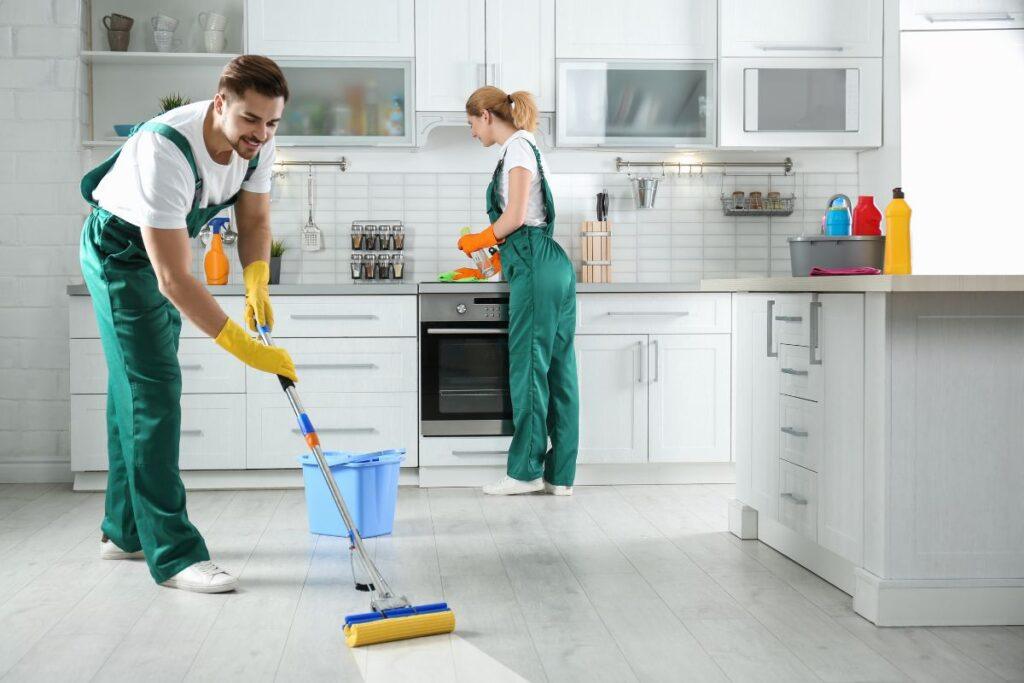
Pick one kind of cleaning, register the business, get insured, buy a basic set of supplies, and then go find your first few clients. Friends and neighbours are the easiest place to start, and a free Google Business Profile helps strangers find you.
Money is rarely what holds people back. A few hundred dollars is enough for plenty of people to get going. What you’re really selling is your time, plus the customer’s comfort with you being in their house while they’re out.
Lots of people read about this for weeks and never take a single job. Try not to do that. Cleaning is one of the simpler businesses to start, and you’ll learn most of it by actually doing it.
Is it Worth It?
Mostly yes, if you’re reliable and don’t mind being on your feet. People always need homes and offices cleaned, and plenty of busy households will happily hand off the bathroom scrubbing. You don’t need to rent a space, and you can try it out on weekends before leaving your job.
It’s not easy money, though. The work is tiring, and customers will compare your price with the next person’s. Profit mostly comes from boring habits like turning up on time, keeping the clients you have, and not driving forty minutes for a two-hour job.
What Kind of Cleaning Should You Do?
Choose one to begin with. Marketing is simpler that way, and a specialist can usually charge more than someone who does a bit of everything.
- Residential: regular visits, weekly or every two weeks. Steady, predictable income.
- Commercial: offices, clinics, gyms. Usually evenings, and often under a contract.
- Deep clean and move-out: pays well, but these are one-offs and rarely come back.
- Speciality: carpets, windows, post-renovation, eco-friendly cleaning.
If you’re new, I’d go with homes or a small office. Jobs are smaller, the tools are cheaper, and you’ll quickly find out which tasks are fast and which ones eat your afternoon. You can add services later, once you know what your time is worth.
Also read: Why Ergonomic Office Chairs Are Essential for a Healthy Work Environment
Do You Need a Business Plan?
Only a short one. A single page you’ll look at again is better than forty pages that sit in a folder. Jot down who your customers are, where you’ll work, what you’ll charge, how much money you need to start, and where your first ten clients could come from. Keep your area small. Time spent driving costs you more than you’d think.
Licenses and Insurance
The rules change from place to place, so check with your local authority before you accept any payment. Usually you’ll need a business name, a registration (sole proprietor, LLC or whatever your area calls it), any licenses or tax numbers that apply, and a bank account just for the business.
Get liability insurance too. A lot of beginners skip it, and that’s a gamble. Say you break a client’s vase, or someone slips on a floor you just mopped. Insurance means that’s a bad day, not the end of your business. Commercial clients often ask for proof of cover before signing. If you take on staff down the line, talk to your insurer about bonding and workers’ compensation.
Equipment
You need less than you’d guess. Get a decent vacuum, microfiber cloths, a mop and bucket, scrub brushes, a squeegee, all-purpose and glass cleaner, bathroom and kitchen products, disinfectant, gloves, and something to carry it all in. That covers it.
Spend a little more on the vacuum and cloths, since the cheap ones tend to die mid-job. Some customers now ask for eco-friendly products, so keep a few on hand. Read every label as well. Bleach and ammonia must never be mixed, because the fumes are dangerous.
Setting your prices
You can charge by the hour, which is simple to explain and suits beginners. You can quote a flat price per job based on size and condition. Or you can charge per square foot or metre, which you mostly see in commercial work.
Find out what local cleaners charge, then work out your own costs: supplies, fuel, insurance, taxes, and the pay you want for yourself. Here’s an example. Say you want $20 an hour in your pocket and costs take roughly a third of what you bill. Then you have to charge about $30. Do this sum before you give anyone a quote.
Skip the race to be cheapest. People who shop purely on price are often the pickiest and the quickest to leave. Put every quote in writing and list exactly what’s covered.
Getting your first clients
The first ten take the most effort. A few things that usually work:
- Tell people. Say it plainly: “I’ve started a cleaning business.” Most early referrals come from people who already know you.
- Create a free Google Business Profile. You’ll show up in local searches and on maps. Add photos and your service area.
- Make a basic website with your services, starting prices and a clear way to contact you.
- Post before-and-after photos in local community groups, once the client says it’s fine.
- Speak to property managers, landlords and estate agents. They always need someone dependable.
Ask each happy client for a review too. A handful of real five-star reviews will beat most paid advertising.
Also read: Business Investment Growth in UK: Key Trends, Sectors and Opportunities
Keeping clients and growing
Turn up when you said you would, do the work you promised, and do it the same way every time. That’s honestly most of the job. Make a checklist for each type of clean so the result doesn’t depend on how your day is going. Confirm appointments the day before and send a short message afterwards. Use a free or cheap app for scheduling and invoices, and make it easy for people to pay you. Chasing payments is the part nobody enjoys.
Think about hiring once you’re turning jobs down or your calendar is full for weeks. Look for reliability before skill, because showing up is much harder to teach than cleaning a shower. Do background checks where the law allows them, train people using your checklists, and pay properly, since good cleaners get offers from other companies. Many owners start with one part-time helper. After that, growing usually means raising prices, offering higher-value services, or landing a commercial contract that pays every month.
Mistakes to avoid
- Going without insurance
- Pricing too low, which is hard to fix later
- Working across too wide an area
- Neglecting your reviews and local listing
- Having no written agreement (one page covering the work and cancellations prevents plenty of arguments)
- Mixing personal and business money
Final Thoughts
Starting this business takes less money than most people expect. What it takes is turning up, again and again. Choose a niche, get insured, charge a fair price, and treat every job as a chance for a referral or a review. Start small, and improve a little with each client.
FAQ
Q. How much does it cost to start?
A. A small home-cleaning business can often start on anything from a few hundred to a couple of thousand dollars. That covers supplies, insurance, registration and a bit of marketing. Commercial and speciality work costs more because the equipment does.
Q. Do you need a license?
A. That depends on where you live. Some places only ask for a basic business registration; others want extra permits for commercial work. Check locally before your first paid job.
Q. How much can you earn?
A. It depends on your area, your prices and how many clients you have. A solo cleaner can make a decent living, and owners with teams and contracts can earn quite a bit more. Keep track of your costs so you know what you actually keep, not just what comes in.
Q. How long does it take to find clients?
A. Most people get their first few within a few weeks using referrals, local listings and community groups. Filling your schedule usually takes a few months of steady work.
Sources
- SBA: Business Guide (licenses, permits, tax IDs and insurance)
- SBA: Get business insurance
- FindLaw: How To Start a Cleaning Business
- Bob Vila: What Licenses Are Needed to Start a Cleaning Business?
- Jobber: What Licenses Do I Need to Start a Cleaning Business? (State-by-State)
- Google Business Profile Help: Create a Business Profile on Google
- Google: Create a free Business Profile