
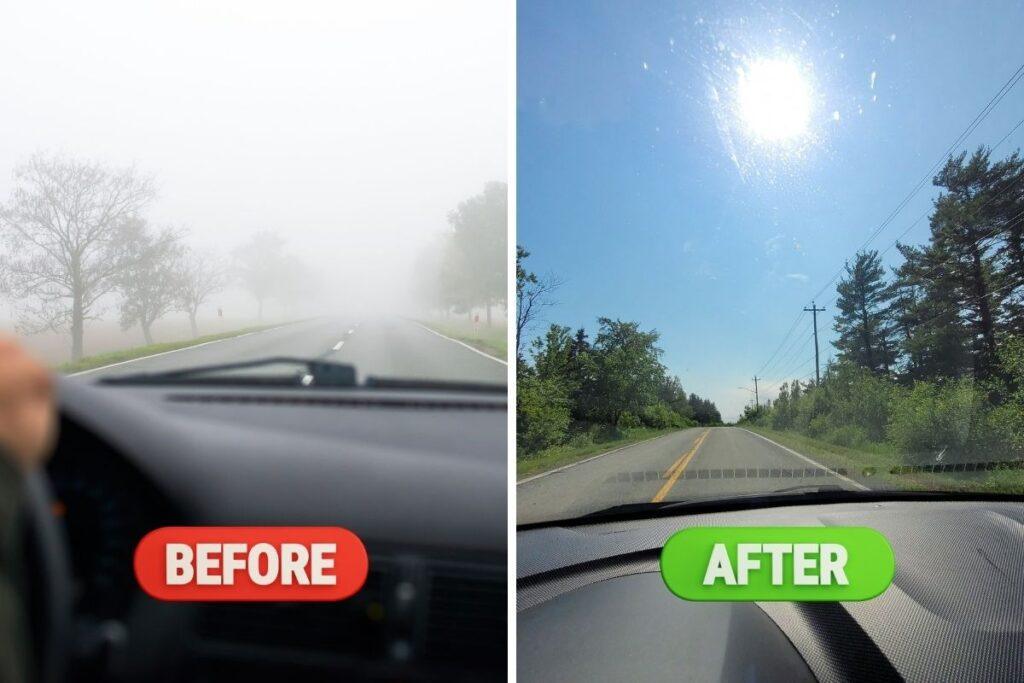
If you’re trying to figure out how to stop a car from fogging up, it all comes down to one thing getting rid of moisture inside your car and keeping the temperature steady.
It is one of the worst feelings when you have to go somewhere urgent in winter, you sit in your car, and you can’t see through the windscreen of the car due to fog.
You wipe it, and it comes back. You wait, it gets worse. It’s annoying — and honestly a bit unsafe too.
Once you learn how to control warm air inside the car with the cooler air outside, the fog will clear on its own. Read this article to learn that.
- Fog forms when warm air comes in contact with a cold surface and forms water droplets
- Too much moisture inside the car makes it worse
- Using fresh air helps clear it faster than recycling old air
- Heater and air conditioning together actually work better than you’d think
- Dirty windows fog up quicker than clean ones
- Small habits can stop fog from building up in the first place
Why Your Windows Keep Fogging Up
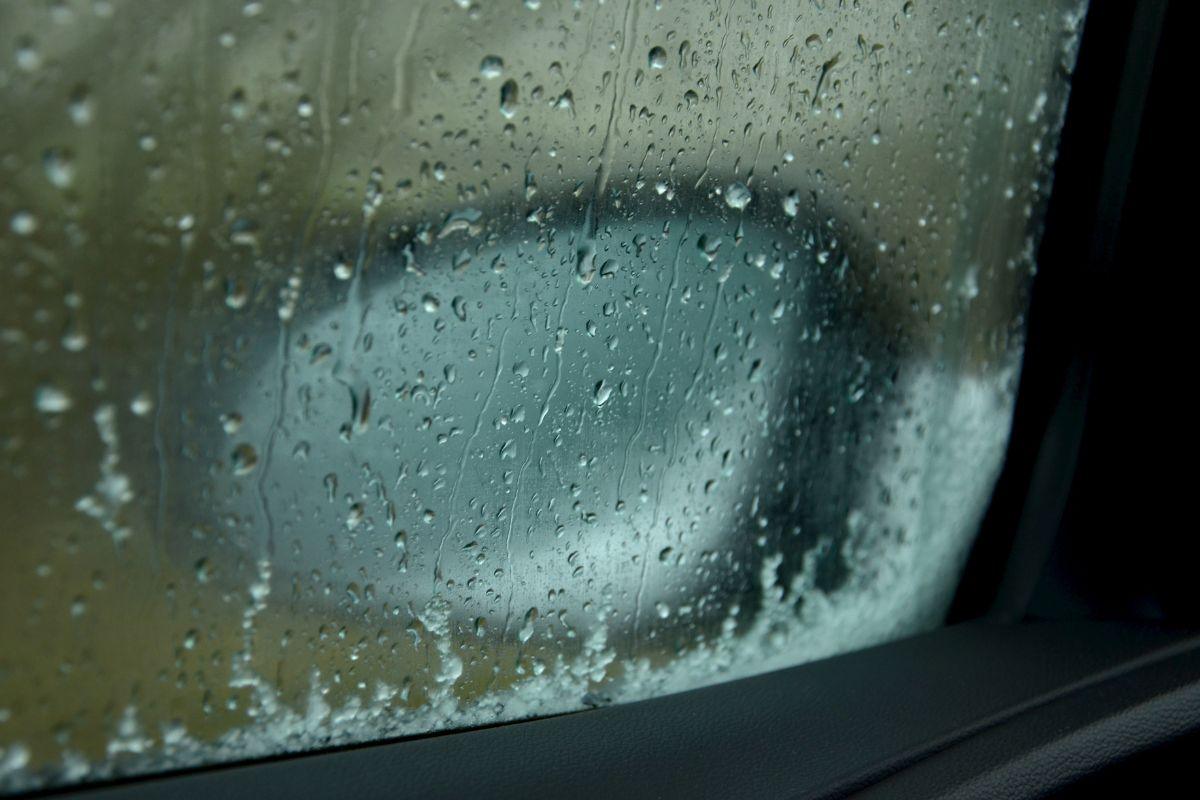
It is the collusion of temperature and moisture, both inside and outside the car.
When warm air within the car meets the surface of the cold glass, tiny water droplets are formed. That’s the fog you see on the glass. It usually happens when it’s cold outside, and your breathing, wet clothes, or even damp mats add moisture inside the car.
In summer, it can happen the other way – especially when your air conditioning cools the glass too much and warm, humid air from outside hits it.
It may not happen all the time. One day it’s fine, the next day you can barely see out of the windscreen.
Also read: How Some Cambridge Families Plan Their Weekends Around the River
How to Stop a Car From Fogging Up in Cold Weather

This is the most common question asked by UK drivers.
When it’s cold outside, your instinct is usually to blast the heater and switch everything to recirculate. That’s actually what makes it worse. Try these methods instead:
- Turn your heater up (warm air helps dry things out)
- Switch on your air conditioning at the same time (it removes moisture from the air)
- Turn OFF recirculation so fresh air comes in
- Crack a window slightly if you can stand the cold for a minute or two
It might feel like overkill, but this combo clears the fog faster than just heat alone.
A lot of motoring advice, including Allstate, points out that the real trick is balancing moisture and temperature, instead of just trying to “heat it away”.
Also read: Behind the Wheel: What Keeps Britain’s Taxi Drivers Going?
How to Stop a Car From Fogging Up in Warm Weather

This one confuses people because it doesn’t feel like fog should happen in summer — but it does.
On humid days, the outside air can actually fog your windscreen when it hits a cold surface inside the car. Here’s what helps:
- Turn your air con down a bit (don’t freeze the glass)
- Switch off recirculation so fresh air can move through
- Use your wipers if the fog is forming outside
- Let the temperature inside match the outside slowly
According to Acura, even a small change in temperature inside the car can remove the fog from the windows faster than full-on air con blasting.
Also read: The Indispensable Role of Aftermarket Headlights in Preventing Road Accidents
How to Stop a Car From Fogging Up Without AC
If your air con is not working, you still have options.
- Crack your windows a little open to let air circulate
- Keep the car interior as dry as possible
- Get rid of wet stuff like coats, umbrellas, or mats
- Spray an anti-fog spray on the windscreen
- Park the car in a dry place (shade helps sometimes)
Experts say that even a small change in the airflow can help balance humidity, even without AC.
Also read: EV Charger Rollout in the UK: Why Rising Costs and Policy Uncertainty Are Slowing Growth
Simple Habits That Stop Fog Coming Back
There are two separate things. One is to fix the fog, and the second is to prevent it from happening. Below are tips from Shine Armour that can help you prevent it:
- Keep your windscreen clean: It sounds basic, but a clean windscreen fogs up less. Dirt and grease give moisture something to stick to, so it builds faster.
- Don’t leave moisture inside: Wet shoes, damp jackets, and spilt drinks — all of it adds up. Try not to leave moisture sitting in the car for long.
- Check your door seals: If water is sneaking in through old seals, you’ll always struggle with fog. John Lee Mazda highlights this issue as a common hidden cause that people often overlook.
- Use a moisture absorber: Something simple like silica gel or even cat litter in a cloth bag can pull dampness out of the air. It’s a cheap trick, but it works.
- Anti-fog spray helps: If you deal with fog every day, a quick spray on the inside glass can make a noticeable difference.
- Don’t ignore your car’s defroster: Most cars already have built-in tools for this purpose, but people don’t always use them properly. The front defroster clears the windscreen, and the rear defroster heats the back window using built-in lines.
Closing Remarks
At the end of the day, it is not a magic trick to stop a car from fogging up. It’s just about keeping moisture under control and using your car’s airflow properly.
Once you get used to it, it becomes second nature — switch settings, crack a window, clear it quickly, and move on.
And honestly, the less time you spend wiping a foggy windscreen, the better your mornings feel.
Sources and References:
- Allstate – Balance the moisture and temperature to keep fog away from your car.
- John Lee Mazda – If water comes in through old seals, you’ll always struggle with fog.
- Acura – A small change in temperature can help remove the fog from the car.
- Shine Armour – You can also stop fog by changing your habits.