The true success stories of ordinary people in the UK nearly all begin the same way. A small amount of cash, a kitchen or a borrowed room, and someone too stubborn to pack it in. Julie Deane had £600. Ben Francis was delivering pizzas. Levi Roots was selling sauce out of a bag.
Nobody handed these people a fortune. They started with almost nothing.
- Big British brands that started with under £1,000.
- A “no” on Dragons’ Den finished nobody off.
- Mums, mentors and old bosses run through every story.
- One founder was eight. Another had a job in the City.
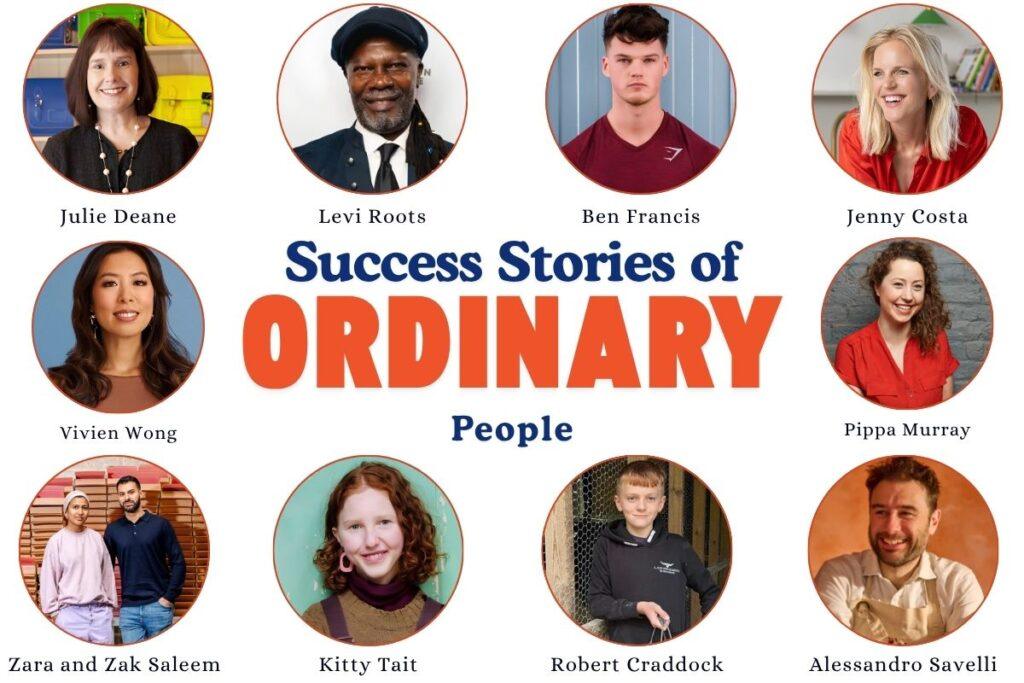
1. Julie Deane – The Cambridge Satchel Company

Julie wanted her kids in a better school and had £600 and a kitchen table. In 2008 she and her mum, Freda Thomas, made British leather satchels in bright fluoro and metallic finishes. By 2010 they were at London Fashion Week.
Then it turned nasty. The factory she trusted tried to nick her designs, and 330 fake websites popped up selling knock-offs. She opened her own workshop in 2011, used NDAs and chased the fakes down.
A Google Chrome advert about her pulled six million views. Her mum was just as keen on the first Covent Garden shop, where footfall beat Cambridge, she told the Financial Times. It’s worth about £50 million now.
2. Levi Roots – Reggae Reggae Sauce
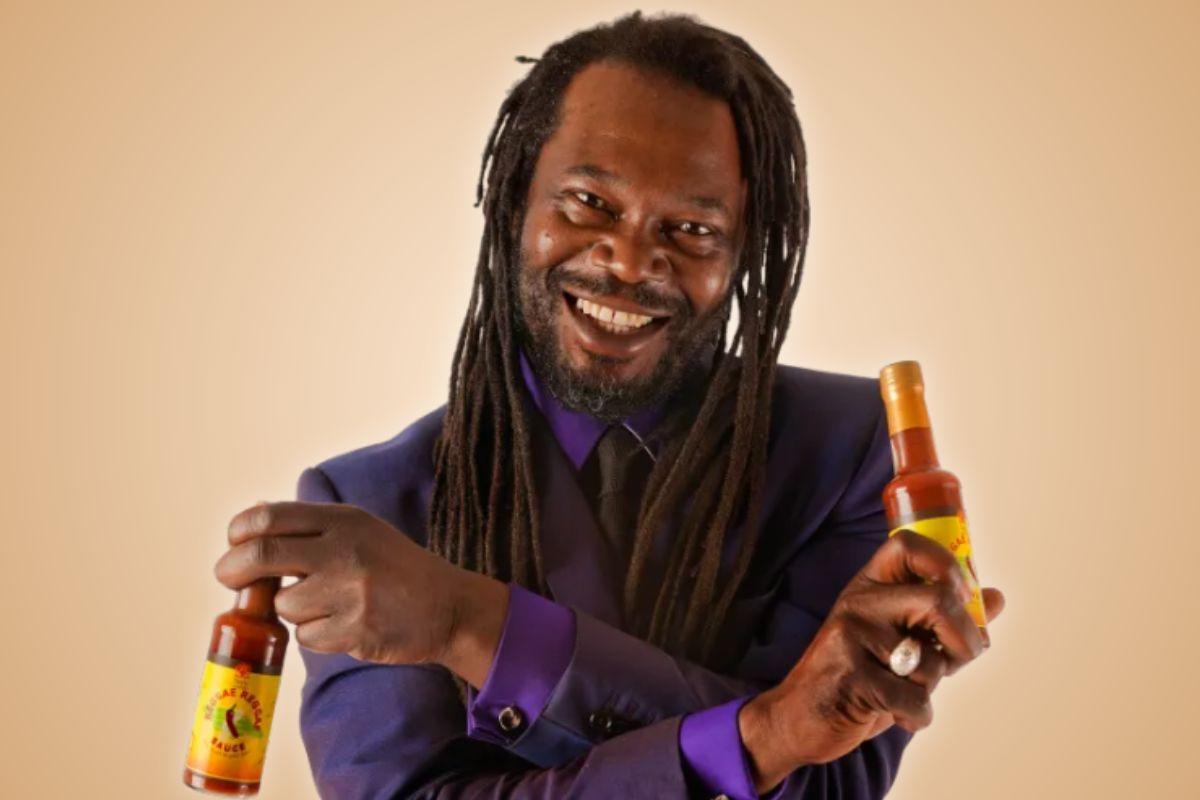
Levi grew up in a village in Clarendon, Jamaica, while his parents worked in Brixton. His gran taught him Caribbean spices. In London, Notting Hill Carnival did the rest.
For years he made the sauce at home in Brixton with his kids helping, selling bottles by hand, because banks kept saying no. He was spotted at the World Food Market, pitched on Dragons’ Den, and Peter Jones got him into Sainsbury’s.
Then an old Carnival stall partner claimed the recipe was his. The case cost over £1 million. Levi won, and the brand now offers ready meals, drinks, and desserts.
3. Ben Francis – Gymshark
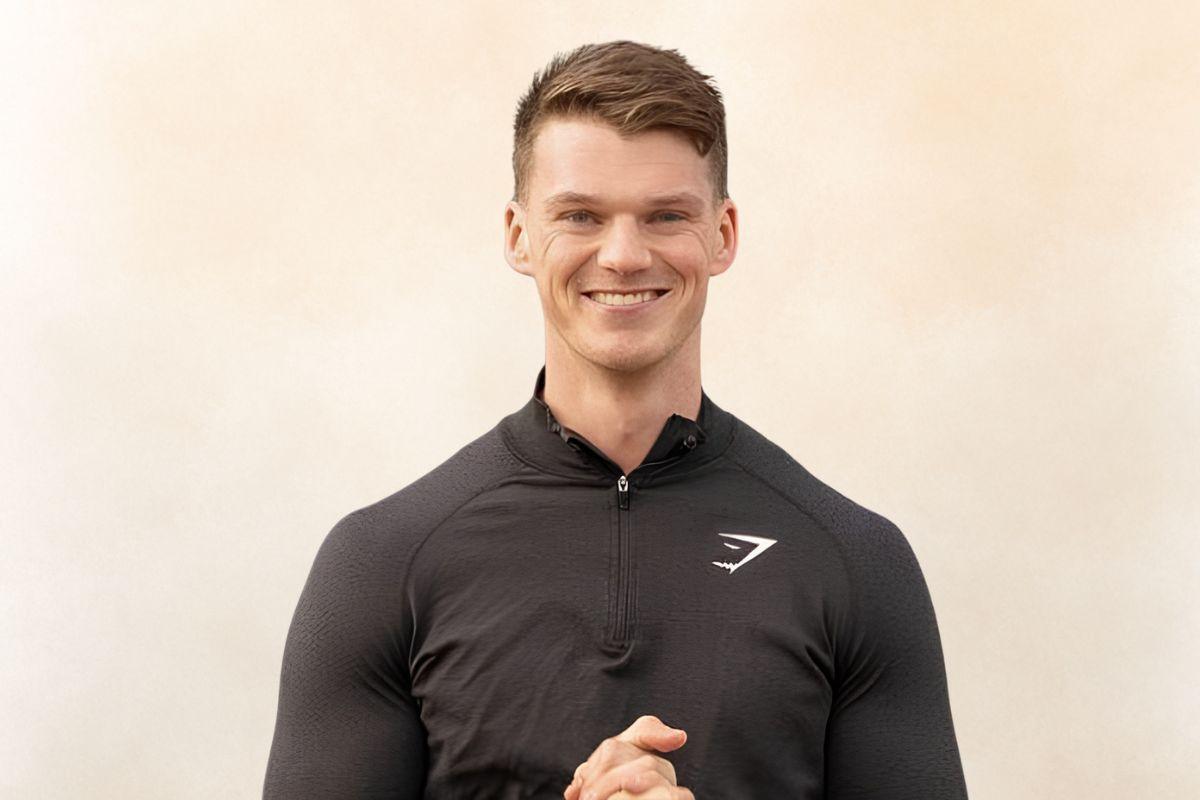
Ben juggled Birmingham lectures, pizza shifts and gym sessions. Workout apps and a social network flopped. In 2012 he set up Gymshark with no funding, dropshipping supplements because he couldn’t afford to stock them.
He wanted proper gymwear, so he sewed and printed designs in his garage, then posted kits to bodybuilders, who showed them to their followers – influencer marketing before it had a name.
He then spent nearly all the company’s cash on a stand at BodyPower Expo 2013, and it worked. The Regent Street flagship opened in October 2022, has three million followers, and 1st Formations puts his net worth at $1.3 billion as of January 2025.
4. Jenny Costa – Rubies in the Rubble
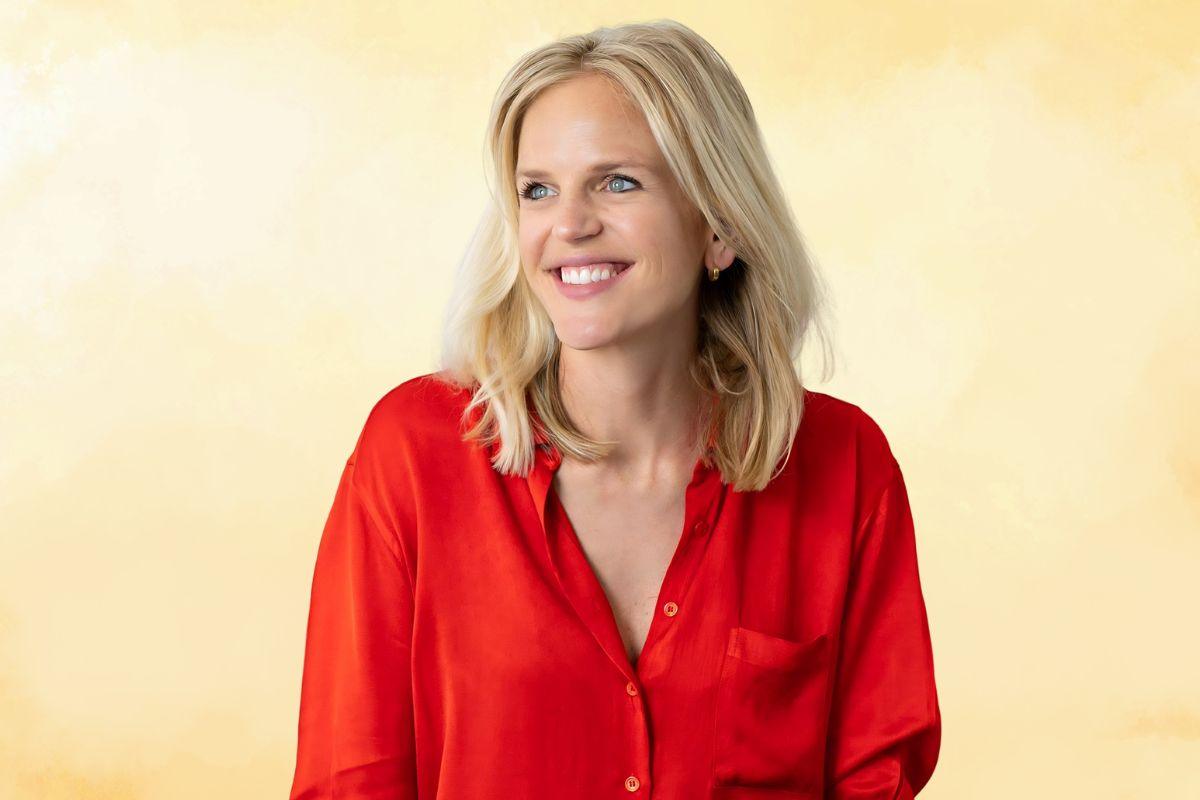
The UK bins 7.2 million tonnes of food and drink a year. Jenny left her hedge fund job, moved into a mate’s spare room, and turned rejected fruit and veg into condiments sold on a market stall.
Six months in she nearly ran out of money. A banana chutney flopped, came back as a ketchup and won a Great Taste Award. Her old boss’s line, as she told HuffPost UK: “Go at it full-hearted, with everything you have, putting 100% into it”. Chutneys and relishes now sell from Selfridges to Whole Foods.
Also read: Real Success Stories of UK Influencers Who Started Small and Made It Big
5. Vivien Wong – Little Moons
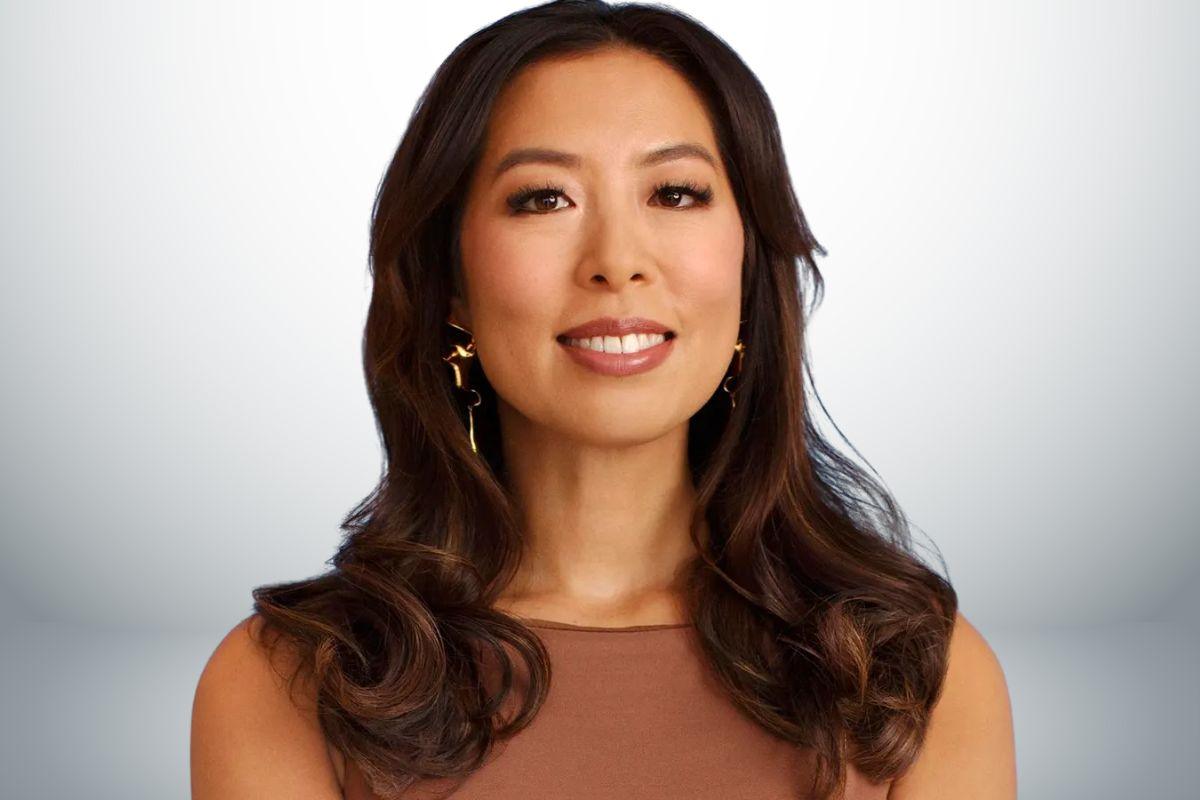
Vivien and her brother Howard left city jobs in 2010 to sell Japanese mochi. She grew up helping at her mum’s bakery at weekends, hearing work problems over dinner, which shaped how they run things. Little Moons turns over £3 million and sits in Waitrose and Whole Foods freezers.
6. Pippa Murray – Pip & Nut
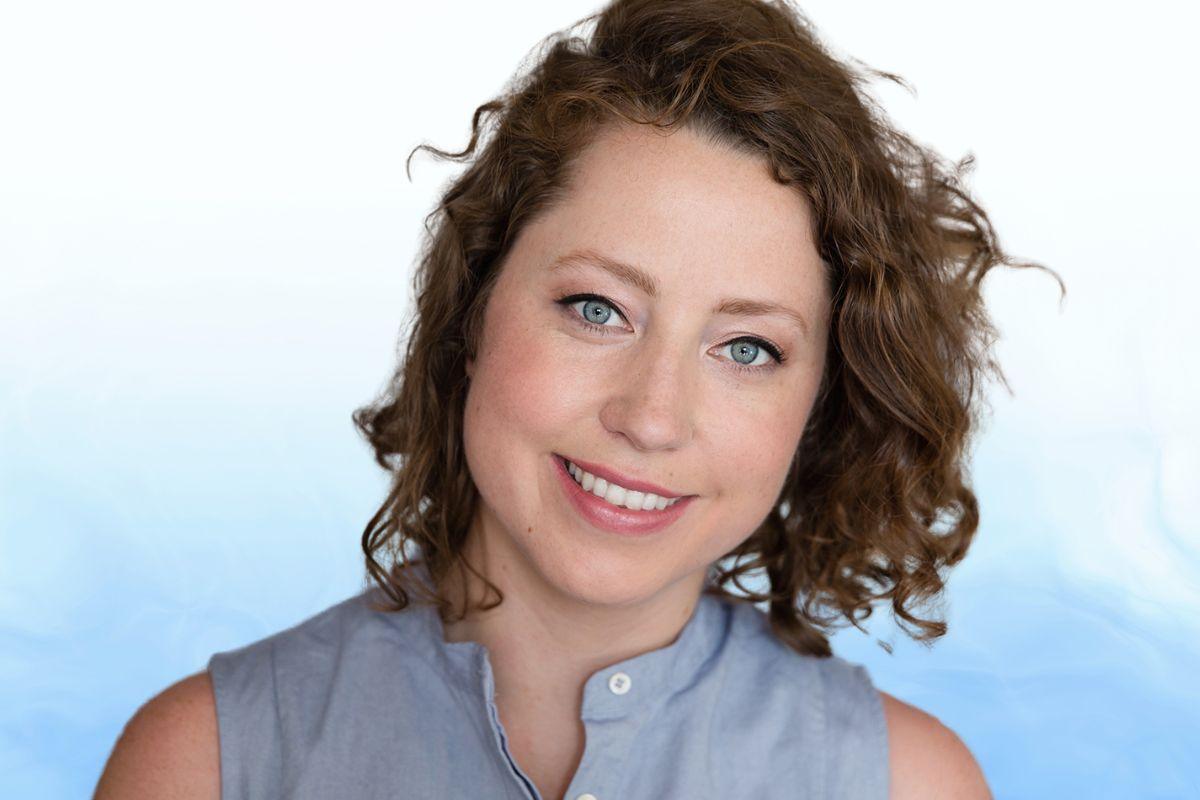
Pippa was a runner who wanted nut butter without palm oil and refined sugar. She launched in 2013, and it’s now a £9 million brand in over 5,000 shops across the UK and Europe. She told The Early Hour her mentor Giles Brook, boss of Vita Coco EMEA, once at Innocent got her through, as she’d never worked in food and drink.
7. Zara and Zak Saleem – Delhicious
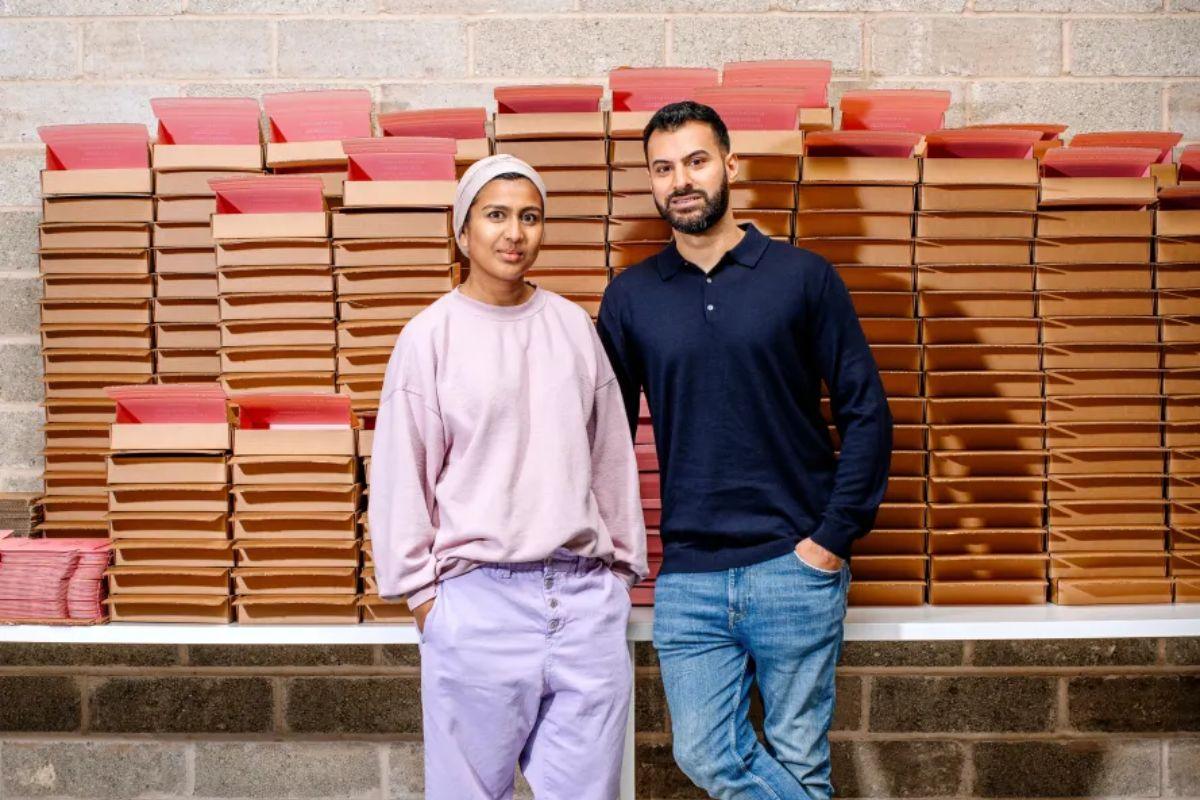
Brother and sister, one London kitchen, £500. Dragons’ Den turned them down in 2020, so they went harder on South Asian-inspired natural skincare. TikTok blew it up. By 2025, they were in Superdrug, with sales past £5 million.
8. Kitty Tait – Orange Bakery
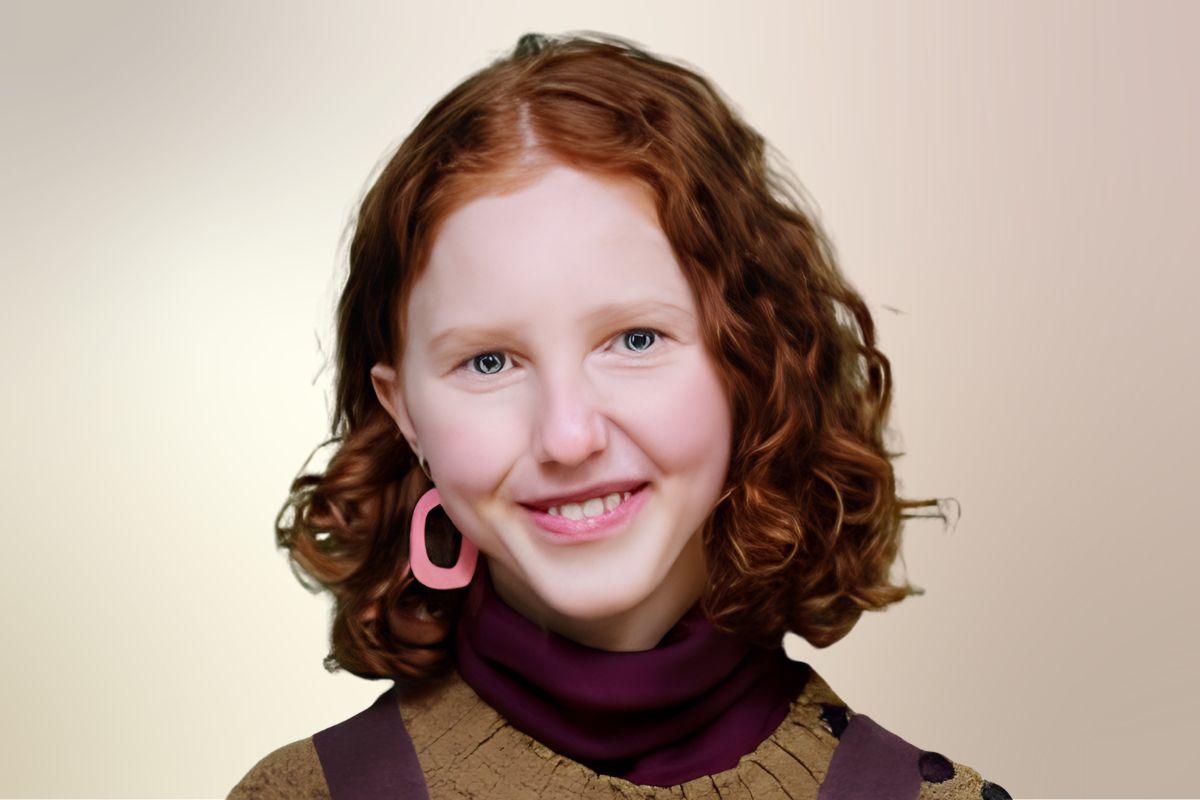
Kitty was a teenager baking sourdough with her dad in Watlington, Oxfordshire. They crowdfunded a shop in 2019, and, as Enterprise Nation points out, the queue now goes round the block.
9. Robert Craddock – Robert’s Happy Hens
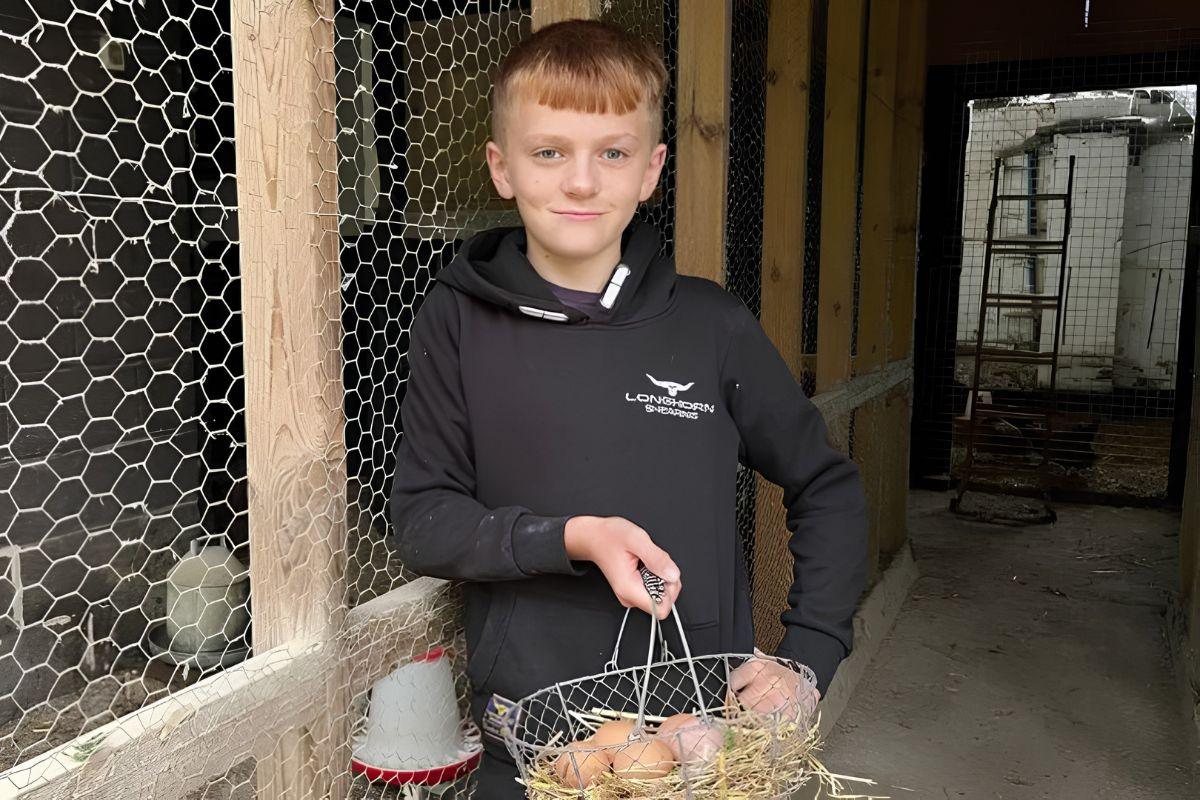
Robert got two hens for his eighth birthday in 2020. He kept ploughing profits back in and now has 15 laying hens and livestock in Bransford, Worcestershire, selling about 10 dozen eggs a week. Aged 13, he won 2025’s Kaleb Cooper New Entrant of the Year at the Young British Farming Awards.
10. Alessandro Savelli – Pasta Evangelists
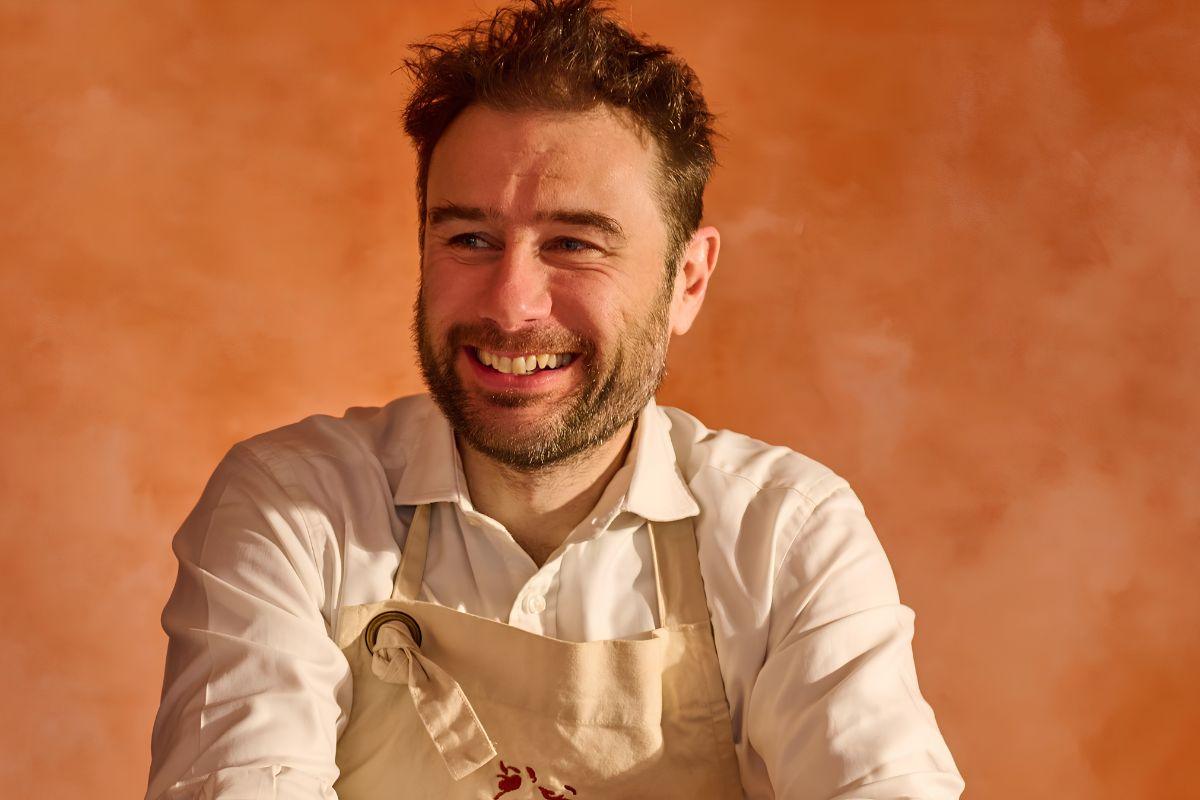
Eight years on a smartphone business left Alessandro and his shareholders with nothing. So he made tortelloni in his flat from his nonna’s pesto recipe, using £2,000 of his own and £6,000 from investors, including Prue Leith. The Dragons said no.
Lockdown handed him a Deliveroo business, and there’s a Pasta Evangelists restaurant in Harrods now.
11. Chrissie Rucker – The White Company
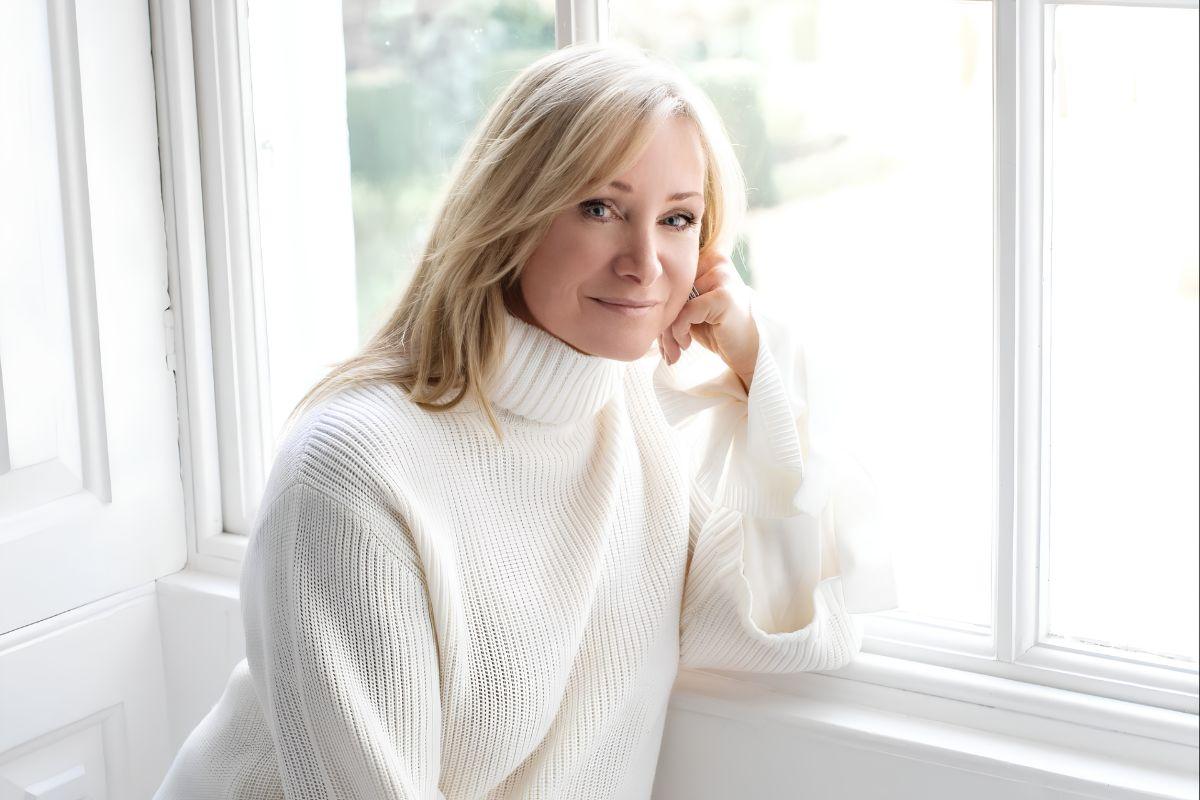
Chrissie couldn’t find affordable white bed linen anywhere, so she spent her savings on a 12-page mail-order brochure run from her boyfriend’s spare room. She won Small Business of the Year in 1995, and four years on, it was the UK’s 28th fastest-growing company. There are 70 stores now.
More True Success Stories of Ordinary People in the UK
Simmy Dhillon and his brother cooked extra meals at uni in 2017; Simmer Eats now turns over £36.1 million with no outside investors. Holly Tucker cried over unpaid childcare bills before Not On The High Street hit 350,000 products.
Dave and Kev quit banking to cook for a rescue Staffie; Butternut Box later raised £280 million. Best Student Halls makes the same point with the older lot: Lord Sugar left school at 16 and built Amstrad, Charlie Mullins left at 15 and built Pimlico Plumbers.
FAQs
Q. Who is the most inspiring self-made entrepreneur in the UK?
A. Levi Roots and Julie Deane get named most. Both started at home with next to nothing.
Q. How much money do you need to start a UK business?
A. Not much. Cambridge Satchel started at £600 and Delhicious at £500. Registering a limited company costs under £100.
Q. Do you need a degree to succeed in business in the UK?
A. No. Ben Francis, Levi Roots and Charlie Mullins built big brands without degrees.
Q. Which UK founders were rejected on Dragons’ Den?
A. Delhicious and Pasta Evangelists both got a no and thrived. Levi Roots won Peter Jones over instead.
Q. Can teenagers start a business in the UK?
A. Yes. Kitty Tait and Robert Craddock started as kids, though under-16s need an adult for contracts.
Q. What do these UK success stories have in common?
A. Small money, face-to-face selling, one big knockback survived, profits put straight back in.
Sources & References:
- HuffPost – Jenny Costa said that you should “go at it full-hearted, with everything you have, putting 100% into it”.
- Best Student Halls – Lord Sugar left school at 16 and built Amstrad, and Charlie Mullins left at 15 and built Pimlico Plumbers.
- Enterprise Nation – Kitty Tait crowdfunded a shop in 2019, and the queue now goes round the block.
- 1st Formations – Ben Francis’ net worth is $1.3 billion as of January 2025.