
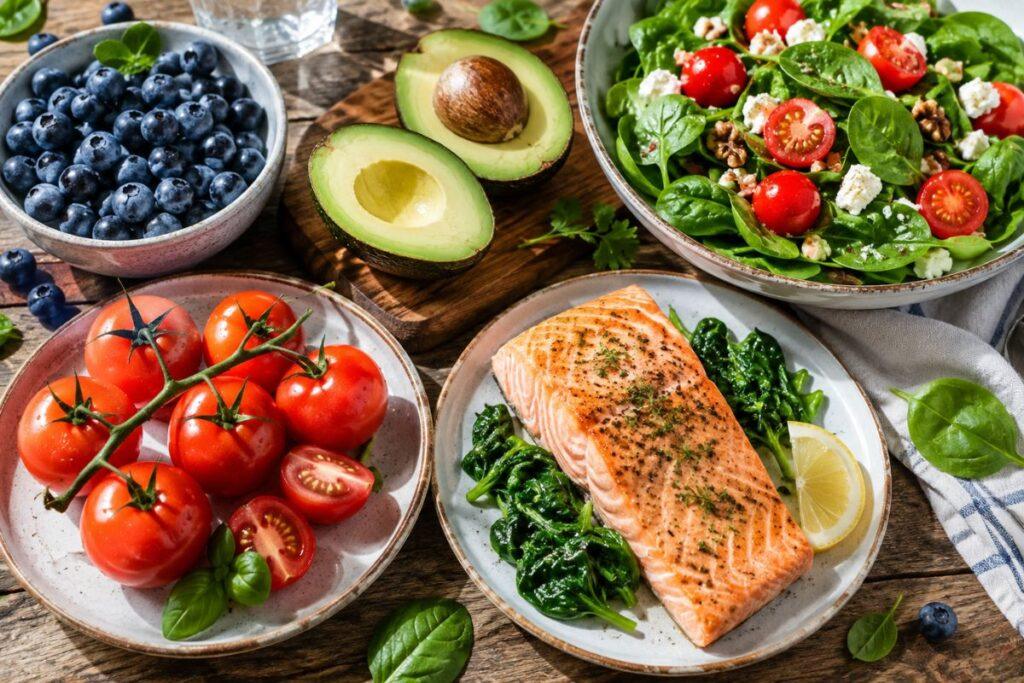
Summer’s a good excuse to eat better. Fresh, colourful ingredients — stuff that actually tastes good and does something for you too. Not just physical health either. There’s a mental side to this that people don’t talk about enough, and it’s worth sitting with for a second before we get into the actual food.
More and more research keeps pointing in the same direction: what you eat affects mood, energy, how clearly you think. So healthy eating isn’t just a diet thing anymore; it’s part of the bigger wellbeing conversation. It’s easy to treat food and mental health as two separate boxes, but they’re tangled together more than most people realise — a rough week of eating badly tends to show up in your head just as much as your body.
Interesting fact — a lot of professionals at private rehabs in the UK actually recommend superfoods to clients going through recovery. Sometimes for stress. Sometimes energy. Sometimes just to take the edge off cravings when things get hard. It says something that nutrition comes up that often in a clinical setting, not just as a lifestyle suggestion.
Get some seasonal superfoods on your plate and you’re not really giving anything up. Good taste, real nourishment, both at once — and summer happens to be when a lot of these ingredients are at their best anyway, so the timing works out. Here are five worth knowing about this summer, along with a few ways to actually use them without overthinking it.
Blueberries
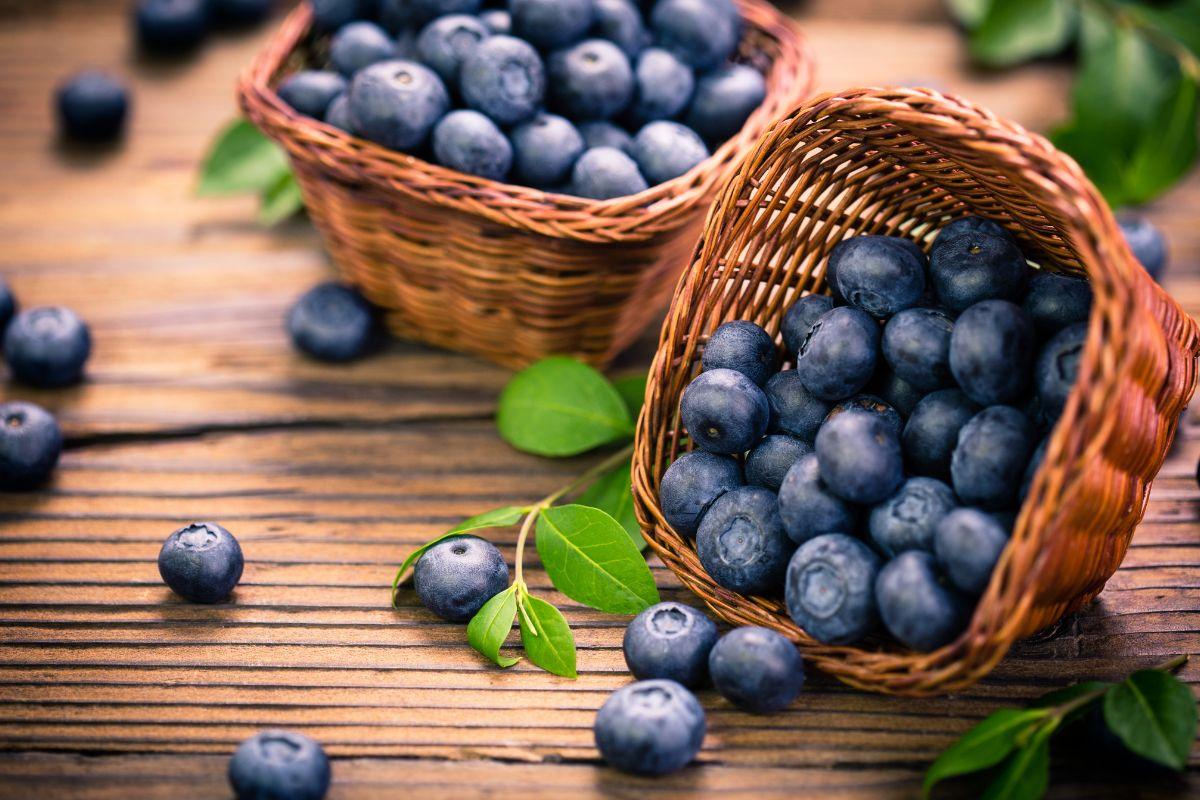
People throw around “nutritional powerhouse” a lot, but with blueberries it actually fits. They’re loaded with antioxidants — anthocyanins mainly, which is also what gives them that deep blue colour in the first place. Those compounds protect your cells from oxidative stress, the kind of everyday wear and tear that adds up over time. Some evidence suggests they help brain health too, especially as you get older, which makes them worth eating consistently rather than just once in a while.
Vitamin C, vitamin K, fibre — small berry, does a lot. And they’re genuinely easy to work into summer meals, which is half the reason they’re worth keeping around the kitchen. Porridge in the morning. Blended into a smoothie when you’re in a rush. Stirred through Greek yoghurt for something quick. Or thrown into a salad with spinach, walnuts, and feta — sweet against salty, and it works every single time. Frozen blueberries hold up just as well if fresh ones aren’t in season where you are, so there’s no real excuse to skip them.
Also read: How Many Calories Are in a Satsuma?
Avocados
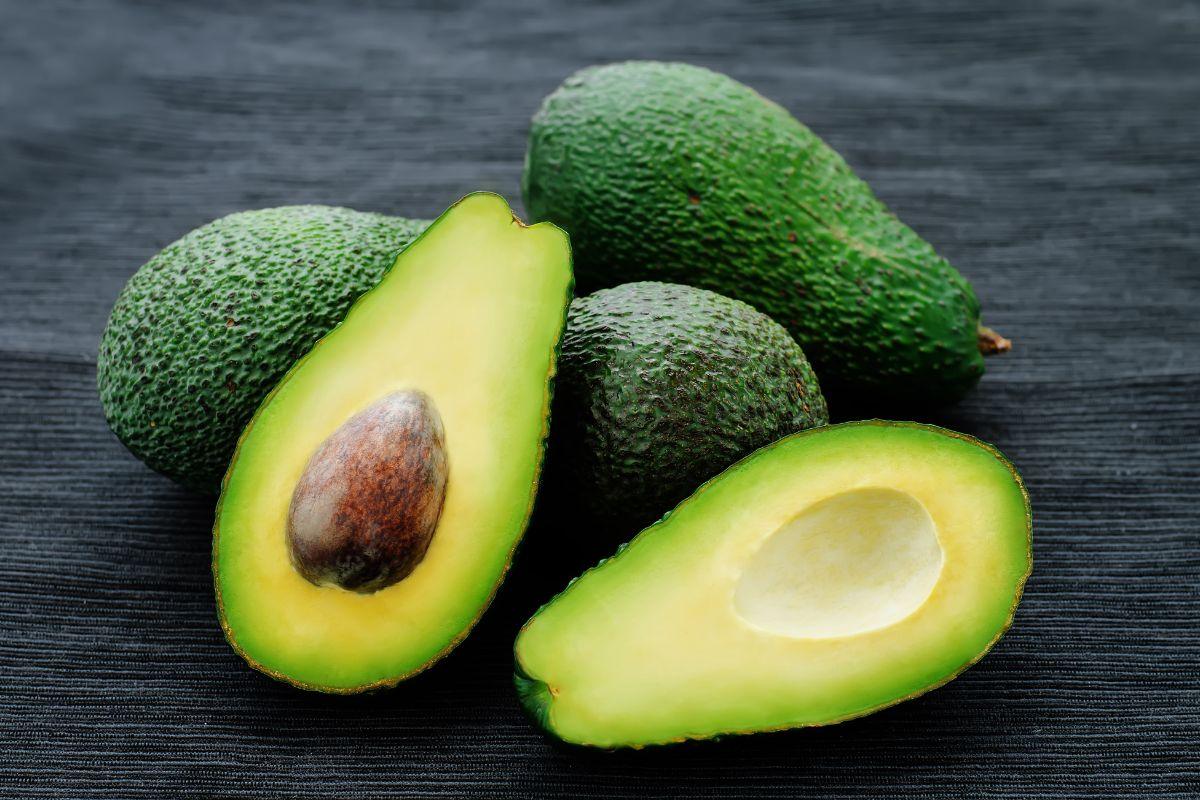
Creamy, filling, packed with healthy monounsaturated fat. Avocados have basically become a kitchen staple at this point — you’ll find them in most healthy meal plans now, and for good reason. Potassium, folate, vitamin E, a handful of B vitamins too. All doing their bit for normal body function, even if nobody notices until something’s missing.
The fat supports brain function specifically, which is easy to forget when “fat” still carries a bit of a bad reputation for some people. Fibre helps digestion and keeps you full longer, which matters more than most people think — a lot of overeating comes down to not feeling satisfied in the first place. In summer, sliced avocado works well in salads, wraps, and sandwiches. Or mashed onto wholegrain toast with tomatoes and fresh herbs; honestly, one of the better quick breakfasts going, especially if you’re short on time in the morning. It also makes a solid creamy base for homemade dressings and dips, if you want something a bit more filling than the usual vinaigrette.
Tomatoes
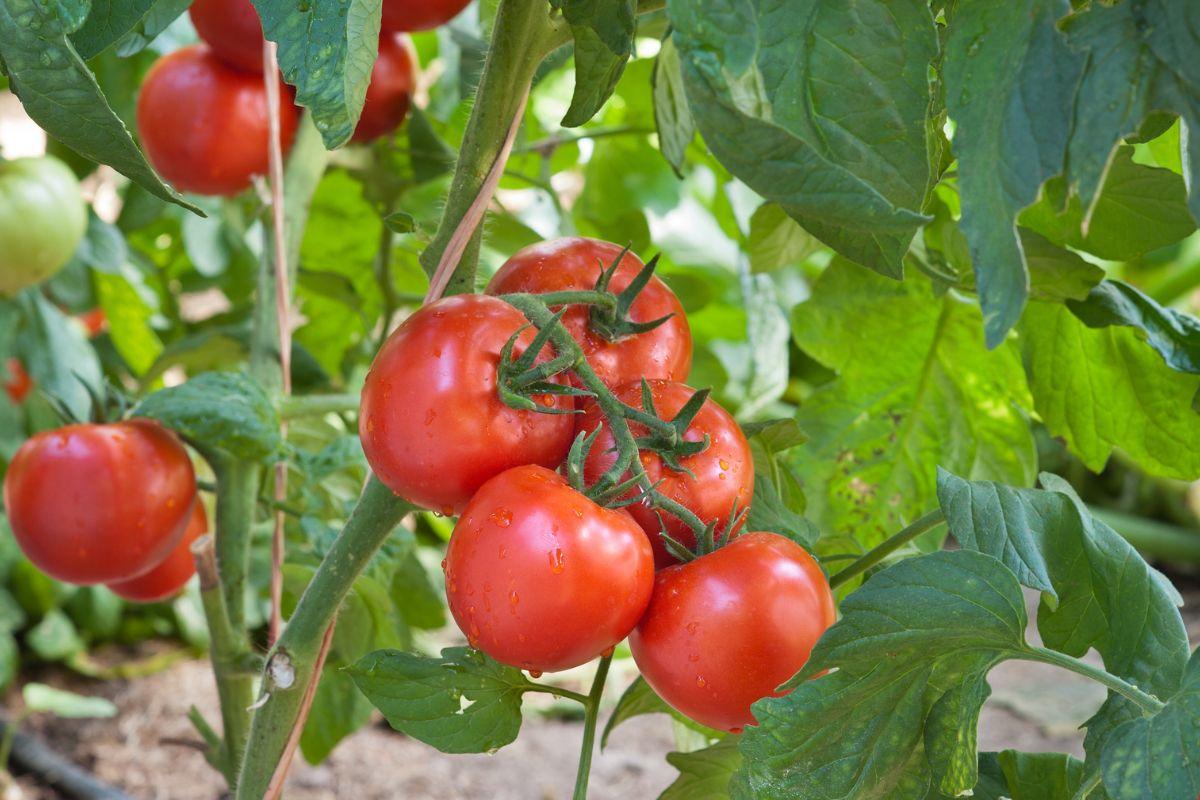
Available year-round technically, but British tomatoes hit different in summer — there’s a noticeable difference in flavour once they’ve had proper sun on them. Vitamin C, potassium, and lycopene — that last one’s a powerful antioxidant that’s been studied fairly extensively for its health benefits, particularly around heart health.
Raw or cooked, it doesn’t matter much; both work well depending on what you’re in the mood for. A fresh tomato salad with basil and mozzarella is exactly right on a warm evening, simple and doesn’t need much else. Roasted, tomatoes can lift a pasta dish, grilled fish, or whatever’s going on the barbecue that week. Cooking actually brings the natural sweetness out even more, which a lot of people don’t expect the first time they try it. Simple ingredient, but it does a lot of heavy lifting across a surprising number of recipes.
Salmon
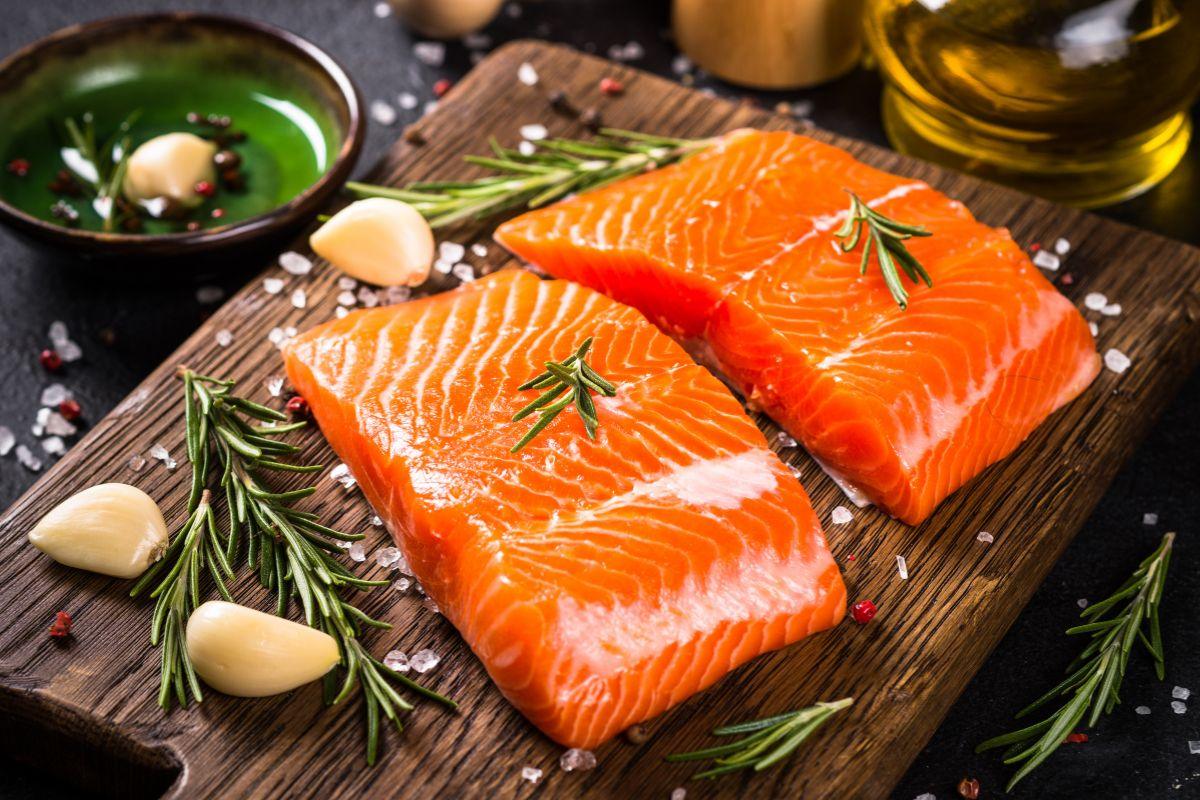
One of the best sources of omega-3 fatty acids you’ll find, full stop. Good for heart health, good for normal brain function — that part’s fairly well established at this point. Some studies also suggest that diets rich in omega-3s support better mood and overall mental wellbeing, as part of a balanced diet rather than on their own. Worth mentioning even if the research in that specific area is still developing.
Summer’s the right season for grilled salmon served with seasonal vegetables, or flaked into a salad with leafy greens, cucumber, and new potatoes — a good option when it’s too warm to want anything heavy. It also works well through wholegrain pasta, or in a wrap with avocado and fresh salsa for something that’s light but still keeps you full through the afternoon.
Also read: Ayurvedic Wellness Rituals: Timeless Practices to Elevate Modern Life
Spinach
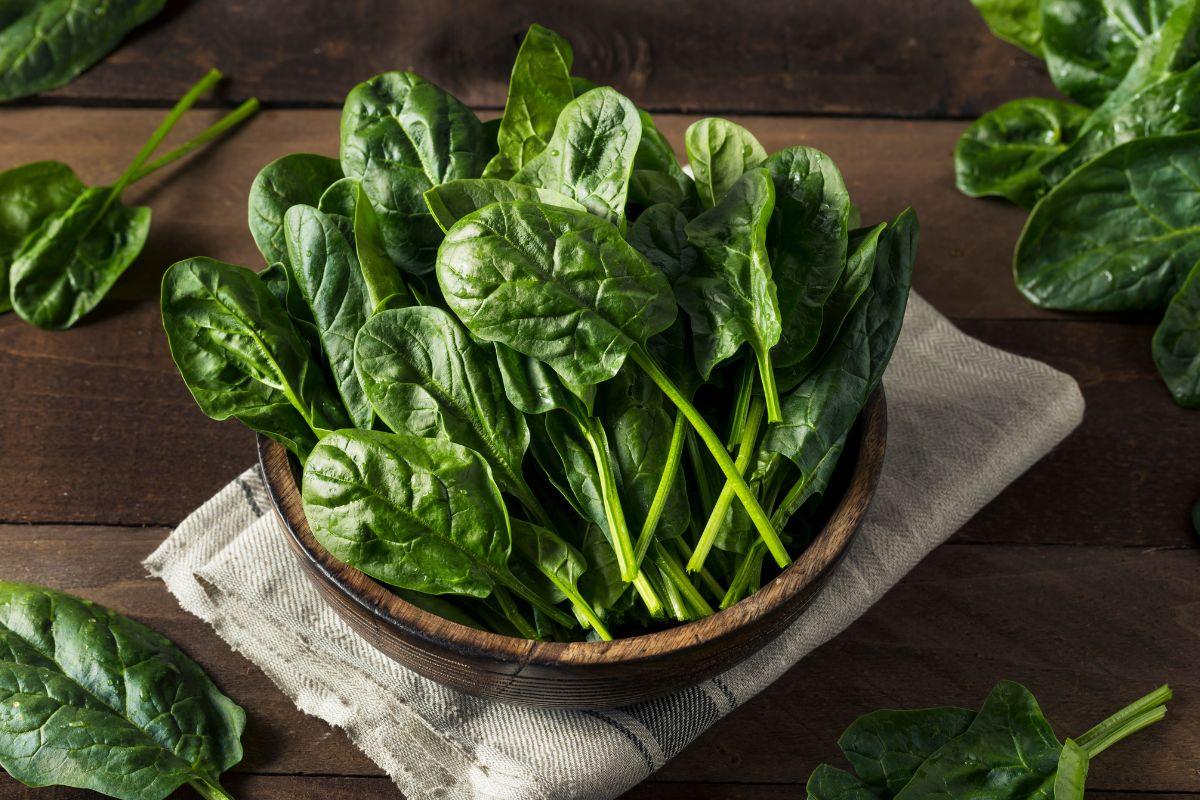
Last one, and it might be doing more work than any of the others. Spinach is about as nutrient-dense as leafy greens get — iron, folate, magnesium, vitamins A and C, plenty of antioxidants thrown in for good measure. Bones, muscles, immune system — it touches a lot of bases without asking much in return.
The flavour is mild enough that it goes into almost anything without a fight, which is exactly why it’s so easy to eat more of without really trying. Salads, smoothies, omelettes, folded into pasta right at the end of cooking so it just wilts down. It also pairs surprisingly well with strawberries and blueberries, plus nuts and soft cheese — colourful salads, minimal effort, genuinely nutrient-packed by the time you’re done.
Put all five of these together over a week and you’ve got a decent stretch of summer eating without much extra planning involved — most of them overlap in the same meals anyway.