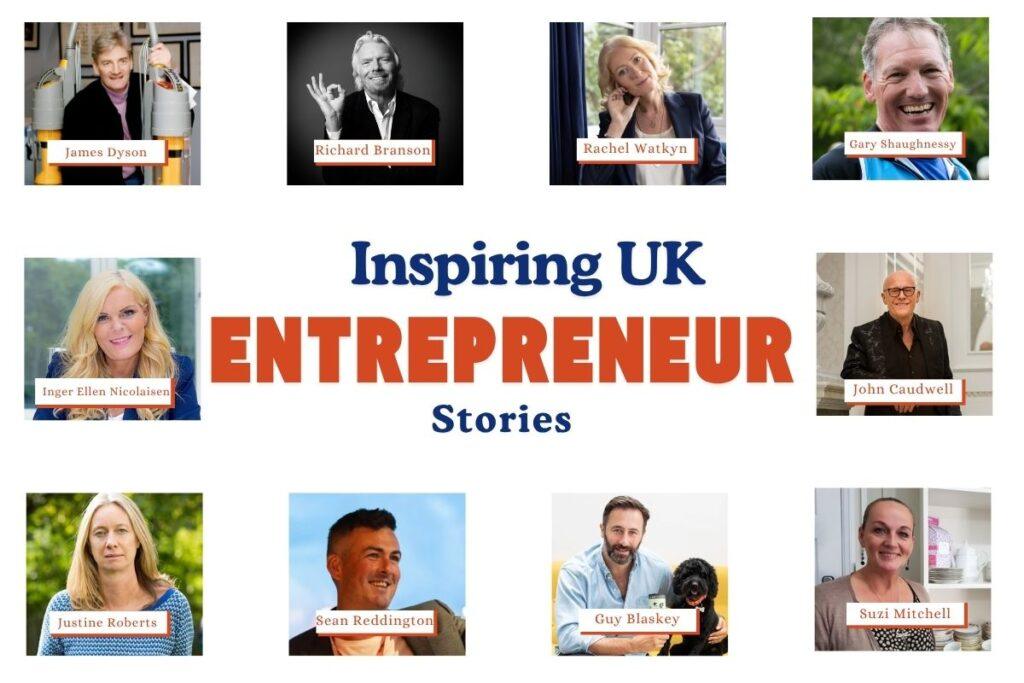
Quick Answer: These inspiring UK entrepreneur stories show that failure, illness and skint beginnings don’t have to stop you. Every founder below started with next to nothing and kept going anyway.
Let’s be honest, building a business is hard, and some days you just want to pack it in. Read these stories to boost your morale.
- James Dyson failed 5,126 times before it worked.
- Fires, floods and recessions didn’t sink these founders.
- Some grew big firms while being seriously unwell.
- The brands that last have a purpose.
1. James Dyson – 5,126 Failed Prototypes
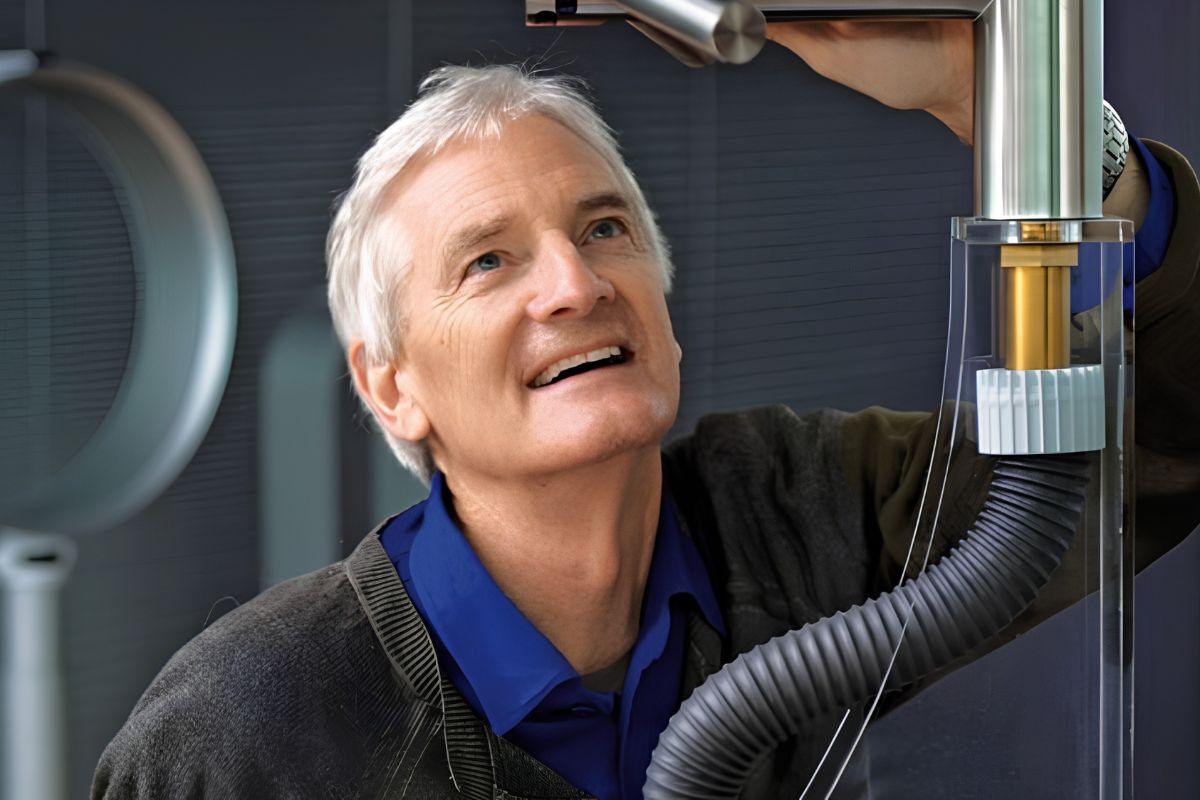
Everyone knows Dyson. But before the bagless vacuum made him a household name, he burnt through 5,126 failed prototypes and 15 years of savings. He finally cracked it on his 5,127th attempt. Today his company employs more than 14,000 people and sells in over 80 countries. Business Leader calls him one of Britain’s best success stories, and it’s easy to see why.
2. Richard Branson – Virgin Group
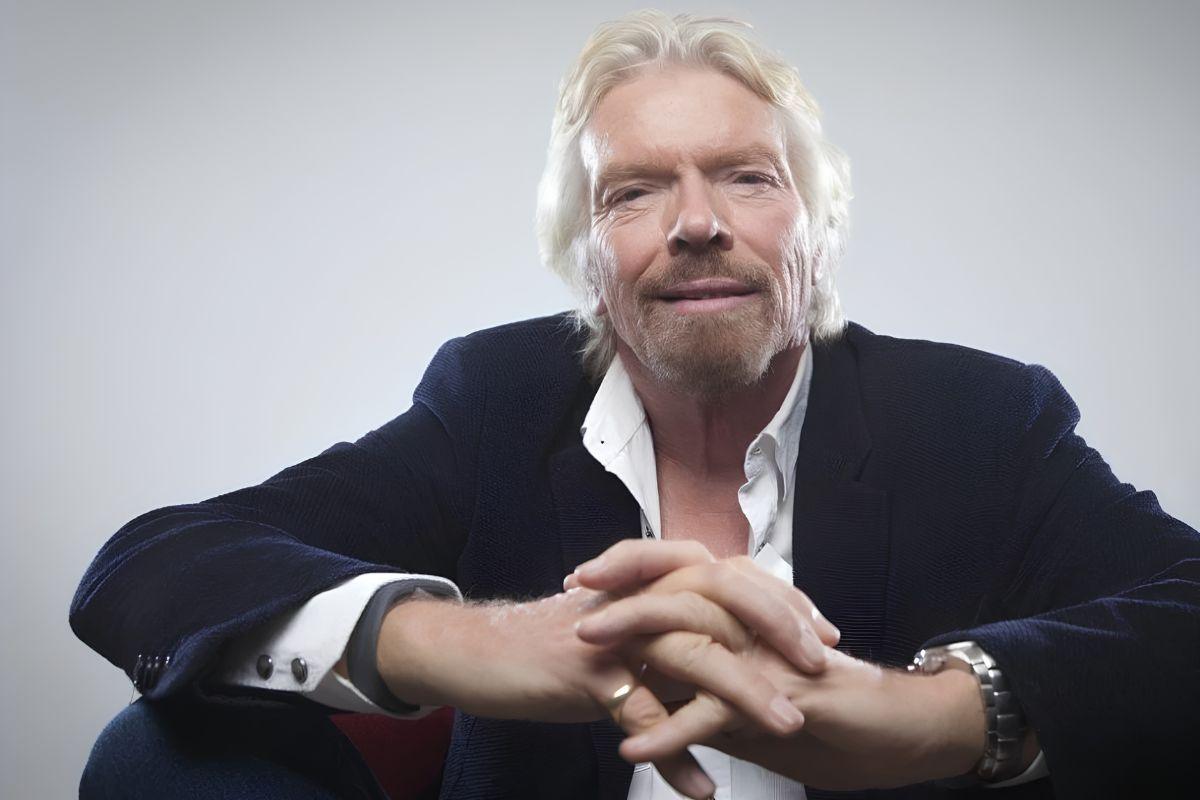
Branson was kicked out of school at 15 to self-publish a magazine. From there he built the Virgin Group, which had controls over 400 businesses — everything from a record label to space travel. His advice, shared over on KashFlow, is worth pinning up: “The brands that will thrive in coming years are the ones that have a purpose beyond profit.”
3. Rachel Watkyn – Tiny Box Company
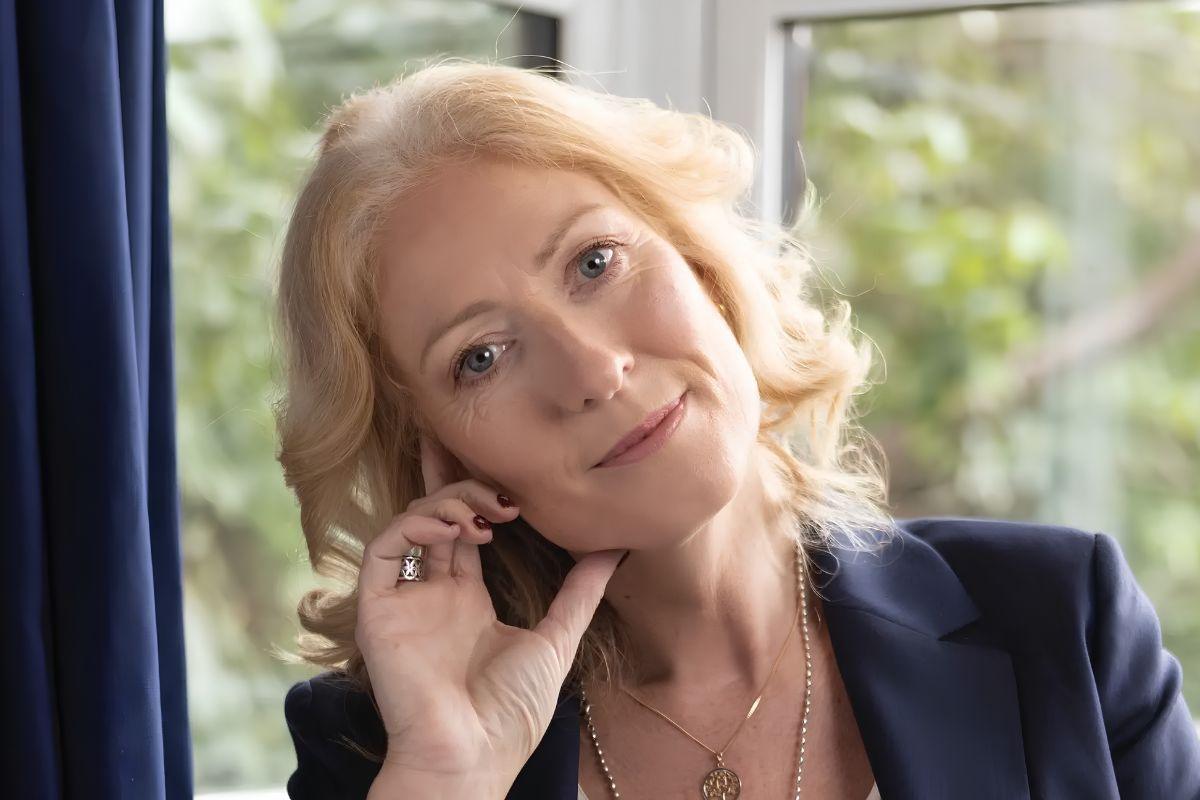
Watkyn started her ethical packaging firm right before the 2008 crash — brilliant timing, eh? Then things got worse. She was blacklisted by Google, one warehouse caught fire and another flooded. And yet, the Tiny Box Company has turned a profit since year two, with a turnover of nearly £10 million per year now.
4. Gary Shaughnessy – Living with Parkinson’s

Shaughnessy was diagnosed with Parkinson’s in 2015. Most people would slow down. He didn’t. That same year, he was made CEO of the insurer Zurich and then promoted again to run Europe, the Middle East and Africa. He now chairs Parkinson’s UK and has raised more than £750,000 by taking on cycling, running and swimming challenges.
5. Inger Ellen Nicolaisen – Nikita Hair
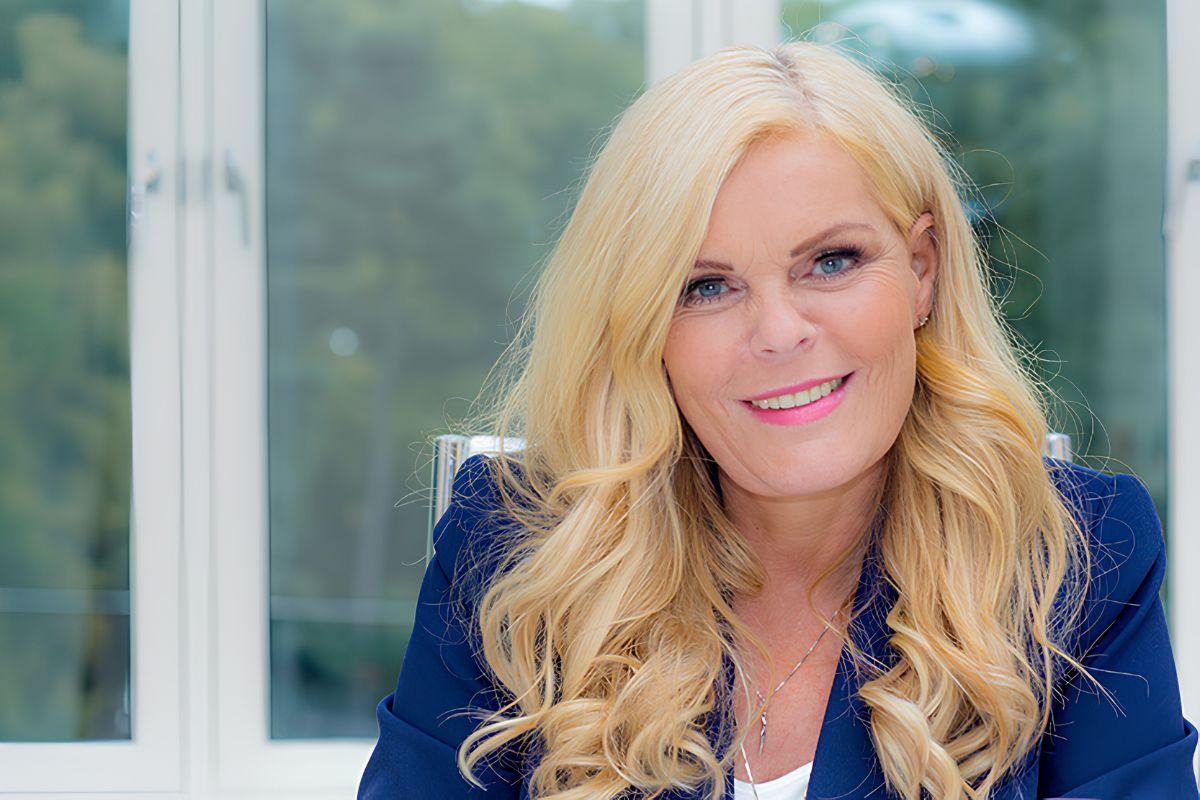
Nicolaisen grew up in a small Norwegian town with an alcoholic father, became a mum at 15, and even ended up homeless. She reckons that hardship is exactly what taught her how to survive in business. Nikita Hair is now a global chain with over 150 salons and more than 1,000 staff. That’s not bad for someone who started with nothing.
6. John Caudwell – Phones 4 U
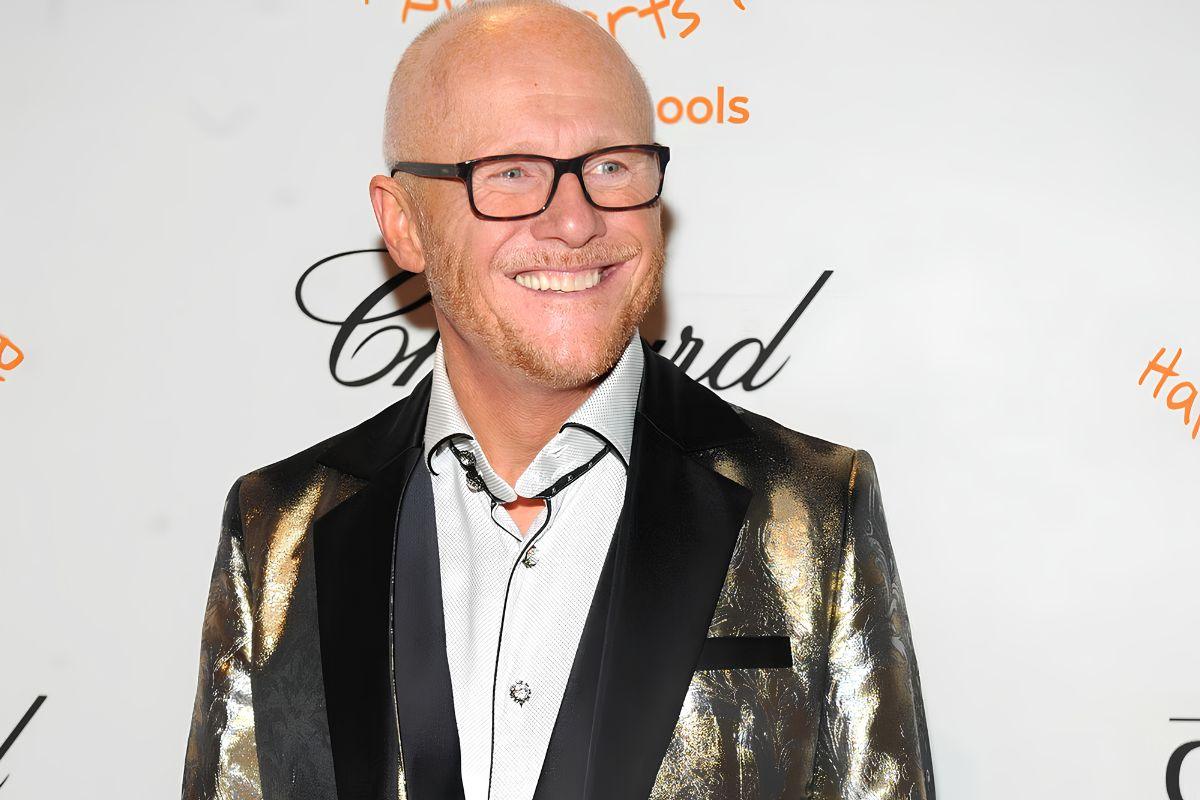
Caudwell kicked off with £25,000. His first business lost money every single month for two years — imagine sticking with that. Switching from a small dealership to a wholesale distributor turned it around, and turnover hit £13 million by 1991. His take: “Business is about being the best that you can be, and there are always glowing examples of people that we can all learn from.”
7. Justine Roberts – Mumsnet
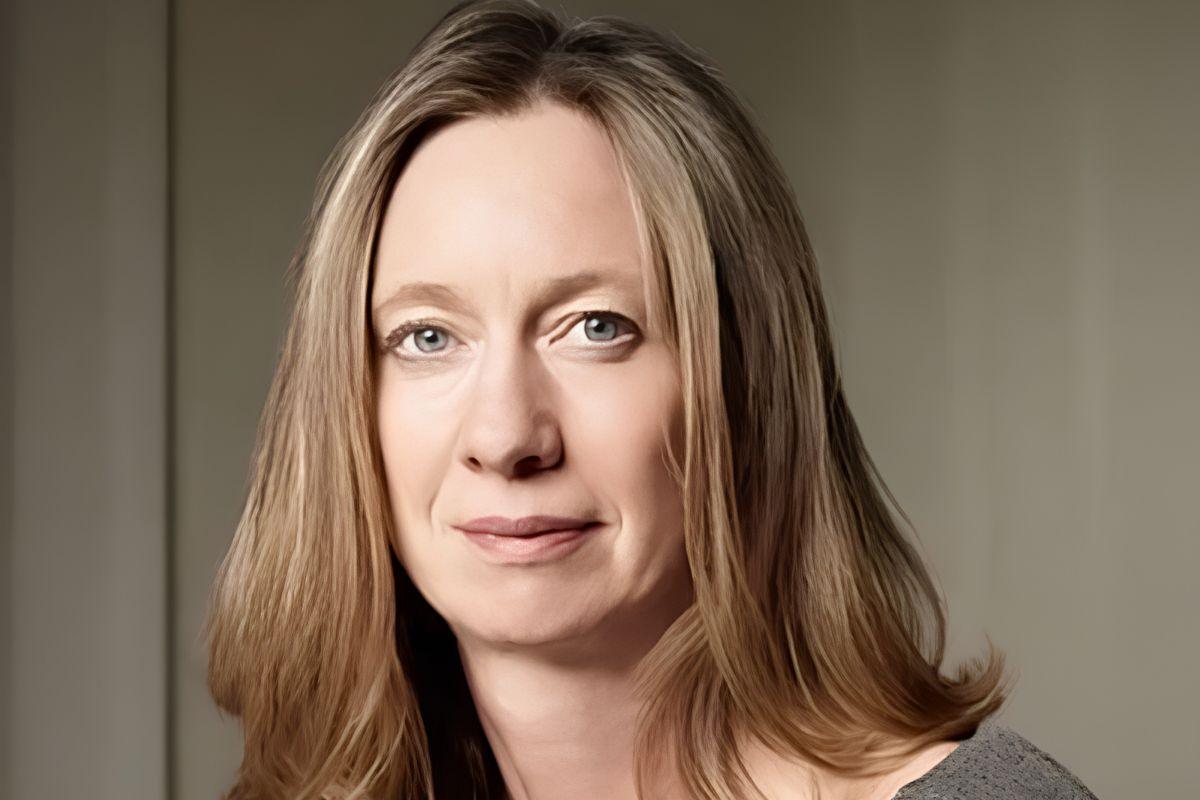
One rubbish family holiday later, Roberts had an idea: a website where parents could swap advice. Mumsnet launched four years before Facebook and six before Twitter and now has around 8 million monthly active users, pulling in up to £15.2 million a year. She still keeps it simple: “Our aim was, and continues to be, to make parents’ lives easier.”
8. Sean Reddington – THRIVE Learning
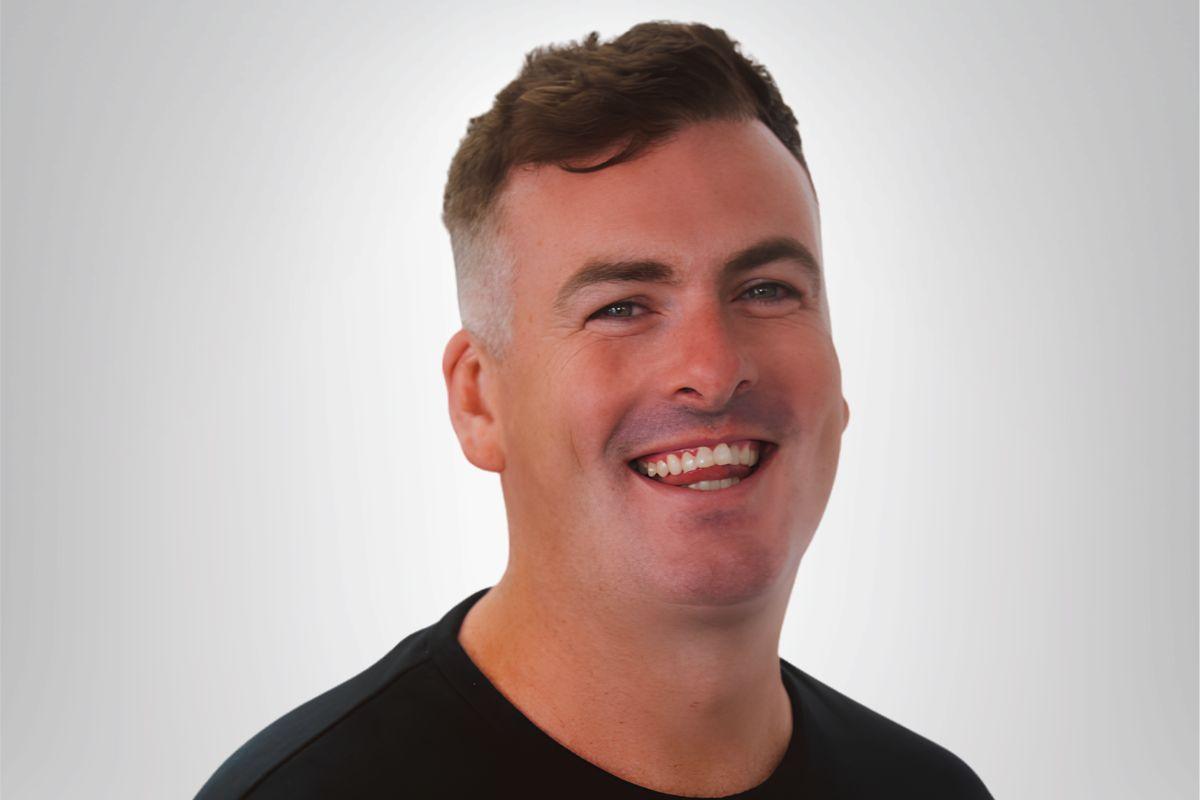
Reddington came from a family of teachers and cared about his GCSEs. When the results didn’t go as he hoped, someone mocked him over text. That stung — and it fired him up. He built his learning platform THRIVE with zero VC or private equity money, and it’s now one of the most wanted firms in its field. In the first half of 2022 alone, he knocked back 83 acquisition offers.
9. Guy Blaskey – Pooch & Mutt
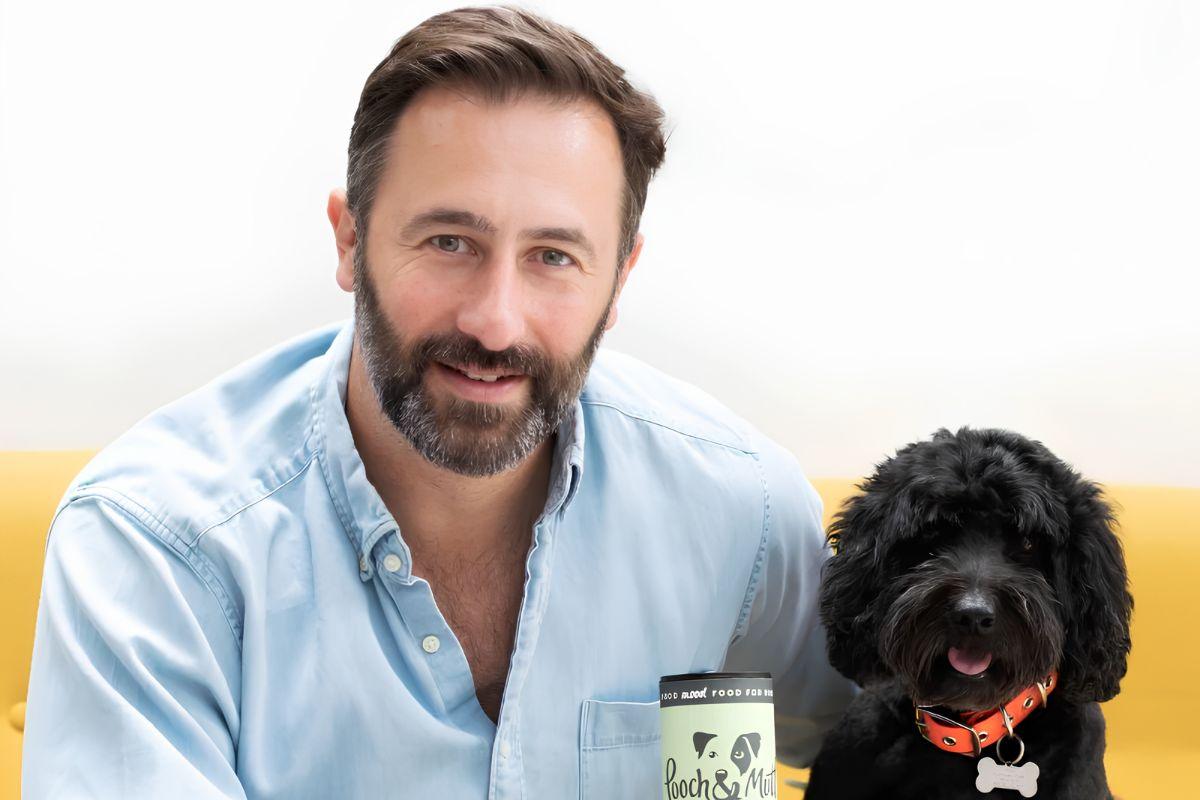
When the family dog got a hip condition, Blaskey tried a joint supplement made for horses. It worked, but it wasn’t right for dogs. So in 2008 he launched two of his own as a side project — and spotted a huge gap in the pet market. SeekaHost points out that Pooch & Mutt has grown 400% in total, with stockists including Waitrose, Sainsbury’s and Pets at Home.
10. Suzi Mitchell – Taylor-Made Dreams
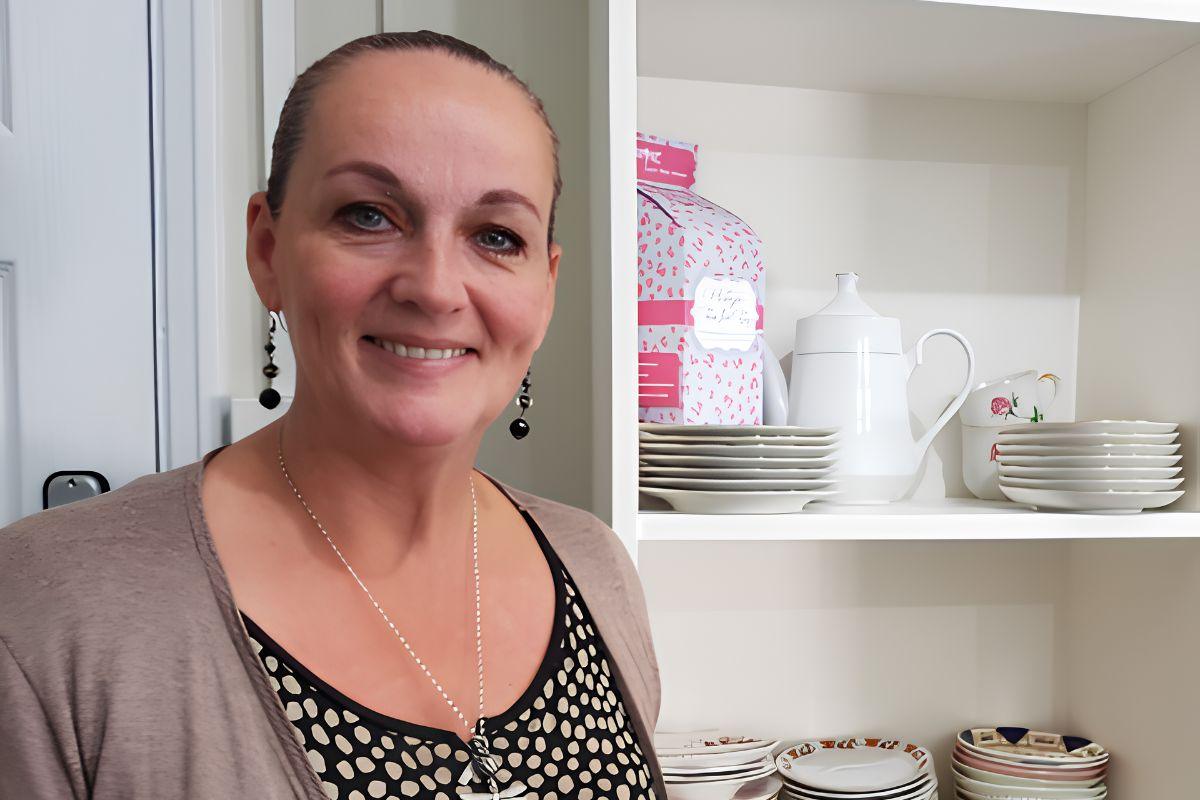
This one’s a tough read. Suzi’s son Taylor was diagnosed with Neurofibromatosis Type 11 and battled two brain tumours and multiple tumours in his spine before he passed away. Featured by Brilliant Businesses, Suzi poured her grief into a children’s charity. She says the process was healing — a way to make some sense out of the madness.
Also read: Inside the True Success Stories of Ordinary People in the UK
Things To Learn From These Business Leaders
Line these inspiring UK entrepreneur stories up and the same thing jumps out: none of them had it easy. Dyson had failure on repeat. Watkyn had fires and floods. Shaughnessy had an illness. Nicolaisen had hardships most of us can’t imagine. But they all kept moving.
So what can you actually nick from them? First, keep going — success barely ever shows up on the first attempt. Second, be willing to change tack, like Caudwell and Branson did when their first plan wobbled. Third, mean something.
A business built purely to make cash tends to fizzle out, while one that fixes a real problem tends to stick around. One founder featured by Company Address summed the whole mindset up in four words: “You must fail to prevail.”
The Bottom Line
You don’t need a fat bank balance or a perfect start—most of these people had neither. What you do need is a bit of stubbornness and a reason to care. And the best part of running your own thing? You get to decide what success looks like for you.
FAQs
Q. Who is the most inspiring UK entrepreneur?
A. It’s down to taste, but James Dyson and Richard Branson come up a lot. Both built big brands from scratch after years of knock-backs.
Q. Which UK entrepreneur failed the most before making it?
Ans: That’s James Dyson. He made 5,126 failed vacuum prototypes and only got it right on the 5,127th, after 15 years of savings.
Q. Can you start a UK business with no money?
Ans: Yes. Many founders began from a spare room or a shed. A good idea and hard graft matter far more than a big budget.
Q. What do successful UK entrepreneurs have in common?
A.Three things, mostly: they don’t quit when they fail, they adapt when plans change, and they care about more than just the money.
Q. Which UK entrepreneurs overcame illness or hardship?
A. Gary Shaughnessy built his career with Parkinson’s, Inger Ellen Nicolaisen came back from homelessness, and Suzi Mitchell turned terrible loss into a charity.
Why bother reading entrepreneur success stories?
A. They’re honest, useful and motivating. Seeing how others handled failure and hard times helps you make braver calls in your own business.
Sources & References:
- Business Leader – James Dyson has one of the best success stories in Britain.
- Seek A Host – Pooch & Mutt has grown 400% in total.
- KashFlow – The brands that will thrive in coming years are the ones that have a purpose beyond profit.
- Brilliant Businesses – Suzi poured her grief into a children’s charity.