Quick Answer: From April 2030, the state pension will rise each year by CPI inflation or 2.5%, whichever is higher. The automatic annual link to average earnings is dropped. A new safeguard keeps the pension in step with earnings over time, and the savings will pay for a National Care Service.
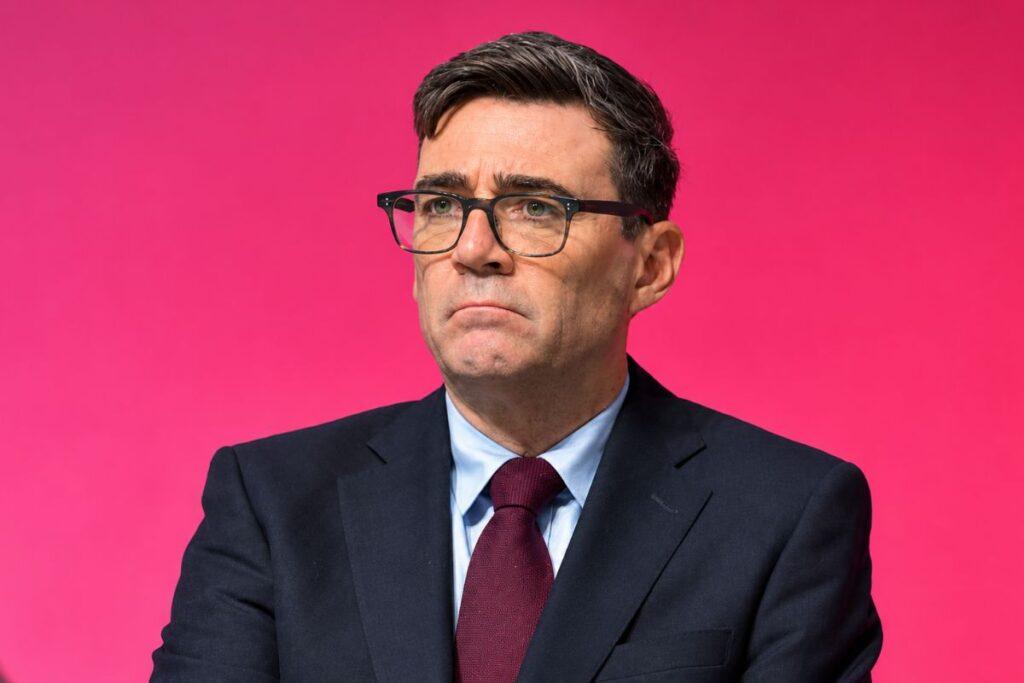
The Andy Burnham state pension triple lock shake-up is the biggest change to pension uprating in 15 years. He confirmed it in his first Labour conference speech in Liverpool. The current formula stays for the rest of this Parliament, adding over £2,000 to the state pension.
- The existing triple lock runs until April 2030.
- From then on, the “adjusted triple lock” pays the higher of CPI inflation or 2.5%.
- A new earnings link stops the pension drifting behind wages over time.
- The Treasury says the pension will not fall below a share-of-average-earnings threshold, reported as 30%.
- Ministers expect savings of £15bn a year by the end of the 2030s, rising to £50bn by 2050.
- Nobody’s pension will ever go down.
- The law passes this Parliament, but the change only lands if Labour wins the next election.
How the Triple Lock Works Today
The state pension rises every April by the highest of three figures: total earnings growth in the May to July period of the previous year, CPI inflation in September before, or 2.5%.
The coalition introduced it in 2010, and it was first applied in 2011. The aim, as the BBC notes, was simple. Pensioner incomes should not be overtaken by the cost of living or the pay of working people.
In 1979 the state pension was worth 26% of average earnings. The wage link was cut in 1980, and the value slid to 16%. The Pensions Commission puts the full new state pension at roughly 30% of median full-time pay today.
State Pension Triple Lock: What Changes From 2030?
From April 2030, the guarantee becomes a rise of at least prices or 2.5% each year. Earnings drop out of the annual calculation. In its place sits a catch-up test: if the pension falls behind wage growth since the policy started, it is lifted to keep pace.
Burnham told delegates, “The state pension will continue to rise every year at least by prices or 2.5%, and it will hold its value relative to earnings over time so that pensioners will always share in the rising prosperity of the nation.”
Independent briefing is explicit: if inflation spikes, pensioners are protected, and if wages climb, they share in it. Should the pension sit at around a third of average earnings in 2030/31, it will rise as earnings rise.
Why the “Ratchet” is Being Removed
The Resolution Foundation calls the current flaw a ratchet. High inflation pushes the pension up sharply one year. Wages catch up the next year and push it up again. Over time the pension runs ahead of earnings.
The Institute for Fiscal Studies explains the new sum as the highest of CPI, 2.5%, or whatever is needed to match earnings growth since the reform begins. Its verdict: “The removal of this permanent ratchet is to be welcomed and marks a substantial step towards a more sustainable and predictable state pension system.”
The Office for Budget Responsibility had already flagged the cost. Under the old lock, state pension spending was heading for about 9% of GDP by 2075/76, up from 5% now.
The Money: Big Savings, But Slowly
The state pension will cost about £154bn in 2026-27, making it the UK’s most expensive benefit. The triple lock has added roughly £16bn a year compared with simple earnings uprating since 2010. Pension rates have climbed 89% since 2011, against 66% for earnings.
Officials and Money Control expect the reform to cut spending by £15bn a year by the end of the 2030s and £50bn a year by 2050. IFS deputy director Jonathan Cribb is cautious about the early years and warns, “We should not expect this reform to save enough that it could fund universal social care in the next parliament.”
Its modelling also ran the numbers backwards. Had the new lock applied since 2011, spending this year would be £9bn lower, yet the pension would still have grown 6% in real terms.
What It Means for Pensioners
The pension keeps rising in real terms, just more slowly. Quilter’s research shows why the detail counts. The state pension makes up 24% of retirement income across all retirees, 57% for those aged 65 to 79 on £25,000 or less, and 54% for over-80s on below-average incomes.
ONS figures put total wage growth at 3.9% in the quarter to July, which could push the full new state pension above £13,000 next year. The personal allowance has been frozen at £12,570 since 2021.
AJ Bell’s Rachel Vahey is blunt: “Scrapping the triple lock cannot solve the national care problem on its own.” PensionBee’s Maike Currie frames the swap: “This is ultimately a trade-off: pensioners giving up the protection of the earnings element of the triple lock in return for greater protection from potentially catastrophic care costs.”
The Care Service It Funds
The National Care Service will offer free personal care in England based on need, not ability to pay, covering help with eating, bathing and using the toilet. It arrives in phases in the next Parliament, fully funded and not through borrowing. Bed and board stays are means-tested, and deferred payment agreements remain.
Around three in four adults over 65 will need care, and one in seven face costs above £100,000. Baroness Casey’s commission reports in summer 2027.
The Political Row
Unite’s Sharon Graham wanted a wealth tax instead. Kemi Badenoch says the savings will not fund a nationalised care system for another two decades. Nigel Farage accused the PM of “launching an offensive against our elderly”, while Sir Ed Davey said it “can’t be funded from the pockets of our poorest pensioners”.
The Guardian points out that the sums arrive late, and the borrowing backdrop remains tight.
Age UK’s Caroline Abrahams welcomed the care pledge but reserved judgement on the detail. Aegon’s Kate Smith summed the mood up: “We await the detail.”
FAQs
Q. When does the triple lock end?
A. The existing triple lock stays until April 2030. From then it becomes an adjusted version, so the change only affects pension rises from 2030 onwards.
Q. Will my state pension go down?
A. No. Ministers have confirmed nobody’s pension will ever fall. It rises every year by at least inflation or 2.5%, whichever is higher.
Q. Is the earnings link gone completely?
A. No. The automatic yearly earnings rise goes, but a new link keeps the pension tracking average earnings over time if it slips behind.
Q. How much will the change save?
A. The government expects £15bn a year by the end of the 2030s and £50bn by 2050. Independent forecasts put the long-run range at £5bn to £40bn.
Q. Will this pay for the whole National Care Service?
A. Not on its own. Analysts agree the savings build slowly, so extra funding measures will almost certainly be needed alongside them.
Q. Does the change definitely happen?
A. Only if Labour wins the next general election. The law will be passed this Parliament, but the new formula starts in April 2030.
Sources & References:
- BBC – Pensioner incomes should not be overtaken by the cost of living or the pay of working people.
- The Guardian – The sums arrive late, and the borrowing backdrop remains tight.
- Independent – If inflation spikes, pensioners are protected, and if wages climb, they share in it.
- Money Control – The reform will cut spending by £15bn a year by the end of the 2030s and £50bn a year by 2050.