
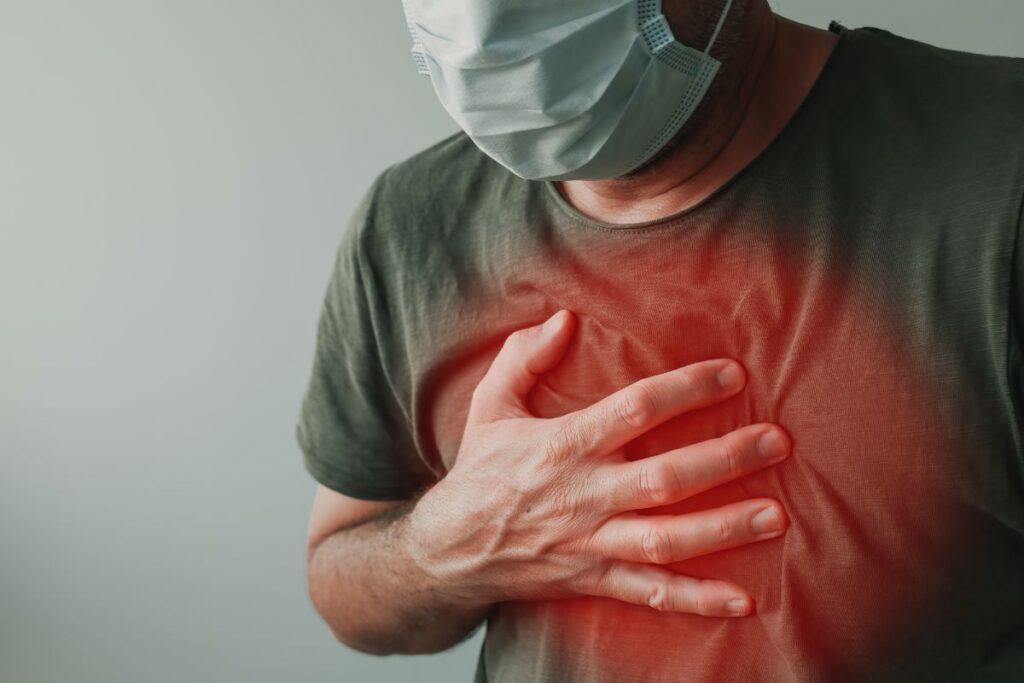
Most chest infections clear up within 7 to 10 days, though the cough and mucus can linger for up to 3 weeks — even after you start feeling better. Viral chest infections, like bronchitis, usually resolve on their own without antibiotics. Bacterial infections and pneumonia take longer, sometimes 2 to 12 weeks, depending on severity. Older adults, young children, and people with underlying health conditions may take more time to recover. If symptoms haven’t improved after three weeks, see your GP.
What Is a Chest Infection?
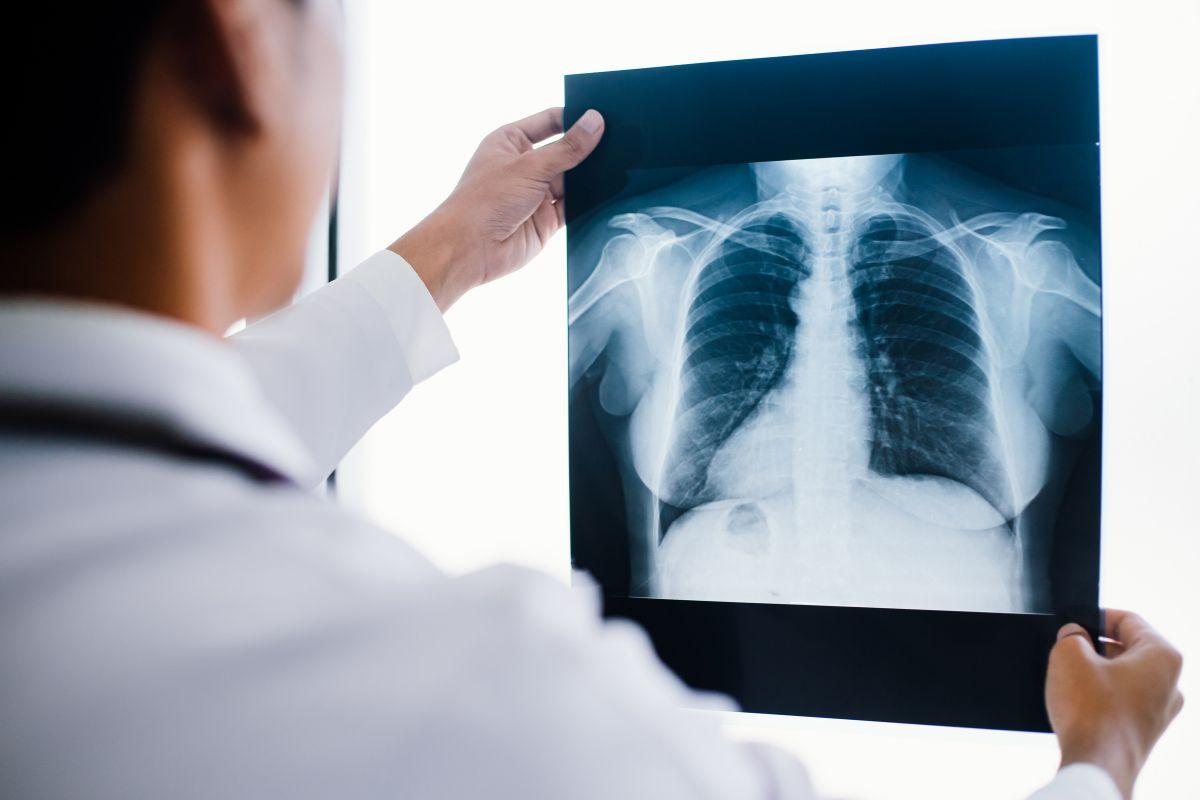
A chest infection is an infection of the lungs or large airways. It causes a chesty cough, mucus, breathlessness, and sometimes a high temperature. The two most common types are bronchitis and pneumonia. Bronchitis affects the airways leading to the lungs. Pneumonia affects the lungs themselves and is usually more serious.
- Most mild chest infections clear up on their own without antibiotics
- Recovery typically takes 7 to 10 days for initial symptoms
- Coughing and mucus production can persist for 3 weeks even after feeling better
- Pneumonia recovery takes significantly longer – between 2 and 12 weeks or more
- Antibiotics only work for bacterial infections, not viral ones
- Self-care at home is the main treatment for most chest infections
- Some people remain vulnerable and need to see their GP immediately
- Most people do not need to visit their GP for a standard chest infection
- Children under 5 and adults over 65 are at higher risk of complications
Chest Infection Types and How Long Each One Lasts

Bronchitis and pneumonia are both chest infections, but they’re quite different in how they affect you. Bronchitis irritates the airways — it’s almost always viral, so antibiotics won’t do anything. Pneumonia sits deeper in the lungs and tends to be bacterial, which is when treatment actually makes a difference.
Most people turn a corner within a week or so. The cough is the stubborn part — it can drag on for nearly three weeks after everything else has settled, which feels unfair but is completely par for the course.
Not everyone recovers at the same pace, and that’s just reality. Younger, healthier people tend to shake it off fairly quickly. For anyone older, pregnant, or already managing something else health-wise, it naturally takes more out of them and is longer to get through.
These infections spread easily — a cough, a sneeze, touching something contaminated. That’s why once one person in the house goes down, the rest usually follow.
Children and older adults are more vulnerable to chest infections. In young children, symptoms can escalate quickly. Adults over 65 are at higher risk of complications, including pneumonia. If you or someone you care for falls into these groups, do not wait more than two or three days before contacting your GP.
Also read: How Long Does It Take for Dissolvable Stitches to Dissolve?
Recovery Timeline By Infection Type
Different types of chest infections have different recovery patterns. Here’s how they compare:
| INFECTION TYPE | TYPICAL RECOVERY TIME | LINGERING SYMPTOMS | WHEN ANTIBIOTICS MAY BE USED |
|---|---|---|---|
| Viral Bronchitis | 7–10 days | Cough up to 3 weeks | Not prescribed |
| Bacterial Bronchitis | 7–14 days | Cough up to 3 weeks | Sometimes prescribed |
| Pneumonia | 2–12 weeks or longer | Fatigue, cough for up to 4 weeks | Usually prescribed |
| Severe Pneumonia (hospital) | Several weeks to months | Prolonged fatigue possible | Prescribed oxygen support |
These timelines are a guide only. Your recovery depends on your age, overall health, and how quickly you started treatment. A healthy adult with viral bronchitis may feel better within five days. Someone older with bacterial pneumonia could take several weeks before they feel fully back to normal.
Also read: How Long Does Norovirus Last in the UK: Recovery Timeline & Care
When Should You See Your GP?
You won’t usually need to see your GP for a standard chest infection. That said, some symptoms are worth acting on quickly.
Ring your doctor if you’re still running a high temperature even after taking painkillers. If you’re struggling to breathe or can’t speak without gasping, that’s when you need to call. Sharp chest pain when you breathe? That’s another one. The same goes if you’re coughing up blood or mucus with blood in it.
If things aren’t improving after three weeks, that’s long enough — go and get it checked out. Other warning signs include not drinking enough but barely needing the toilet, feeling confused, or struggling to stay alert.
If your GP isn’t available, NHS 111 can assess you over the phone and advise whether you need antibiotics or anything else you need checking.
When To Worry — Emergency Signs
Call 999 or go to A&E immediately if you notice:
- Lips or fingernails turning blue
- Breathing becomes very rapid or very shallow
- Chest pain is severe and does not ease
- You or someone else loses consciousness
- High fever above 39°C that does not respond to paracetamol
These are signs of a serious complication and need emergency medical attention straight away.
Also read: When Teeth Start Shifting in Adulthood and What Families Can Do
Managing Your Recovery At Home

Home is honestly the best place for most chest infections. Drink as much fluid as you can manage throughout the day. It breaks up the mucus sitting in your lungs and makes the coughing far less rough. Hot water with honey and lemon is worth doing too. Your throat will thank you.
Keep yourself home while the fever’s there and away from other people. Take paracetamol or ibuprofen to bring the temperature down and ease the body aches. At night, prop your head up higher than usual with an extra pillow or two. It actually makes a noticeable difference to your breathing and helps everything drain properly.
A humidifier works wonders if you’ve got one. Otherwise, just lean over a bowl of hot water and breathe in the steam. Don’t bother with cough suppressants, though. Let the cough do its job because your body uses it to clear out the infection. Suppressing it just makes things drag on longer.
Also read: Should You Drink Raspberry Leaf Tea? Benefits, Safety & What Science Says in 2026
What To Eat and Drink During a Chest Infection
Food and drink play a bigger role in recovery than most people realise.
Here is what helps most:
- Water: Aim for at least 8 glasses a day to thin the mucus
- Warm broths and soups: Easy to digest and keep you hydrated
- Honey: Has natural antibacterial properties. Add to warm water or herbal tea
- Ginger tea: Helps reduce inflammation in the airways
- Vitamin C foods: Oranges, kiwi, and peppers support your immune system
Avoid alcohol and smoking completely during recovery. Both irritate the airways and slow healing significantly.
Also read: UK Health Guide 2026: Symptoms, Recovery Times & NHS Advice
About Antibiotics
Antibiotics don’t work on viral infections, and that’s what most chest infections are. So your GP won’t prescribe them unless they think it’s pneumonia or you’re someone who could get seriously ill from it.
If you do get a course, finish it — even if you start feeling better halfway through. Stopping early gives the infection a chance to come back, sometimes worse than before.
Also read: How Long Does It Take for Plastic to Decompose? The Truth
How To Speed Up Recovery From a Chest Infection
There is no magic cure, but these steps genuinely make a difference:
- Rest properly — do not push through it
- Drink fluids every hour, not just when thirsty
- Sleep with your head elevated on two pillows
- Use steam inhalation twice a day for 10 minutes
- Take paracetamol every 4 to 6 hours for fever
- Avoid cold air and wrap up when going outside
- Do not smoke or be around smokers
- Finish any antibiotic course even if feeling better
Most importantly, do not rush back to normal activities. Returning too quickly is one of the main reasons chest infections drag on longer than they should.
FAQ’s
Q. Is a chest infection contagious?
A. Yes, though less than the flu. Avoid close contact with others whilst unwell, especially if you have a high temperature.
Q.Why does the cough last so long?
A. Your lungs produce mucus to trap and clear the infection. Airways remain irritated for weeks after the infection clears.
Q. When will I feel back to normal?
A. Most people improve within 7 to 10 days. Lingering fatigue and cough can persist for several weeks. If symptoms continue beyond three weeks, see your GP.
Q. Should I use a cough suppressant?
A. No. Coughing clears infected mucus from your lungs. Suppressing it slows recovery.
Q. Can children get chest infections?
A. Yes. Children are particularly vulnerable, especially under the age of five. Symptoms in children can worsen quickly. See your GP within one to two days if your child has a high temperature, rapid breathing, or is not eating or drinking.
Q. What colour mucus means I need antibiotics?
A. Green or dark yellow mucus can suggest a bacterial infection, but colour alone is not enough to confirm this. Only your GP can decide whether antibiotics are needed based on your full symptoms.
Q. Can a chest infection go away without antibiotics?
A. Yes. Most chest infections are viral. Viral infections clear up on their own within 7 to 10 days. Antibiotics only work against bacterial infections and will not help with a viral chest infection.
Q. How do I know if my chest infection is getting worse?
A. Signs that your infection is worsening include a temperature that keeps rising, increased difficulty breathing, chest pain, or mucus that changes from clear to yellow or green. See your GP if this happens.
Q. Is it OK to exercise with a chest infection?
A. No. Your body needs energy to fight the infection. Exercise diverts that energy away from your immune system. Rest until your temperature has been normal for at least 48 hours before returning to any physical activity.
Q. Can a chest infection turn into pneumonia?
A. Yes, it can — especially in older adults, young children, or people with underlying conditions. This is why it is important to monitor your symptoms and see a GP if things are not improving after
three days.
Q. How long am I contagious with a chest infection?
A. You are usually contagious for around 24 to 48 hours after your fever breaks. Stay home until your The temperature has been normal for at least 24 hours without medication.
Sources & References
- NHS – Chest Infection
- NHS Inform – Chest Infection (Scotland)
- Boots Health Hub – How to treat a chest infection
- Asthma + Lung UK – Recovering from pneumonia
- Pharmadoctor – How long does it take to recover from a chest infection
- Northern Care Alliance NHS – Pneumonia: What to expect next
Medical Disclaimer
This article is for informational purposes only and does not constitute medical advice. Always consult a qualified GP or healthcare professional for diagnosis and treatment. If you are experiencing a medical emergency, call 999 immediately.
Reviewed for accuracy against NHS guidelines.