
Everything you need to know about the illnesses, screenings, and health questions doing the rounds in Britain this year — written by our health team, checked against NHS and UKHSA guidance, and updated as things change.
Last updated: July 2026
There’s a specific kind of panic that hits when you’re rough. You’re not looking for a medical journal, and you’re not after fifteen forum tabs of horror stories either. You just want someone to tell you straight: how long is this going to last, what should you actually do about it, and when do you stop toughing it out and ring someone?
That’s the entire point of this hub. Below is our full coverage of UK health this year — stomach infection, chest infections, screening changes, sleep problems, dental health, and the everyday questions that keep landing GP surgeries with a fully booked diary. Every guide linked here is written by our health team and checked against NHS.uk, UKHSA, and GOV.UK sources.
Before anything else: nothing on this page, or anywhere on Stories Today, replaces an actual conversation with a GP or NHS 111. If something feels seriously wrong right now, stop reading and ring 111 — or 999 in an emergency. The rest of this guide will still be here.
1. Stomach Infection Norovirus & Food Poisoning
Stomach infections are the illness everyone thinks they understand until they’ve actually got one. Several distinct causes are hiding under “I’ve picked up an infection,” and they don’t behave the same way, spread the same way, or clear up on the same timeline.
Norovirus — the Winter (and now summer) Vomiting infection
Norovirus is the most common stomach infection in the UK, and it’s brutal but brief. Most people are through the worst within 2 to 3 days, with the sharpest symptoms hitting in the first 24 to 48 hours after a 12-to-48-hour incubation period.
The part almost nobody tells you: even once you feel completely fine, your body keeps shedding live virus in your stool for up to two weeks. That’s the real reason norovirus tears through households, schools, and hospital wards long after the first person thinks they’ve recovered.
It’s also worth knowing that alcohol hand gel does nothing against norovirus essentially — it’s a non-enveloped virus that alcohol can’t break down. Soap and warm water, properly and often, is the only thing that reliably works.
Also read: How Long Does Norovirus Last in the UK? Recovery Guide
Food Poisoning — a Wider, Messier Category

Food poisoning covers Salmonella, Campylobacter, E. coli, Listeria, and various toxins, each with its own incubation period. Symptoms typically show up 2 to 6 hours after eating contaminated food, though it can take days depending on the pathogen involved.
The good news: most people bounce back within 1 to 2 days, and nearly everyone’s sorted within a week — though nastier bacterial cases can drag on up to two weeks. Campylobacter, often from undercooked chicken, is the leading cause of food poisoning in the UK. There’s no shortcut to recovery — your body just needs 24 to 48 hours to flush things out — so the focus is entirely on sipping fluids and avoiding dehydration rather than reaching for a cure that doesn’t exist.
Also read: How Long Does Food Poisoning Last in the UK? Hour-by-Hour Recovery Guide
Quick Comparison
| Feature | Norovirus | Food Poisoning (general) |
|---|---|---|
| Typical duration | 2–3 days | 1–2 days, up to 2 weeks for bacterial cases |
| Onset | 12–48 hrs after exposure | 2–6 hrs after eating (sometimes longer) |
| Still contagious after symptoms stop? | Yes — up to 2 weeks of viral shedding | Varies by pathogen |
| Main risk | Dehydration | Dehydration |
| Treatment | Fluids and rest — no medicine needed | Fluids and rest; antibiotics only for specific bacterial cases |
Call NHS 111 if you can’t keep fluids down, you’ve had diarrhoea for more than 7 days or vomiting for more than 2, or you’re showing signs of dehydration. Call 999 for blood or a green tinge in vomit, a stiff neck, a sudden severe headache, confusion, or trouble breathing.
Also read: Hack Squat vs Leg Press: Which Is Actually Better?
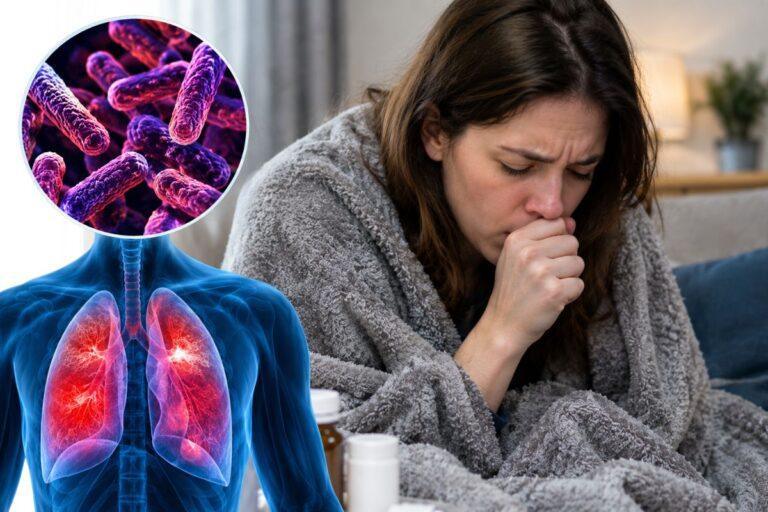
2. Chest Infections: Recovery Timelines
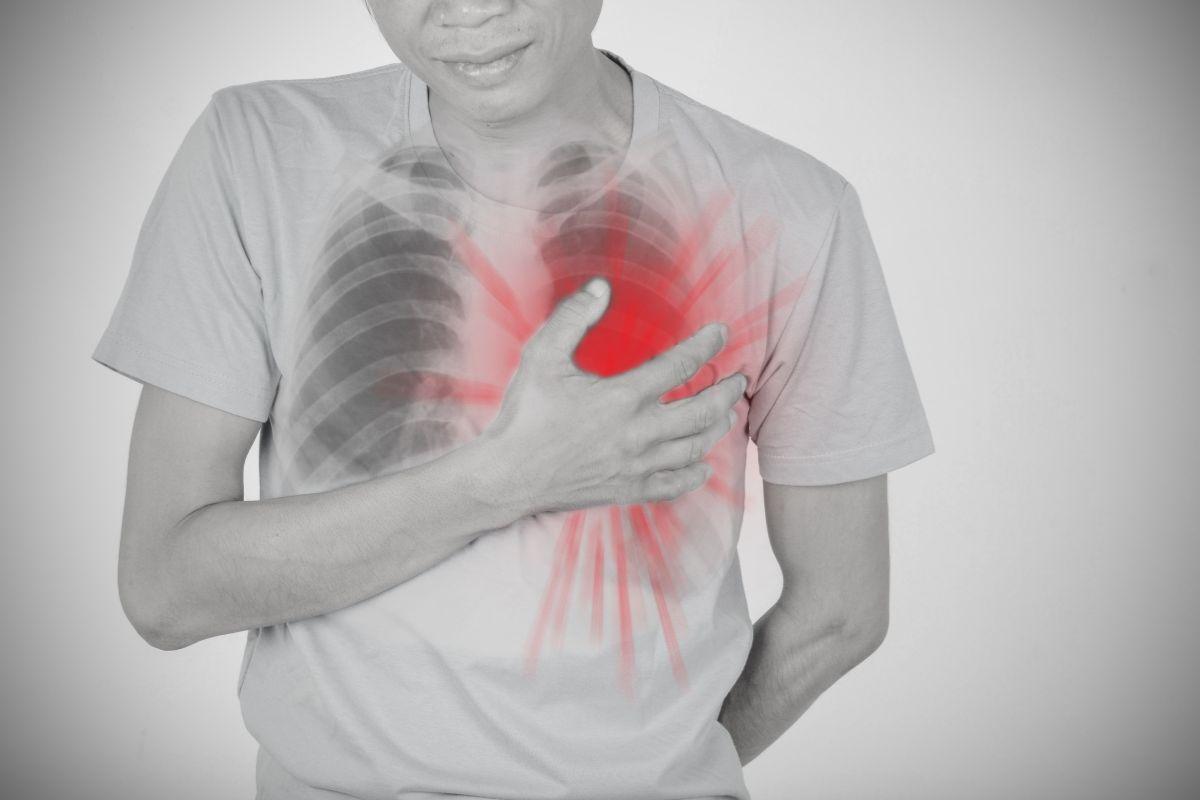
Chest infections sit in your airways or lungs rather than your gut, and they take considerably longer to shift than a stomach infection.
Most chest infections improve within 7 to 10 days, but the cough itself can linger for up to 3 weeks even after everything else has settled. That’s normal — your airways stay irritated long after the infection has actually cleared.
- Bronchitis — inflammation of the airways, almost always viral, which means antibiotics won’t help. Recovery: 7–14 days, cough up to 3 weeks.
- Pneumonia — an infection deeper in the lung tissue, often bacterial and treatable with antibiotics. Recovery: 2 to 12 weeks or longer, depending on severity.
Children under 5 and adults over 65 carry a meaningfully higher risk of a chest infection turning serious, so don’t wait out the full three-week window if you’re in either group — two to three days without improvement is the point to get checked.
Also read: How Long Does a Chest Infection Last? UK Recovery Guide
3. Acid Reflux: When “Just Heartburn” Isn’t
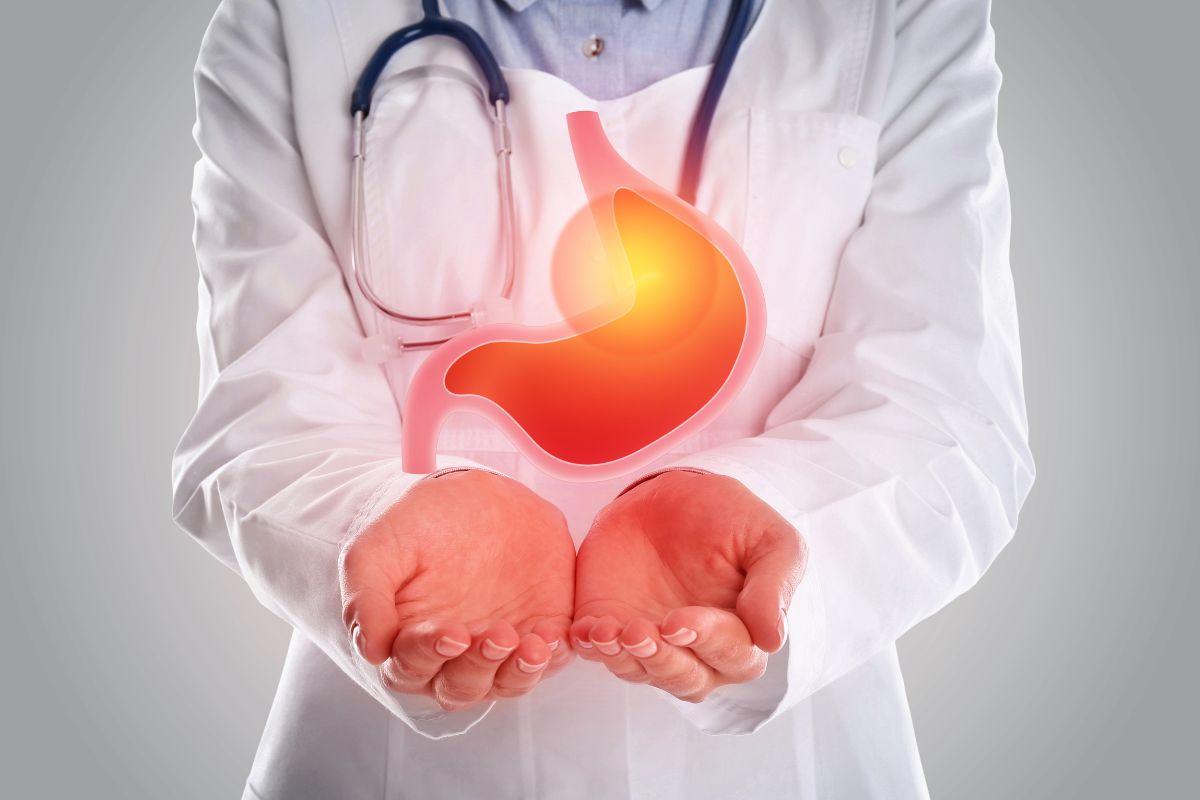
Heartburn a few times a month after a heavy meal is nothing to worry about. Heartburn three or four nights a week, brushed off with a Gaviscon and a shrug, is a different story — and it’s one of the most under-treated everyday conditions in the UK.
Left unmanaged, ongoing acid reflux can progress through several stages: irritation and inflammation of the oesophagus (oesophagitis), narrowing from scar tissue (strictures), and in some cases a precancerous change called Barrett’s Oesophagus — which affects around 1 in 10 people with long-term reflux and carries a substantially higher cancer risk. The UK sees around 9,200 new oesophageal cancer cases a year, with a five-year survival rate of only around 17%, largely because people wait too long before getting symptoms checked.
There’s also a well-known “ALARM” checklist doctors use for red flags that mean you shouldn’t wait: Anaemia, Loss of weight, Anorexia (loss of appetite), Refractory symptoms (your usual remedy stops working), Malena (black, tar-like stools), and difficulty Swallowing. The NHS’s own guidance is direct: if symptoms have lasted three weeks, it’s time for a GP appointment, not more guessing.
Also read: The Dangers of Ignoring Acid Reflux and Why You Shouldn’t Delay Treatment
4. Screening & Early Detection in 2026

Screening is the quiet, unglamorous part of NHS care that saves the most lives — and it’s also the appointment people are most likely to put off.
Under the current NHS breast screening programme, women get their first invitation for a mammogram between their 50th and 53rd birthday, then every three years up to their 71st birthday. NHS England’s most recent figures show nearly 20,000 cancers detected through screening in a single year in England, up almost 16% on the year before, with an estimated 1,300 lives saved annually across the UK as a result.
Lisa Faulkner sharing her “all clear” update after her own breast cancer diagnosis put this back into public conversation this year. It’s a useful nudge — attendance still sits below the NHS’s 80% target, with roughly 7 in 10 eligible women currently taking up their invitation. There’s also a live debate in the medical community about whether the screening age should come down, following the recent move to lower routine bowel cancer screening from 60 to 50.
Also read: Lisa Faulkner Cancer Update: ‘All Clear’ Health Update After Breast Cancer Diagnosis
Screening only happens every three years and can’t catch everything in between — being “breast aware” and reporting changes to your GP straight away matters just as much as attending your invitation.
5. Sleep, Heat & Everyday Health
Not every health story is a diagnosis. Some of it is your body reacting to a British summer it was never built to handle.
2026 has brought genuinely disruptive heat, and warmer nights interfere with your body’s ability to drop its core temperature — the actual biological trigger for falling and staying asleep. When the bedroom doesn’t cool down, sleep quality drops even if you get the same number of hours in bed.
Also read: Why the UK’s Hot Summer 2026 Is Disrupting Sleep
6. Rising & Seasonal Illnesses to Know About
A few conditions have been trending upward across the UK through 2026.
Why Lyme Disease Cases Are Rising Across the UK: UKHSA data shows a notable jump in Lyme disease cases, driven by growing tick populations and weather patterns extending the season when ticks are active. If you’re spending time in long grass or woodland this year, this guide covers what to check for after a walk and how quickly to act after a bite.
7. Dental & Everyday Health Questions

Not every search is an emergency — some of it is the ordinary questions that come up in daily life.
When Teeth Start Shifting in Adulthood and What Families Can Do Teeth move at any age, not just childhood — gum changes, tooth loss, grinding, and retainer neglect are among the most common causes. This guide covers NHS orthodontic eligibility (via the IOTN scoring system), what to expect at assessment, and private options for adults who don’t qualify for funded treatment.
Why More Londoners Are Going Private for Urology Consultations — NHS waiting times and what’s driving the shift towards private care.
Does a Posture Corrector Actually Work? — the “Great British Slump,” and what the evidence actually supports.
Should You Drink Raspberry Leaf Tea? — benefits, safety, and what the science says in 2026.
How Long Do Dissolvable Stitches Take to Dissolve? — typical timelines depending on the type and location.
How Long Does a Migraine Last? Duration, Stages & Relief Tips – typical timelines depending on the type
8. When Should You Actually Call NHS 111 or 999?
A handful of situations come up repeatedly across everything in this hub, so it’s worth having them in one place.
Call NHS 111 if:
- Symptoms aren’t improving within the timeframe you’d expect for that specific illness
- You’re showing signs of dehydration — dry mouth, dark urine, dizziness on standing, not urinating for 8+ hours
- A baby under 12 months is repeatedly vomiting and won’t take fluids
- Someone over 65, pregnant, or immunosuppressed is getting worse rather than holding steady
- You’ve had heartburn or reflux symptoms for three weeks or more without improvement
Call 999 or go to A&E if:
- There’s blood in vomit, stool, or a cough — or vomit looks green or like coffee grounds
- Someone loses consciousness or becomes unresponsive
- Breathing becomes severely difficult, or lips/fingernails turn blue
- Severe, sudden chest pain, a stiff neck, or a sudden splitting headache
If you’ve got something contagious — norovirus, a bad chest infection, anything that spreads easily — ring ahead rather than turning up in person. It protects everyone else in that waiting room, some of whom really can’t afford to catch what you’ve got.
FAQ’s
Q. Is This Hub Written by Medical Professionals?
A. Our health content is written by our in-house health team — including our lead health writer, Avery Collins, a University of Birmingham Health and Life Sciences graduate — and checked against NHS.uk, UKHSA, and NHS Inform (Scotland) guidance before publication. It’s for information only and doesn’t replace a conversation with a GP, pharmacist, or NHS 111.
Q. How often is this page updated?
A. We revisit this hub whenever NHS guidance changes, a new seasonal illness starts trending, or one of the linked articles gets a significant update.
Q. Where do the Facts on this Page Come From?
A. Every figure above traces back to the NHS.UK, UKHSA, GOV.UK data, NHS England statistics, or Cancer Research UK — the full list is below, and each linked article has its own detailed sources section too.
Sources & References
- NHS.uk – Health A–Z
- NHS – Food Poisoning
- NHS – Heartburn and Acid Reflux (GORD)
- UK Health Security Agency (UKHSA)
- NHS England – News & Statistics
- Cancer Research UK – Breast Screening
- Cancer Research UK – Oesophageal Cancer Statistics
- Guts UK – Barrett’s Oesophagus
Medical Disclaimer: This page and every article linked from it are for informational purposes only and do not replace professional medical advice. Always consult your GP or call NHS 111 if you have health concerns, and call 999 in an emergency.